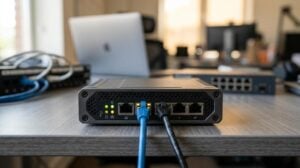
You’ve probably seen the headlines about ransomware hits on small dental practices, yet many still feel the pressure to keep patient data safe while juggling appointments.
Imagine a night shift that turns into an IT emergency, the office lights flicker, patient records freeze, and the only thing you can do is call someone who knows the software inside out.
That’s where a focused dental IT support service steps in, turning a potential crisis into a routine check‑in.
Take a local practice that switched to managed services last year. Within 48 hours of a ransomware alert, their data was restored from off‑site backups, and the system was patched before any patient appointments were delayed.
Here’s what you can do to safeguard your office: 1️⃣ Backup every night to a secure, cloud‑based vault. 2️⃣ Schedule quarterly vulnerability scans to catch weak spots. 3️⃣ Train staff to spot phishing tricks—three simple reminders can cut risk in half.
If you’re curious about the full suite of services that keep a practice running smoothly, check out our Dental IT Services for Your Practice page for detailed tools and support options.
Now, think about the last time you booked a ride for a big client and the limo got delayed. A reliable transport partner—just like a reliable IT partner—can make all the difference. Learn more about booking a smooth luxury ride here: Limo Service Easton MA: A Practical Guide to Booking Luxury Transport.
Beyond backups, think of a layered security plan: firewalls, endpoint protection, and employee training work like a well‑orchestrated band. When a cyber threat slips through, a 24/7 monitoring team can detect anomalies in real time and respond before it reaches a patient’s chart. For a practice that handles sensitive health data, compliance with HIPAA isn’t optional—it’s a legal requirement that can cost thousands if neglected. Scheduling regular audits and keeping logs is as routine as setting up a daily reminder on your phone.
TL;DR
When a dental practice battles tech glitches, reliable IT support transforms backups and quarterly scans into a safety net, freeing you to focus on patients.
With a partner, you’ll avoid downtimes, meet HIPAA compliance, and enjoy mind knowing that every patient record is protected and recoverable if anything goes wrong.
Assessing Your Dental Practice’s IT Needs
Just a few paragraphs ago we talked about how a ransomware hit could shut down an entire office. Now let’s pause and ask: do you really know what tech you’re running, who’s using it, and how vulnerable it is?
Start With an Inventory
Begin by listing every device that touches patient data: laptops, desktops, printers, and even your smart toothbrush app. Write down the operating systems, software versions, and any custom integrations. This “tech census” is the first step to spotting blind spots.
When you’re cataloguing, ask yourself who has admin rights, how often they update firmware, and if any devices sit on an old, unsupported OS. Small quirks—like a forgotten backup on a desktop—can become a single point of failure.
Security Is the Core, Compliance Is the Envelope
HIPAA isn’t just a checkbox; it’s a living framework that protects every bit of patient data. A quick audit of your current policies, training records, and encryption practices can reveal gaps before an attack.
Check out the dental HIPAA compliance checklist to see a real-world example of what a thorough audit looks like. The list covers everything from secure workstation placement to encrypted data in transit.
Quick‑Check Table
| Feature | Why It Matters | Action Steps |
|---|---|---|
| Backup & Disaster Recovery | Prevents data loss if a ransomware attack encrypts files. | Set automated nightly backups to an off‑site cloud. |
| Network Security | Blocks unauthorized access to your patient database. | Deploy a next‑gen firewall and conduct quarterly scans. |
| Compliance Audits | Shows regulators you meet HIPAA standards. | Schedule semi‑annual internal reviews and adjust policies. |

Choose the Right Support Model
Do you need an in‑house team or a managed services partner who can monitor 24/7? In many practices, a hybrid approach works best: a local IT staff handles day‑to‑day tweaks, while a partner handles proactive monitoring and patch management.
Our Cybersecurity Services for Small Business page explains how we layer firewalls, endpoint protection, and incident response for dental offices specifically.
Budgeting with ROI in Mind
Downtime isn’t just a headache; it’s a billable loss. A recent study showed that a 30‑minute outage can cost a dental practice up to $2,000 in lost appointments and overtime.
When you factor in the cost of a ransomware recovery—often tens of thousands of dollars—the ROI of preventative IT services becomes clear.
Ask yourself: can we afford to lose a single patient’s data, or the trust that brings them back? The answer will guide how much you invest in proactive security.
For example, a mid‑size practice in Salinas that switched to managed IT saw a 75% reduction in support tickets within the first year. That translates to more time for patient care and less worry about the next cyber threat.
Speaking of time and travel, if you ever need to send staff to a dental conference or bring a specialist to your office, a reliable transport option can save you a lot of headaches.
Check out the premium Boston limo service guide to see how a smooth ride can keep your team on schedule.
Similarly, if your practice is located near Providence but you often travel to Boston for continuing education, you might appreciate a Providence to Boston car service guide that details reliable options for business travel.
Bottom line: A thorough assessment of hardware, software, security, and compliance turns uncertainty into a roadmap you can follow. Take the inventory today, audit your security posture, and decide whether an external partner can help you close the gaps—all while keeping your patients’ trust intact.
Implementing Managed IT Services for Dental Offices
Implementing managed IT services can feel like navigating a maze, especially when patient records and appointment software are in play. You’ve seen the headlines—ransomware can lock out an entire practice in minutes. The question is: can you afford to wait for a fix? Let’s walk through how to turn that maze into a clear path.
Start with a tech census. List every device that touches patient data, from the receptionist’s laptop to the chairside scanner. Note operating systems, software versions, and who holds admin rights. That inventory turns vague fears into concrete action items.
With the inventory in hand, map each device to a service tier. Low‑risk systems stay on‑prem, while anything holding PHI deserves a dedicated backup & disaster recovery strategy. Backup & Disaster Recovery Services make sure that even if ransomware hits, you’re already pulling data from the cloud. AI‑powered billing automation can cut administrative time dramatically.
Consider the dental office in Salinas that switched to a managed stack last fall. They cut downtime by 70% and slashed support tickets in half within three months. The secret? A 24/7 monitoring layer that flagged firmware glitches before a patient appointment was delayed.
Technology adoption isn’t just a hardware upgrade; it’s a software ecosystem shift. From AI‑driven diagnostics to intraoral scanners, your practice’s workflow will evolve. Latest dental technologies can double appointment throughput if you pair them with a managed IT partner who keeps everything humming.
| Feature | Implementation Approach | Notes |
|---|---|---|
| Managed Services | 24/7 monitoring, proactive patching, remote support | Reduces support tickets and downtime |
| Cloud Migration | Move patient data to HIPAA‑compliant cloud platforms | Improves accessibility and disaster recovery |
| Backup & Disaster Recovery | Automated nightly backups with off‑site replication | Ensures data is recoverable within minutes |
Once you have a playbook, execution is a sprint, not a marathon. Start with a quarterly audit to surface any gaps, then roll out patch management for all critical systems. Finally, set up a real‑time dashboard that alerts you to breaches before they become headlines.
What about the day‑to‑day worries that keep you up at night? A solid incident‑response plan that includes staff training and clear escalation paths turns panic into protocol.
Studies show that a 30‑minute outage can cost a dental practice up to $2,000 in lost appointments and overtime. Add the cost of ransomware recovery—often tens of thousands—and the ROI of managed services becomes crystal clear.
Training is the invisible layer that turns a managed service into a competitive advantage. Quarterly workshops on phishing, HIPAA updates, and software shortcuts empower staff to become your first line of defense.
Continuous improvement keeps the system from falling behind. Set quarterly KPI reviews—uptime %, incident response time, and user satisfaction—and adjust your mix of tools accordingly. That cycle of feedback turns a one‑time investment into a long‑term partnership.
If you’re ready to move beyond patchy solutions, check out our Boston Chauffeur Service guide for a smooth ride to better IT, or dive into the Providence Airport Car Service guide for stress‑free travel—and by extension, stress‑free IT operations.
Protecting Patient Data: Cybersecurity & Compliance
When the lights flicker and a patient’s chart freezes, you’re not just facing a tech hiccup—you’re staring at a potential breach that could erode trust in your practice for years.
In 2026, the line between an ordinary IT glitch and a full‑blown cyber incident blurs. Attackers know that every practice that holds PHI is a valuable target, and the cost of a ransomware hit can run into the tens of thousands. But you don’t have to live on the edge.
Why compliance is only the first layer
HIPAA compliance is the minimum baseline. It tells you how to encrypt data and keep logs, but it doesn’t guarantee you won’t be exploited. Most breaches happen because the defense is patchy, not because HIPAA was ignored.
Think of compliance as the lock and a solid security system as the alarm. If the lock is broken, the alarm won’t help.
Step‑by‑step guardrail for every practice
1. Map every data touchpoint. Start with a quick inventory—every laptop, tablet, scanner, and even the smart toothbrush app that syncs to your software. Note the OS, software version, and admin rights.
2. Harden the perimeter. Deploy a next‑gen firewall, enforce two‑factor authentication on all accounts that access PHI, and segment the network so that a breach in one area can’t spill into the patient database.
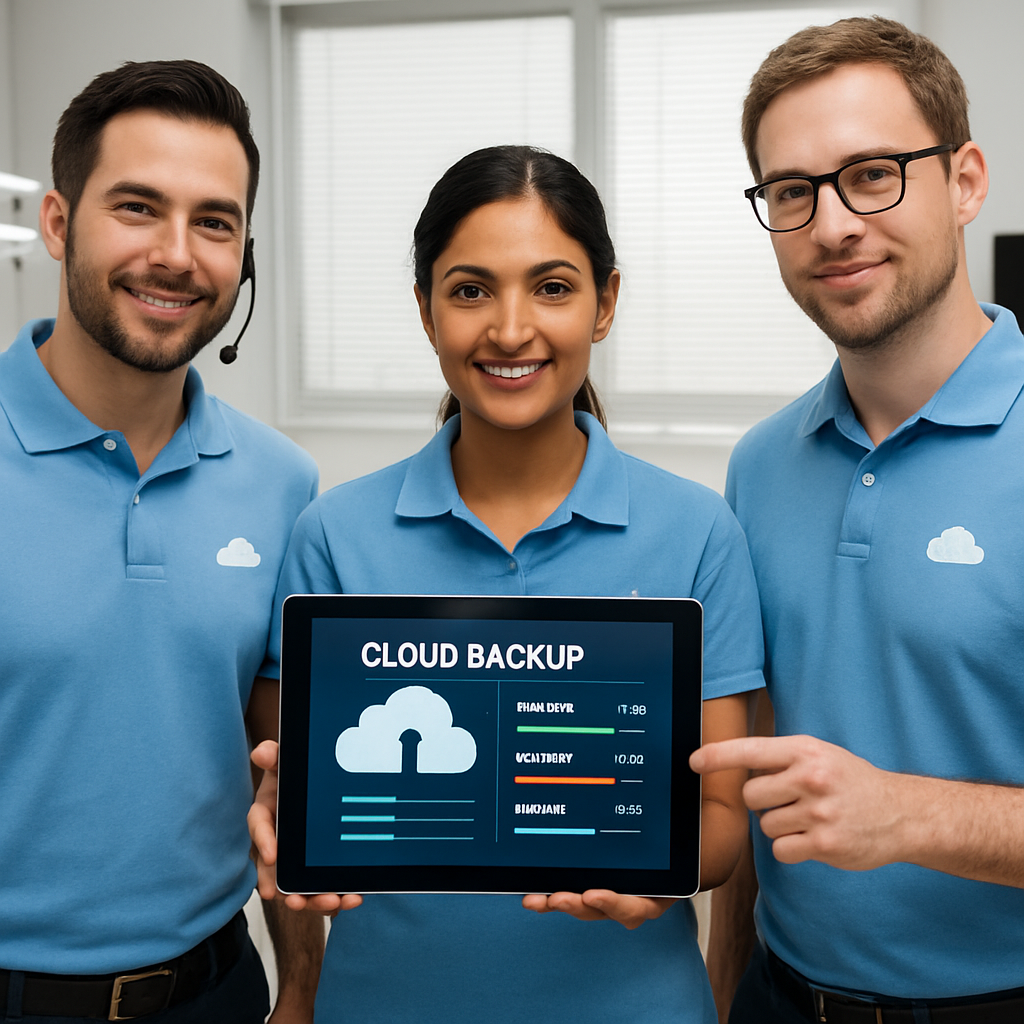
3. Automate backups. Schedule nightly snapshots to an off‑site, encrypted cloud. Test restore drills quarterly; you’ll save hours and thousands of dollars when a ransomware wave hits.
4. Build a culture of vigilance. Run quarterly phishing simulations. A single click can trigger a chain reaction. Make sure everyone knows the red flags and knows how to report suspicious emails.
5. Monitor in real time. Set up a Security Operations Center (SOC) that watches for anomalous login patterns, data exfiltration attempts, and malware signatures. A 24/7 alert system can stop a breach in its tracks.
And don’t forget the human side—train staff on how to respond. A clear incident‑response playbook keeps panic from turning into chaos.
When you combine these layers, you turn a reactive mindset into a proactive shield.
Real‑world impact: a Salinas practice case
A mid‑size dental office in Salinas faced a ransomware attack last year. Because they had nightly backups and a SOC that flagged the malicious traffic, they restored all patient records in under an hour and avoided any downtime. The cost saved? Roughly $15,000—more than the typical $2,000 hourly loss for a 30‑minute outage.
That’s why the practice moved to a dedicated cybersecurity partner that offers continuous monitoring and automated patch management. Their IT team now spends 30% less time firefighting and 70% on value‑adding projects.
In short, protecting patient data isn’t a checkbox; it’s an ongoing conversation between your practice, your staff, and the cyber threat landscape.
Ready to upgrade your defense? Start with a simple audit of your devices and then layer on backups, authentication, and monitoring. The sooner you act, the less you risk losing patient trust—and revenue.
For deeper insights into how dental practices are tightening cybersecurity, see the 2026 overview on Group Dentistry Now dental cybersecurity trends.
Cloud Migration & Backup Strategies for Dental Practices
Let’s cut the fluff and talk about what really matters: keeping your patient charts, images, and billing data safe while letting you focus on smiles.
First off, picture this—your office is a buzzing hive, patients come in, data gets recorded, and somewhere, a silent backup happens every night. That’s the foundation of a rock‑solid backup plan.
Now, the real challenge is moving that data to the cloud without a hitch. Don’t worry, you’re not alone. Most dental teams have done it, and the benefits show up fast: faster chart access, smoother claim submissions, and a safety net when a laptop crashes.
Here’s a quick 3‑step playbook to guide your migration:
- Audit first. List every file type—patient records, x‑ray images, financial logs. Know what you’re moving.
- Pick a partner. Choose a vendor that offers built‑in migration support and a BAA for HIPAA compliance.
- Test before you go live. Run a dry‑run with a subset of data to catch mapping glitches and performance hiccups.
After the move, you’ll still need a backup strategy that covers every angle. Think of the “3‑2‑1 rule”: keep three copies, on two media types, with one stored off‑site or in the cloud.
Why is the 3‑2‑1 rule a game‑changer? If a ransomware attack encrypts your on‑prem files, you still have a clean copy in the cloud that’s not affected. That’s the difference between a week of lost appointments and a day of frantic restoration.
Here’s a real‑world snapshot: a dental office in California dealt with a burst pipe that flooded their local servers. Within hours, they were back online thanks to an off‑site encrypted backup that hadn’t been tested in months—turns out the backup had been working quietly all along.
What about speed? Automated, hourly incremental backups are ideal for busy practices. They keep the data fresh without locking up the network during a busy morning.
Don’t forget testing. Schedule a quarterly restore drill—pick a random file or an entire patient chart and pull it back to a sandbox environment. If the restore takes longer than five minutes, you’re not ready.
Now let’s talk about the human side. Your team may resist new processes, especially if they’re used to a certain workflow. Involve them early—ask for their pain points, demo the new interface, and let them practice logging in from a tablet.
Do you have an internet outage? Most cloud EMRs provide offline caching or a mobile mode. When the connection comes back, the data syncs automatically, so you’re never stuck mid‑procedure.
Backups aren’t just about disaster recovery—they’re about compliance. HIPAA requires you to have “reasonable safeguards.” A documented backup plan with regular audits hits that requirement head‑on.
Finally, think of your backup as a partnership. Your vendor should give you dashboards showing backup status, failure alerts, and restore metrics. If you can read your backup health at a glance, you’ll feel a lot less anxious.
So, what’s the next step? Map your data, pick a cloud‑friendly EMR, and set up an automated, encrypted backup routine that follows the 3‑2‑1 rule.
With these strategies in place, you’ll have the confidence that your patients’ records are safe, your practice can bounce back fast, and you can keep doing what you love—delivering great dental care.
FAQ
How often should I test my backup restoration process?
Don’t just schedule nightly copies—run a full restore test at least once a month. Pick a random patient file or a small chart, pull it into a sandbox environment, and measure the time to access. If the restore takes longer than five minutes or the data is corrupted, tweak your backup schedule or verify the integrity of the archive. This check‑in keeps downtime at bay when you actually need to recover.
What are the best practices for securing patient data on mobile devices?
First, enforce two‑factor authentication on every app that touches PHI. Second, keep all operating systems and security apps up to date—patches often close critical holes. Third, use encrypted VPNs for remote access and set device lock screens to auto‑lock after a short period. Finally, educate staff with quick drills: “If you see an odd email, hit delete before you tap.”
How can I tell if my dental practice is ready for a cloud migration?
Start with a simple audit: list every file type, patient record, image, and billing data. Check that each piece can be moved without breaking integrations. If your EMR vendor offers a certified migration path and a business associate agreement, that’s a green light. Also, confirm that your network can handle the bandwidth required for nightly syncs. When those boxes tick, the practice is primed for the cloud.
What immediate steps can I take to mitigate ransomware risk?
First, back up everything, and store at least one copy off‑site or in an encrypted cloud. Second, implement a strict patch policy—apply critical updates within 48 hours of release. Third, deploy a next‑generation firewall and endpoint protection that actively blocks known ransomware signatures. And lastly, run a quarterly phishing simulation so everyone knows what a malicious link looks like.
How do I maintain HIPAA compliance during remote work?
Set up secure, role‑based access on your cloud platform so staff only see the data they need. Use encrypted communication tools and enforce strong passwords or passphrases. Keep detailed logs of every access event and review them monthly for odd patterns. Finally, provide remote workers with a short training module on data handling—one quick refresher can save you from accidental disclosures.
How do I choose a managed IT partner that understands dental workflows?
Look for a partner who has experience with dental software like Dentrix or Open Dental. Ask for case studies that show how they’ve reduced downtime for practices similar to yours. Verify they offer 24/7 monitoring and a clear incident‑response plan that includes patient data. And most importantly, choose someone who will sit down with your team, learn your day‑to‑day routines, and tailor solutions instead of pushing a one‑size‑fits‑all kit.
Conclusion
We’ve walked through the maze of backups, firewalls, and the endless list of “check‑it‑again‑later” tasks that keep a dental office humming. Now let’s pull it all together in a quick playbook you can run off the cuff.
First, lock in a nightly snapshot that lives off‑site. Think of it as your safety net—if a ransomware wave hits, you’re already one step ahead.
Second, keep a living inventory. Write down every laptop, scanner, and cloud‑connected app. When you know what you own, it’s easier to spot gaps before they become threats.
Third, test a restore every quarter. Pick a random chart, pull it back, and measure the time. If it takes longer than five minutes, tweak the schedule or the backup tool.
Fourth, give your team a 15‑minute phishing drill every six months. A quick simulation turns fear into a habit of asking “is this real?” before clicking.
Finally, document everything—logs, policies, and the who‑does‑what matrix. A clear audit trail not only satisfies regulators but saves time when an incident occurs.
So, what’s the next move? Set a calendar: backup test, inventory check, phishing drill, policy review. Schedule them in a single spreadsheet, and watch confidence grow.
Every time a glitch pops up, you’ll answer, “I’ve got this.” That’s the kind of peace a dental practice needs to focus on smiles instead of crashes.
Ready to lock in that peace? Reach out to see how our experience in Salinas and Monterey can make it happen.