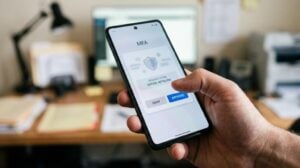
Healthcare workers now use mobile devices for everything from checking patient charts to sharing scans and test results. And while this shift speeds up treatment and communication, it also opens the door to major security risks that many people do not see coming. Hospitals face an eye-opening reality where even a single unsecured phone could expose thousands of medical records since healthcare data breaches cost the industry over $6 billion each year. The real surprise is that these risks are not just an IT problem and instead, strong mobile device management is now one of the most important defenses for keeping patient care safe and private.
Table of Contents: Mobile Device Management in Healthcare
- What Is Mobile Device Management In Healthcare?
- Why Mobile Device Management Matters In The Healthcare Sector
- How Mobile Device Management Works: Key Features And Functions
- Understanding The Impact Of Mobile Device Management On Patient Care
- Mobile Device Management Challenges And Solutions In Healthcare
Quick Summary
| Takeaway | Explanation |
|---|---|
| Implement robust device security strategies | Prioritize multi-factor authentication and data encryption to protect patient information effectively. |
| Ensure regulatory compliance with HIPAA | Establish comprehensive compliance strategies that align with HIPAA to safeguard sensitive healthcare data. |
| Enhance operational efficiency through MDM | Utilize mobile device management to standardize technologies, facilitating faster access to patient records and communication. |
| Invest in user training and engagement | Provide continuous education on security practices to foster a culture of compliance and effective device use. |
| Prioritize streamlined communication channels | Leverage secure messaging and real-time updates for better collaboration among healthcare teams to improve patient care. |
What is Mobile Device Management in Healthcare?
Mobile Device Management (MDM) represents a comprehensive technological strategy for healthcare organizations to securely control, monitor, and protect mobile devices used by medical professionals. As digital transformation accelerates across medical environments, MDM has become a critical infrastructure component for maintaining patient data privacy, operational efficiency, and regulatory compliance.
Core Components of Healthcare Mobile Device Management
Healthcare MDM is not simply about managing technological assets but creating a robust ecosystem of security and functionality.
Below is a table summarizing the core components and capabilities of Healthcare Mobile Device Management (MDM) as discussed in the article.
| Component | Purpose |
|---|---|
| Centralized Device Enrollment | Streamlines adding, configuring, and onboarding devices across the healthcare organization |
| Remote Device Monitoring & Management | Allows IT to oversee devices, monitor health, and respond quickly to issues from a distance |
| Secure Application Distribution | Delivers critical apps securely, ensuring only approved applications are installed |
| Data Encryption & Protection Protocols | Safeguards sensitive patient and organizational data through robust encryption |
| Compliance Tracking & Reporting | Monitors adherence to regulations and generates reports to demonstrate compliance |
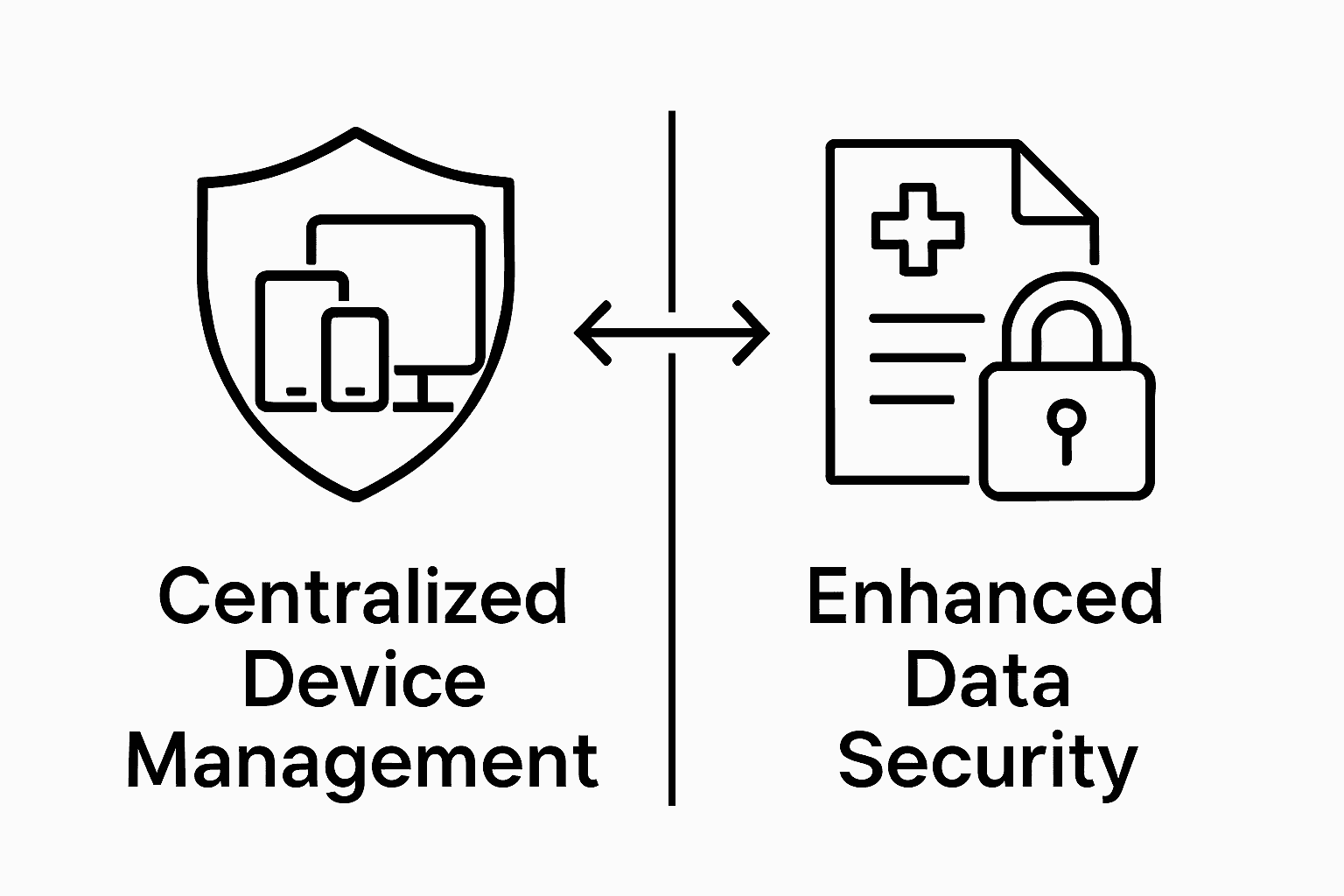 The primary objective is to enable healthcare professionals to leverage mobile technologies while minimizing potential risks.
Key technological capabilities include:
- Centralized device enrollment and configuration
- Remote device monitoring and management
- Secure application distribution
- Data encryption and protection protocols
- Compliance tracking and reporting mechanisms
Regulatory and Security Imperatives
Healthcare mobile device management goes beyond conventional IT management. According to research from the National Center for Biotechnology Information, healthcare MDM must address complex regulatory requirements like HIPAA, ensuring that every mobile interaction maintains stringent patient data protection standards.
The unique challenge in healthcare MDM lies in balancing technological accessibility with rigorous security protocols. Medical professionals require immediate access to patient information, diagnostic tools, and communication platforms, while simultaneously preventing potential data breaches or unauthorized system access.
Critical Security Focus Areas:
- Protecting patient health information (PHI)
- Preventing unauthorized device access
- Ensuring secure communication channels
- Maintaining audit trails for regulatory compliance
- Implementing rapid remote device management capabilities
By integrating advanced mobile device management strategies, healthcare organizations can transform mobile technologies from potential security risks into powerful tools for improved patient care and operational efficiency.
Why Mobile Device Management Matters in the Healthcare Sector
In an era of accelerating digital transformation, mobile device management has become a strategic necessity for healthcare organizations. The complexity of modern medical environments demands sophisticated technological solutions that balance operational efficiency with stringent security requirements.
Patient Data Protection and Privacy
Healthcare organizations handle extraordinarily sensitive information, making mobile device management a critical defense mechanism against potential data breaches. Medical records contain comprehensive personal details that represent high-value targets for cybercriminals. According to research published in the Journal of the American Medical Informatics Association, healthcare data breaches can result in significant financial and reputational damage.
Key Privacy Vulnerabilities Include:
- Unsecured mobile devices in clinical settings
- Potential unauthorized access to patient records
- Risks associated with personal devices used for professional communication
- Inadequate encryption protocols
- Lack of centralized device management strategies
Operational Efficiency and Workflow Optimization
Mobile device management transcends security concerns by enabling healthcare professionals to work more effectively. By providing standardized, secure technological platforms, MDM solutions allow medical staff to access critical information rapidly, collaborate seamlessly, and maintain comprehensive documentation without compromising patient confidentiality.
Strategic Workflow Enhancements:
- Streamlined communication between medical teams
- Real-time access to patient records and diagnostic information
- Simplified device onboarding and configuration processes
- Consistent security protocols across multiple devices and platforms
- Reduced administrative overhead for IT management
By implementing robust mobile device management strategies, healthcare organizations can transform technological challenges into opportunities for improved patient care, enhanced operational efficiency, and superior data protection.
How Mobile Device Management Works: Key Features and Functions
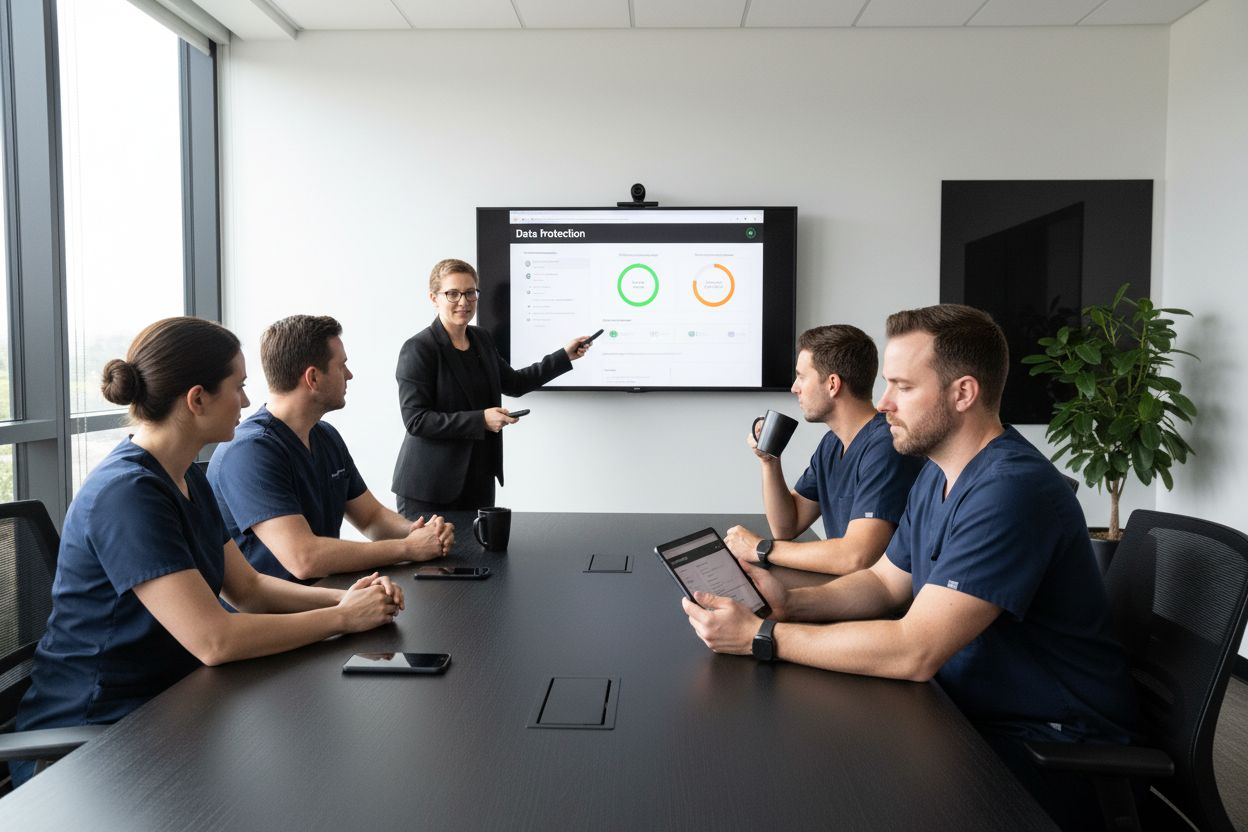
Mobile Device Management (MDM) operates as a comprehensive technological framework that enables healthcare organizations to maintain granular control over mobile devices, applications, and data access. By integrating sophisticated software solutions, MDM creates a secure and controlled digital ecosystem that protects sensitive healthcare information while enabling operational flexibility.
Device Authentication and Access Control
The foundational mechanism of MDM revolves around robust authentication protocols that verify user identities and regulate system access. According to research from the National Institute of Standards and Technology, these authentication processes are critical for preventing unauthorized access and protecting patient data.
Core Authentication Strategies:
- Multi-factor authentication mechanisms
- Biometric verification protocols
- Role-based access controls
- Adaptive authentication systems
- Comprehensive user credential management
Remote Management and Configuration
Healthcare MDM solutions provide administrators with powerful remote management capabilities that transcend traditional IT support. These tools allow immediate device configuration, software updates, and security interventions without physical interaction, ensuring consistent technological standards across complex medical environments.
Advanced Remote Management Features:
- Centralized device enrollment
- Automated software and security updates
- Remote device wiping and lockdown capabilities
- Geofencing and location-based security controls
- Comprehensive device and application inventory tracking
Security and Compliance Enforcement
Beyond basic management, MDM platforms implement sophisticated security protocols designed to meet stringent healthcare regulatory requirements. These systems continuously monitor device activities, encrypt sensitive data, and generate comprehensive audit trails that demonstrate compliance with industry standards like HIPAA.
Security Enforcement Mechanisms:
- Real-time threat detection
- Data encryption at rest and in transit
- Application whitelisting and control
- Continuous compliance monitoring
- Automatic security policy enforcement
By leveraging these advanced technological capabilities, mobile device management transforms potential security vulnerabilities into robust, controlled digital environments that protect patient information while supporting medical professionals’ technological needs.
Understanding the Impact of Mobile Device Management on Patient Care
Mobile Device Management (MDM) represents more than a technological solution. It serves as a transformative framework that directly influences the quality, efficiency, and safety of patient care in modern healthcare environments. By creating secure, intelligent digital infrastructures, MDM empowers medical professionals to deliver more responsive and precise healthcare services.
Enhanced Clinical Communication and Collaboration
MDM platforms revolutionize interdisciplinary communication by providing secure, instantaneous information sharing mechanisms. Research from the American Medical Informatics Association highlights how integrated mobile technologies enable healthcare teams to coordinate care more effectively, reducing potential medical errors and improving patient outcomes.
Communication Transformation Aspects:
- Real-time patient status updates
- Secure messaging between healthcare professionals
- Rapid consultation and specialist collaboration
- Streamlined handoff protocols
- Integrated electronic health record access
Immediate Access to Critical Patient Information
In high-stakes medical environments, every second matters. MDM solutions enable healthcare professionals to access comprehensive patient records, diagnostic information, and treatment histories instantly. This immediate access supports faster clinical decision-making and reduces potential delays that could compromise patient care.
Information Accessibility Benefits:
- Instant retrieval of patient medical history
- Quick verification of medication interactions
- Immediate access to diagnostic imaging
- Enhanced patient risk assessment capabilities
- Reduced administrative documentation time
Personalized and Responsive Healthcare Delivery
By providing secure, intelligent technological platforms, MDM enables a more patient-centric approach to healthcare. Medical professionals can leverage mobile technologies to provide more personalized, timely, and precise interventions, ultimately improving overall patient experience and treatment effectiveness.
Patient-Centric Technological Advantages:
- Tailored communication channels
- More accurate treatment tracking
- Enhanced remote monitoring capabilities
- Improved patient engagement tools
- Consistent care coordination across different medical departments
Through strategic mobile device management, healthcare organizations can transform technological infrastructure into a powerful mechanism for delivering higher quality, more responsive patient care.
Mobile Device Management Challenges and Solutions in Healthcare
Healthcare organizations navigate a complex landscape of technological challenges when implementing mobile device management strategies. The intersection of stringent regulatory requirements, diverse technological ecosystems, and critical patient care demands sophisticated, nuanced solutions that address multifaceted organizational needs.
Regulatory Compliance and Data Protection
Healthcare mobile device management confronts unprecedented challenges in maintaining patient data privacy and meeting rigorous regulatory standards. According to research from the Journal of Healthcare Information Management, healthcare organizations must implement comprehensive strategies that simultaneously protect sensitive information and enable operational efficiency.
Primary Compliance Challenges:
- Complex HIPAA privacy regulations
- Evolving cybersecurity threat landscapes
- Diverse device and application ecosystems
- Balancing security with user accessibility
- Continuous regulatory adaptation requirements
Technological Fragmentation and Interoperability
Healthcare environments frequently struggle with technological diversity, where multiple device types, operating systems, and applications create significant integration challenges. MDM solutions must provide seamless, standardized management capabilities across heterogeneous technological platforms while maintaining robust security protocols.
Interoperability Solution Strategies:
- Implementing universal device management frameworks
- Developing platform-agnostic security protocols
- Creating standardized configuration templates
- Utilizing cloud-based management platforms
- Establishing comprehensive device compatibility matrices
User Training and Cultural Transformation
Technological implementation extends beyond technical configurations. Successful mobile device management requires comprehensive user education, cultural transformation, and ongoing organizational commitment to secure, efficient technological practices.
User Engagement and Training Approaches:
- Developing interactive security awareness programs
- Creating role-specific device usage guidelines
- Implementing continuous learning modules
- Establishing clear accountability frameworks
- Promoting a proactive security culture
By understanding and strategically addressing these challenges, healthcare organizations can transform mobile device management from a potential vulnerability into a powerful operational enabler that supports superior patient care and organizational resilience.
The following table organizes the main challenges facing healthcare MDM and the solution strategies detailed in the article for each challenge.
| Challenge | Solution Strategy |
|---|---|
| Regulatory Compliance & Data Protection | Implement robust HIPAA-aligned policies, continuous adaptation, and data privacy tools |
| Technological Fragmentation & Interoperability | Use universal frameworks, platform-agnostic protocols, and standardized configurations |
| User Training & Cultural Transformation | Develop ongoing training, role-based guidelines, and promote proactive security culture |
Take Control of Healthcare Security and Patient Care with SRS Networks
Managing mobile devices in healthcare comes with big worries. If you are concerned about safeguarding patient data or struggling to keep up with changing compliance requirements, you are not alone. This article highlights how Mobile Device Management protects sensitive information, streamlines workflows, and responds quickly to threats. But having the right safeguards in place is not always easy—especially when juggling many devices and demanding regulations.
Ready to strengthen your mobile device management strategy? Give your healthcare team confidence with SRS Networks’ locally trusted IT services. We help medical organizations in Central California secure devices, meet HIPAA compliance, and boost efficiency—freeing your staff to focus on exceptional patient care. Learn more about our tailored Managed IT Services and how we address healthcare’s toughest technology challenges.
Do not wait for data risks to turn into real problems. Contact the specialists at SRS Networks for an expert assessment and customized plan to protect your devices and patient data. Secure your healthcare practice today—visit our homepage and take the next step toward safer, smarter care.
Frequently Asked Questions
What is Mobile Device Management (MDM) in healthcare?
Mobile Device Management (MDM) in healthcare is a technological strategy that allows healthcare organizations to securely control, monitor, and protect mobile devices used by medical professionals. It ensures patient data privacy, operational efficiency, and compliance with regulations.
Why is mobile device management important for protecting patient data?
MDM is crucial for protecting patient data because it provides security measures to safeguard sensitive information from data breaches. It focuses on preventing unauthorized access, ensuring secure communication, and maintaining compliance with regulations like HIPAA.
How does mobile device management improve operational efficiency in healthcare?
MDM enhances operational efficiency by allowing healthcare professionals to access critical information quickly, collaborate seamlessly, and streamline administrative processes. This leads to better communication, reduced overhead for IT management, and improved patient care.
What are the main security features of mobile device management systems?
The key security features of MDM systems include multi-factor authentication, data encryption, remote management capabilities, real-time threat detection, and continuous compliance monitoring. These measures help protect patient information and ensure a secure digital environment.