Manufacturing IT Success Story: Monterey Production Facility

Manufacturing IT Success: Optimizing a Monterey Production Facility with Industrial IT Solutions
In today’s manufacturing environment, squeezing more uptime and efficiency from every line is critical. This case study shows how managed IT services helped a Monterey Bay production facility streamline operations, cut downtime, and boost reliability. We walk through the facility’s shift from reactive fixes to a proactive IT strategy and share measurable results from targeted technology work. As production demands grow, the right technology stack—and the team that supports it—becomes a competitive advantage. Below we cover proactive IT management, essential hardware, industrial network security, and the practical benefits local plants are seeing.
Designing tailored security architectures—like those developed for Monterey—is a core component of complete IT optimization.
Monterey Security Architecture for IT Optimization
Managing information across different sensitivity domains requires distributed architectures that enforce information-flow policies while providing protection.
MYSEA: the Monterey security architecture, TE Levin, 2009
How do managed IT services enhance manufacturing efficiency in Monterey?
Managed IT services are a practical way to improve manufacturing efficiency because they deliver solutions matched to the plant’s day-to-day challenges. That includes continuous monitoring, routine maintenance, and strategic planning. By partnering with experienced providers and using managed IT services, facilities reduce unexpected downtime, keep systems running at peak capacity, and free internal teams to focus on production — ultimately lowering costs and improving output.
What proactive IT management strategies reduce production downtime?
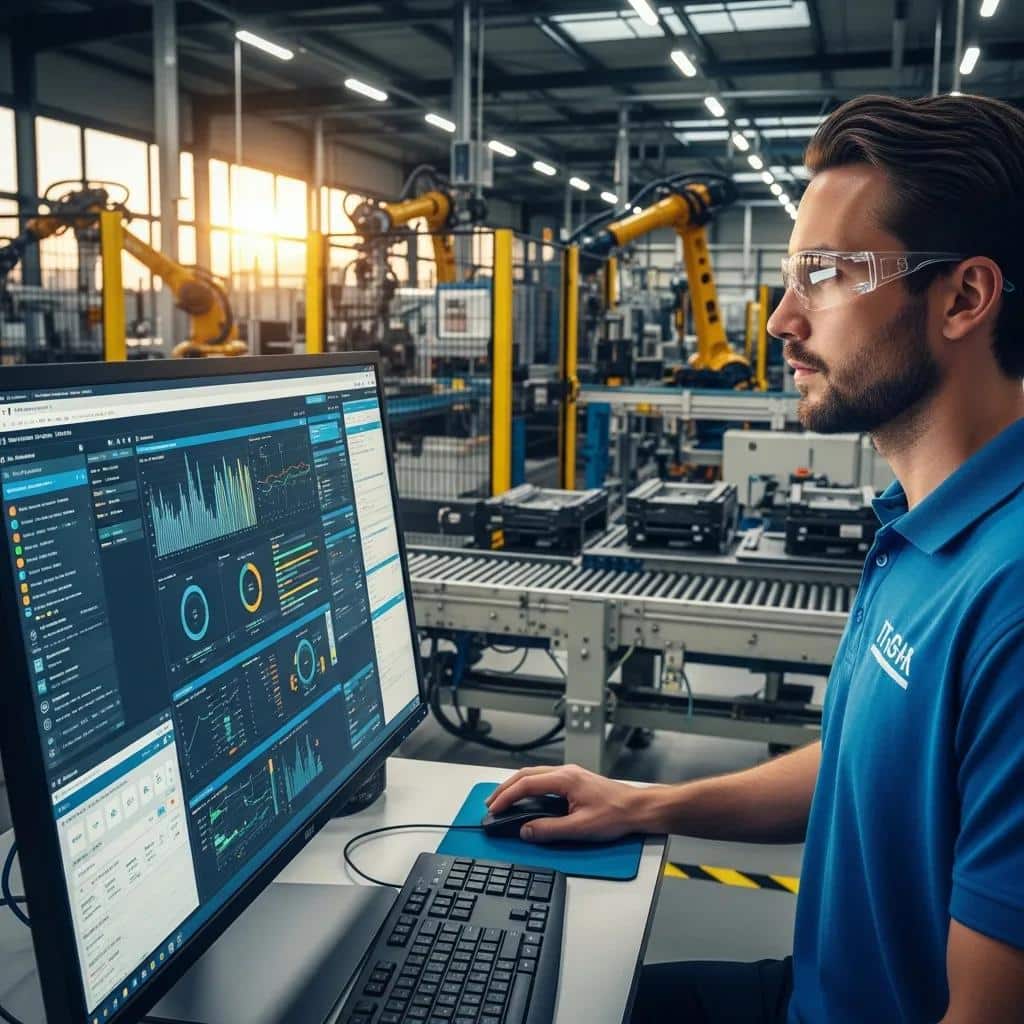
Reducing downtime starts with proactive practices: scheduled updates, 24/7 performance monitoring, and predictive maintenance. Continuous monitoring surfaces small issues before they grow into outages, and predictive maintenance lets teams plan repairs during off-hours so production keeps moving. Facilities that adopt these approaches commonly see measurable drops in unplanned stops and smoother day-to-day operations.
How does professional server support improve facility reliability?
Professional server support keeps critical systems healthy through regular tuning, backups, and performance checks. Well-maintained servers reduce the chance of sudden failures and shorten mean time to repair when problems do occur. Having a dedicated support team also speeds problem resolution, which translates to steadier production and less disruption for plant managers and operators.
What are the key hardware and infrastructure solutions for manufacturing IT?
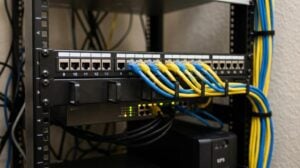
Reliable hardware and infrastructure are the backbone of any industrial IT environment. Structured cabling, resilient server platforms, and a robust network design all ensure data flows where it needs to go and systems stay responsive. Choosing the right components and planning for growth keeps production systems stable and scalable as requirements change.
How does structured cabling support industrial IT infrastructure?
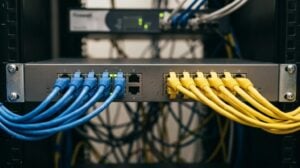
Structured cabling provides a predictable, maintainable foundation for voice, data, and video across the plant floor. Proper cabling improves throughput, reduces intermittent faults, and makes future expansions simpler. The benefits of structured cabling show up as fewer network glitches and faster diagnostics when issues arise.
Which hardware services optimize production facility IT systems?
Optimizing facility IT requires a full hardware approach: high-performance servers, resilient network devices, and adequate storage sized for production needs. Services like hardware refreshes, system integration, and ongoing maintenance ensure equipment meets operational demands. Facilities that invest in these services typically gain better uptime, faster response times, and more predictable system behavior.
How does industrial network security protect Monterey production facilities?

Industrial network security is essential as manufacturing systems become more connected. Strong security practices protect sensitive production data and keep control systems running safely. A layered approach—covering perimeter defenses, network segmentation, and endpoint protections—helps plants guard against outside attacks and meet industry compliance requirements.
Recent research highlights the specific technical and procedural considerations needed to secure industrial networks effectively.
Industrial Network Security for Manufacturing Facilities
Industrial network security must address the unique networks, protocols, and applications used by industrial control systems—considerations that also apply in high-assurance sectors such as nuclear power. These requirements shape how critical-infrastructure networks like smart grid and SCADA are secured.
Industrial Network Security: Securing critical infrastructure networks for smart grid, SCADA, and other Industrial Control Systems, 2024
What are best practices for manufacturing IT cybersecurity?
Best practices combine technical controls with people and process: multi-layered defenses, regular vulnerability scans and audits, clear incident response plans, and ongoing employee security training. Together these measures reduce exposure, speed detection, and limit the impact of incidents—helping facilities stay operational and compliant.
How do managed IT services address security challenges in manufacturing?
Managed IT providers bring continuous monitoring, threat detection, and incident response capabilities that many facilities can’t maintain in-house. By outsourcing these functions, manufacturers gain timely threat intelligence and faster remediation paths, which lowers breach risk and strengthens their security posture over time. Case studies show managed security support often reduces both incidents and recovery time.
What measurable benefits have Monterey production facilities gained from IT optimization?
Monterey production sites that invested in IT optimization report clear, measurable results: higher throughput, lower operating costs, and improved system stability. Smart use of technology helps plants respond faster to demand changes and keeps production lines running more consistently.
Which case studies demonstrate improved production efficiency?
Real-world examples from the region show significant gains: one facility reported a 20–30% increase in output after rolling out a comprehensive IT program combining managed services and hardware upgrades. Another facility reduced operating costs by roughly 20–25% after moving key systems to cloud-based solutions that improved resource allocation. These numbers illustrate the tangible returns possible from targeted IT investment.
How do client testimonials reflect IT support success?
Client feedback highlights faster issue resolution, steadier operations, and better ability to scale during busy periods. Facility managers point to the value of a local IT partner who understands manufacturing rhythms and delivers practical, schedule-friendly support. Those testimonials underscore how tailored IT services translate into real operational improvements.
How can SMBs and non-profits in California access tailored manufacturing IT support?
Small and medium businesses—and non-profits—can work with specialized local providers that understand manufacturing requirements. These providers offer focused services that fit budget and scale, helping smaller organizations benefit from the same reliability and security larger plants enjoy.
What local IT service options does SRS Networks provide?
SRS Networks, based in Salinas, California, delivers practical IT solutions for SMBs and non-profits in the manufacturing sector. Their offerings include managed IT support, cybersecurity programs, and hardware services built to keep production systems healthy and scalable. Working with a local partner like SRS Networks gives teams hands-on support and quicker response times when issues arise.
How to schedule consultations for manufacturing IT solutions?
Scheduling a consultation with SRS Networks is simple: reach out to discuss your facility’s challenges and goals. During the consultation, SRS will assess your environment and recommend practical steps to improve reliability, security, and performance. That tailored plan helps you prioritize upgrades and get measurable results.
Frequently Asked Questions
What role does data analytics play in manufacturing IT optimization?
Data analytics turns production data into actionable insight. By tracking metrics in real time, teams spot bottlenecks, predict maintenance needs, and optimize resource use. Facilities that use analytics make faster, better-informed decisions and typically see gains in productivity and cost control.
How can manufacturing facilities ensure compliance with industry regulations?
Compliance starts with clear IT governance: documented policies, regular audits, and strong data protection controls. Training staff on regulatory requirements and using compliance-management tools also helps. Staying current with standards and embedding compliance into IT processes reduces risk and simplifies audits.
What are the benefits of cloud computing for manufacturing IT?
Cloud services offer scalability, flexibility, and lower upfront capital costs. They make it easier to scale resources with demand, enable secure remote access to systems, and improve disaster recovery through reliable backups. For many facilities, the cloud provides a cost-effective way to modernize infrastructure.
How can employee training improve IT security in manufacturing?
People are often the first line of defense. Regular training on phishing, password hygiene, and safe practices reduces human error and exposure to threats. Ongoing, scenario-based training keeps security top of mind and helps employees recognize and react to real threats quickly.
What impact does IoT have on manufacturing IT systems?
IoT brings real-time visibility and automation to manufacturing. Sensors and connected devices enable predictive maintenance, performance monitoring, and tighter process control. Properly managed, IoT increases uptime and efficiency; unmanaged, it can expand attack surface—so it needs careful security and integration planning.
How do managed IT services support disaster recovery in manufacturing?
Managed IT services help build and maintain disaster recovery plans, perform regular backups, and implement redundancy so critical systems recover fast. With these protections in place, facilities can minimize downtime and data loss after an incident, preserving production and protecting revenue.