Local IT Support Benefits for Small Businesses

Managed IT Services for Small Businesses — Local IT Support Benefits in California
Running a small business today means relying on technology — and that brings its own set of challenges. Local IT support gives California businesses practical, on-the-ground help to keep systems running, reduce risk, and free teams to focus on work that matters. Below, we explain how managed IT services help streamline operations, strengthen cybersecurity, and support growth. Many small companies lack in-house IT resources, which can lead to costly downtime and security gaps. Local support provides expert guidance and faster response times so your technology supports your goals instead of slowing you down. This overview covers why local IT matters, the advantages of proactive care, and how strategic IT consulting can move your business forward.
The rapid spread of information systems and mobile devices has increased cybersecurity risks for organizations of every size, and SMBs often struggle to secure their systems effectively.
SMB Cybersecurity Challenges and System Security
Over recent decades the growth of information systems and mobile devices has created serious cybersecurity challenges. Larger organizations invest heavily in tools and incident response, while many small and medium businesses (SMBs) still struggle to keep operations running and secure their systems to the degree they need.
Improving Cybersecurity of Managed Service Providers (Supporting Small-and Medium-Sized Businesses), 2019
Why Do Small Businesses Need Local IT Support?
Local IT support gives small businesses fast access to technical expertise and solutions that fit their size and needs. Being local means quicker response times — which limits downtime — and more personalized service, so you build a working relationship with a team that understands your business and community.
How Does Local IT Support Provide Faster Response Times and On-site Expertise?

Local IT teams can often reach your site within hours rather than days, depending on location and availability. That speed cuts disruption and keeps your people productive. Local technicians also see the recurring issues common to businesses in the area, so their fixes are practical, targeted, and lasting.
What Cost Savings Can Small Businesses Achieve by Outsourcing IT Locally?
Outsourcing IT to a local provider often lowers overall costs versus hiring and training internal staff. You avoid salaries, benefits, and ongoing training expenses, and you gain flexible service plans that let you pay for only the support you need. Over time, this predictable pricing can improve your bottom line.
What Are the Key Benefits of Proactive IT Support for Small Businesses?

Proactive IT support changes the conversation from “fix it when it breaks” to preventing problems before they happen. Regular monitoring, maintenance, and updates reduce outages, protect data, and keep systems running smoothly so your team can work without interruptions.
How Does Proactive IT Support Minimize Downtime and Increase Productivity?
Proactive support uses continuous monitoring and scheduled maintenance to spot issues early and resolve them before they escalate. Simple actions — like timely updates, patching, and routine checks — prevent many failures and help employees stay productive.
Research consistently shows businesses that adopt proactive IT practices experience less downtime than those that rely on reactive fixes, though results vary by industry and provider.
Why Is Access to Expert IT Knowledge Crucial for SMB Growth?
Access to experienced IT professionals helps SMBs use technology strategically rather than reactively. Skilled IT advisors recommend tools, secure systems, and plan technology investments so your IT supports growth and aligns with business goals.
| Service | Benefit | Value |
|---|---|---|
| Proactive Monitoring | Early issue detection | Reduced downtime |
| Regular Updates | Enhanced security | Increased productivity |
| Strategic IT Planning | Alignment with business goals | Long-term growth |
How Do Managed IT Services Enhance Cybersecurity and Data Protection for SMBs in California?
Managed IT services provide a structured security approach for small businesses that may not have internal security teams. Local providers build tailored defenses, apply best practices, and help ensure compliance with California regulations — giving owners both protection and peace of mind.
Managed Service Providers (MSPs) are becoming essential partners for SMBs navigating today’s complex cybersecurity landscape.
MSPs as Trusted Cybersecurity Partners for SMBs
Small businesses often rely on MSPs to fill gaps in cybersecurity tools and expertise. MSPs help implement protections and advise on risk, but many MSPs themselves face challenges such as a shortage of cybersecurity talent and limited experience integrating advanced security technologies.
Improving Cybersecurity of Managed Service Providers (Supporting Small-and Medium-Sized Businesses), 2019
What Are the California-Specific IT Compliance Requirements for Small Businesses?
California enforces strong privacy laws like the California Consumer Privacy Act (CCPA) and the California Privacy Rights Act (CPRA). These laws require businesses to protect consumer data and be transparent about how data is used. Local IT partners can help you design controls, document policies, and stay compliant to avoid fines and reputational harm.
California has led the way on privacy and security standards, influencing practices across the U.S.
California Privacy Laws and Business Security Standards
Recent high-profile breaches have exposed personal data and highlighted the need for stronger protections. California responded by enacting some of the strictest disclosure and security requirements in the country — rules that affect any business handling the personal information of California residents.
Compliance with California Privacy Laws: Federal Law Also Provides Guidance to Businesses Nationwide, 2006
Compliance is only part of the picture. You also need to manage internal risks. Understanding and controlling Shadow IT prevents unauthorized apps and devices from creating holes in your defenses.
How Does Local IT Support Implement Effective Data Backup and Disaster Recovery?
Local IT providers develop backup and disaster recovery plans tailored to your operations. That includes regular backups, tested restore procedures, and clear recovery priorities so you can restore critical systems quickly and reduce downtime after an incident.
What IT Support Solutions Are Available for Small Businesses and Non-profits in California?
California small businesses and non-profits can choose from a range of IT services: from basic break/fix support to full managed services that cover security, backups, help desk, and strategic planning. Options scale to your needs and budget.
How Do Professional Server Support and Hardware Services Benefit SMBs?
Professional server support and hardware maintenance keep your infrastructure reliable and performing. Outsourcing these tasks reduces the risk of outages and frees internal staff for higher-value work. Proper server care also extends equipment life and improves system stability.
Comprehensive hardware services cover procurement, installation, and ongoing maintenance so your physical IT components work together efficiently and securely.
What Are the Advantages of Local Cabling, Wiring, and Network Management?
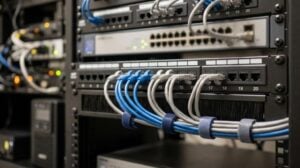
Local cabling and wiring teams build and manage networks that are optimized for speed and reliability. Local installers can complete jobs faster, troubleshoot on-site, and tailor setups to your workspace — all of which reduces future network issues.
How Does Strategic IT Consulting Drive Business Growth for Small Businesses?
Strategic IT consulting helps you turn technology investments into business outcomes. Consultants assess your needs, recommend priorities, and create roadmaps that improve efficiency, reduce waste, and support growth plans.
What Role Does IT Strategy Play in Enhancing Business Profitability?
A clear IT strategy identifies where technology can cut costs, speed processes, and enable new services. When IT aligns with business objectives, investments deliver measurable returns and support long-term profitability.
How Can Virtual CIO Services Support SMBs’ Long-term Objectives?
Virtual Chief Information Officer (vCIO) services give small businesses executive-level IT guidance without the cost of a full-time hire. A vCIO helps prioritize projects, evaluate vendors, and ensure your technology roadmap supports your long-term goals.
What Makes SRS Networks the Trusted Local IT Partner for Small Businesses in California?
SRS Networks earns trust by delivering practical, locally focused IT solutions and by building long-term client relationships. We tailor our services to the realities of small business budgets and operations, and we prioritize responsiveness and clear communication.
For businesses in Monterey County, we offer dedicated IT support in Salinas, providing fast, on-the-ground assistance and solutions that fit the region.
What Do Client Testimonials Reveal About SRS Networks’ Service Quality?
Clients consistently praise SRS Networks for responsive support and practical expertise. Those testimonials reflect a pattern: local teams that solve problems quickly and communicate clearly, helping customers navigate IT challenges with confidence.
How Do SRS Networks’ Partnerships with Microsoft, Sophos, and Cisco Benefit Clients?
Our partnerships with industry leaders like Microsoft, Sophos, and Cisco give clients access to proven technologies and best-practice integrations. Those vendor relationships let us recommend and deploy tools that strengthen security and improve performance as your needs evolve.
Frequently Asked Questions
What types of IT support services are most beneficial for small businesses?
Small businesses benefit most from managed IT services, cybersecurity, data backup and disaster recovery, and network management. Managed services bundle ongoing monitoring, help desk support, and security so all IT aspects are handled proactively. Backups protect data and disaster recovery plans keep your operations running after an incident, while network management ensures reliable connectivity.
How can small businesses ensure they choose the right local IT support provider?
Look for experience in your industry, proven response times, clear service level agreements (SLAs), and positive client references. Assess the provider’s technical certifications and their ability to explain solutions in plain language. A good local partner will offer a clear plan, predictable pricing, and strong communication.
What are the potential risks of not having local IT support?
Without local IT support you risk longer outages, slower problem resolution, and gaps in security. Delays during incidents affect productivity and customer service, and a lack of proactive maintenance increases the chance of data loss or costly failures.
How does local IT support contribute to better cybersecurity for small businesses?
Local providers deliver tailored security measures — firewalls, endpoint protection, patch management, and staff training — that suit your business size and threat profile. They also help you meet requirements like the CCPA and provide regular monitoring to detect and respond to threats faster.
What should small businesses look for in a disaster recovery plan?
A solid disaster recovery plan specifies backup frequency and storage methods, identifies mission-critical systems, and sets recovery priorities. It also includes communication steps for staff and stakeholders, and is tested regularly so you know the plan works when you need it.
How can small businesses leverage technology to improve operational efficiency?
Use cloud tools for collaboration, implement project management platforms to track work, and adopt a CRM to manage customer interactions. Automating routine tasks and using data analytics to guide decisions free up time and help you run the business more efficiently.