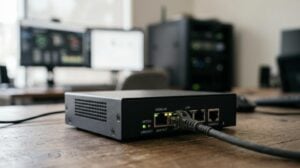
Rising energy demands from digital technology now account for nearly 4 percent of global greenhouse gas emissions. As businesses race to keep up with innovation, many overlook the toll their IT systems take on the environment. Understanding which technology solutions are truly sustainable matters more than ever, especially when misleading greenwashing claims crowd the market. This article sheds light on how real green IT solutions can cut energy use, lower costs, and help companies meet environmental goals without sacrificing performance.
Green IT Solutions Guide: Quick Overview & Navigation
- Green IT Solutions Defined and Debunked
- Types of Green IT Initiatives for SMBs
- Key Benefits and Core Features Explained
- Implementation Strategies and Best Practices
- Compliance, Responsibility, and Cost Implications
Key Takeaways
| Point | Details |
|---|---|
| Green IT Implementation | Businesses can achieve 40-60% energy consumption reductions by implementing sustainable IT strategies like energy-efficient hardware and AI-driven power management. |
| Beware of Greenwashing | Organizations should verify environmental claims through energy efficiency metrics, third-party certifications, and actual carbon reduction documentation to avoid misleading practices. |
| Financial and Environmental Benefits | Green IT solutions can deliver a payback period of 3-5 years and significantly reduce carbon footprints, driving both cost savings and improved operational efficiency. |
| Strategic Compliance | Adhering to environmental standards and tracking carbon emissions is essential for businesses aiming to integrate sustainability into their technology and operational strategies. |
Green IT Solutions Defined and Debunked
Green IT represents a strategic approach to minimizing the environmental impact of technology infrastructure while maintaining operational efficiency. As businesses increasingly recognize their digital carbon footprint, understanding what truly constitutes a green IT solution becomes critical.
According to research from arXiv, sustainable IT strategies can achieve remarkable energy consumption reductions of 40-60% without sacrificing performance. These strategies typically involve:
- Implementing energy-efficient hardware
- Optimizing data center configurations
- Utilizing AI-driven power management systems
- Selecting renewable energy sources for computing infrastructure
However, businesses must remain vigilant about greenwashing – a deceptive marketing practice where companies exaggerate their environmental credentials. As insights from Wikipedia reveal, not all claims of environmental friendliness are genuine. To differentiate authentic green IT solutions from marketing spin, organizations should:
- Request detailed energy efficiency metrics
- Seek third-party sustainability certifications
- Analyze actual carbon reduction documentation
- Evaluate long-term environmental impact, not just short-term claims
True green IT solutions go beyond surface-level environmental gestures. They represent a holistic approach to technology that balances operational needs, cost-effectiveness, and genuine ecological responsibility. By adopting a critical and informed perspective, businesses can make meaningful technological choices that support both their performance requirements and environmental commitments.
Types of Green IT Initiatives for SMBs
Small and medium-sized businesses are increasingly recognizing the importance of sustainable technology strategies that reduce environmental impact while maintaining operational efficiency. As technology continues to evolve, green IT initiatives have transformed from optional considerations to essential business practices.
According to the World Bank, several key green digital solutions can help SMBs dramatically reduce their carbon footprint. These initiatives include:
- Green Data Centers: Redesigning server infrastructure to minimize energy consumption
- Cloud Solutions: Leveraging shared computing resources to reduce individual energy requirements
- Virtualization Technologies: Consolidating multiple digital systems onto fewer physical machines
- Energy-Efficient Hardware: Selecting equipment with superior power management capabilities
The U.S. Government Accountability Office further identifies specific green IT practices that SMBs can implement, such as server virtualization and improved print management. These strategies not only reduce energy consumption but can also lead to significant cost savings. Key implementation approaches include:
- Conducting comprehensive energy audits of current IT infrastructure
- Replacing older hardware with energy-efficient models
- Implementing automated power management settings
- Transitioning to cloud-based services with sustainable data centers
By embracing these green IT initiatives, small businesses can demonstrate environmental responsibility, reduce operational costs, and position themselves as forward-thinking organizations committed to sustainable technological practices.
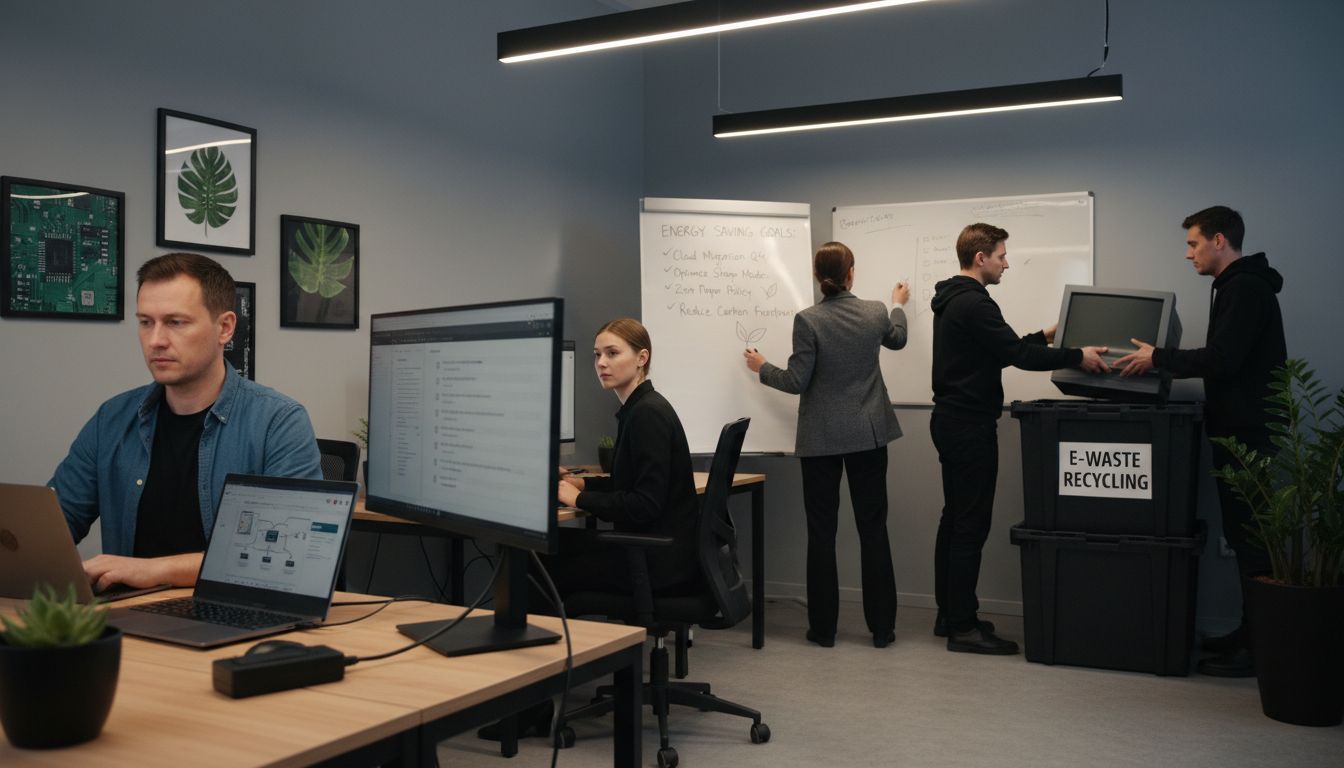 The journey toward green IT is not just about reducing carbon emissions – it’s about creating a more efficient, responsible, and future-ready business ecosystem.
For deeper insights into optimizing your business technology, check out our guide on managed IT services benefits for Bay Area businesses.
Key Benefits and Core Features Explained
Green IT solutions represent a transformative approach to technology management that goes far beyond simple environmental considerations. These innovative strategies deliver comprehensive advantages that touch every aspect of business operations, from financial performance to organizational reputation.
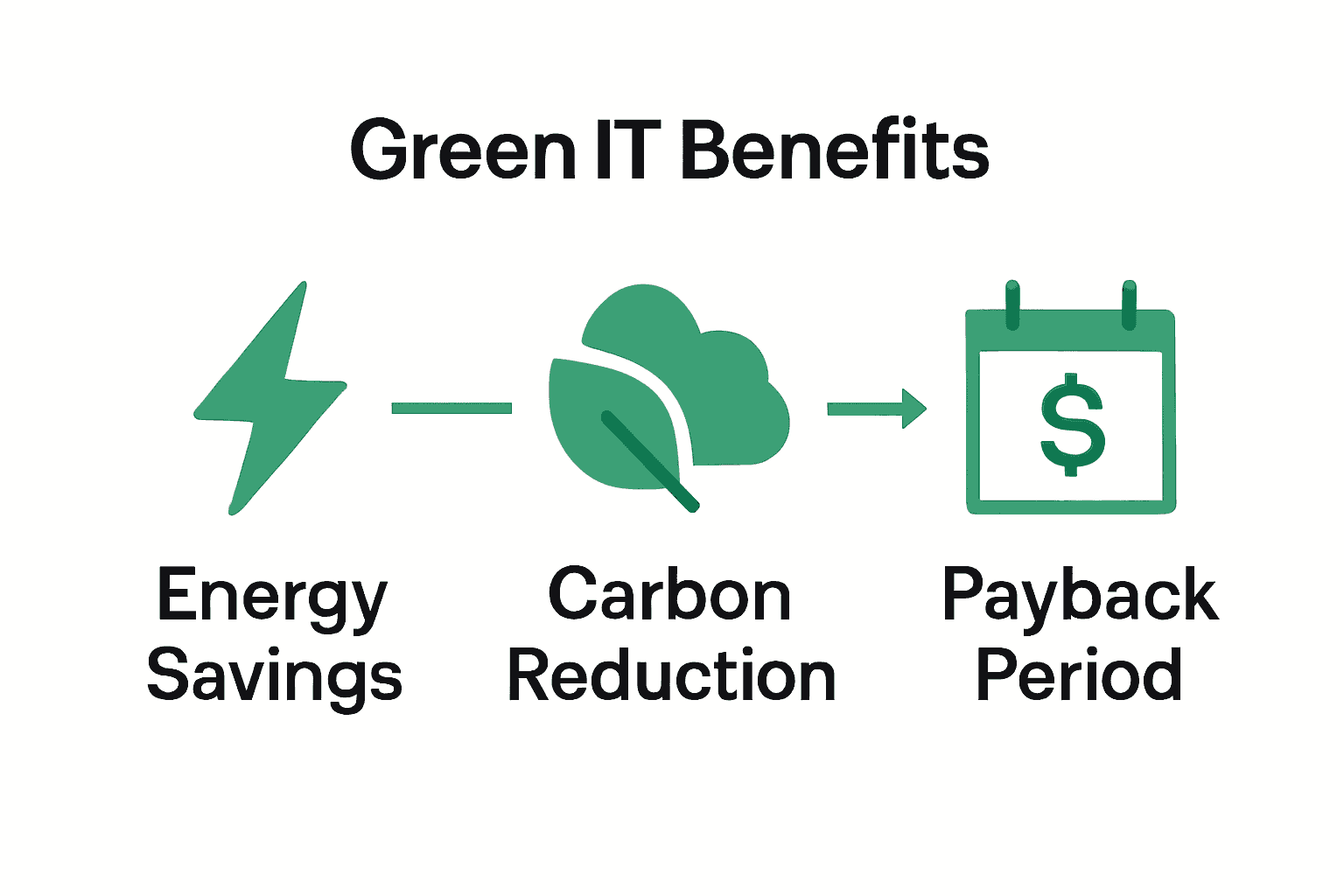
Research from arXiv reveals compelling economic insights, demonstrating that green IT implementations typically offer a payback period of 3-5 years. This means businesses can expect tangible financial returns while simultaneously reducing their environmental impact. The key benefits can be categorized into several critical domains:
-
Financial Advantages
- Reduced energy consumption costs
- Lower hardware replacement expenses
- Potential tax incentives for sustainable practices
- Improved operational efficiency
-
Environmental Impact
- Significant carbon footprint reduction
- Decreased electronic waste generation
- Sustainable technology ecosystem development
- Support for broader climate action goals
According to the U.S. Government Accountability Office, core features of green IT solutions typically include energy-efficient hardware and advanced server virtualization technologies. These features enable businesses to achieve remarkable performance while minimizing resource consumption. Key implementation features include:
- Advanced power management systems
- Automated energy optimization protocols
- Scalable cloud infrastructure
- Intelligent workload distribution
Ultimately, green IT solutions represent more than a technological upgrade – they’re a strategic investment in a business’s future. By embracing these innovative approaches, organizations can create a competitive advantage that balances technological excellence with environmental stewardship.
For more detailed insights into optimizing your technology infrastructure, explore our guide on managed IT services benefits for Bay Area businesses.
Implementation Strategies and Best Practices
Green IT implementation requires a strategic and systematic approach that goes beyond simple technology replacement. Small and medium-sized businesses must develop a comprehensive roadmap that integrates sustainable practices into their existing technological ecosystem.
World Bank research highlights critical strategies for optimizing green IT deployment, with a particular emphasis on strategic infrastructure decisions. Key implementation approaches include:
- Data Center Optimization
- Select geographical locations with natural cooling advantages
- Utilize renewable energy sources for powering infrastructure
- Design heat-efficient server room layouts
- Implement advanced thermal management systems
The U.S. Government Accountability Office provides additional best practices for green IT adoption, focusing on server consolidation and hardware efficiency. Organizations can achieve sustainable transformation through:
- Comprehensive technology infrastructure audits
- Gradual replacement of legacy systems with energy-efficient alternatives
- Implementing virtualization to reduce physical hardware requirements
- Developing clear metrics for measuring energy consumption and efficiency
Successful green IT implementation demands a holistic approach that balances technological performance, economic considerations, and environmental responsibility. By treating sustainability as a strategic business objective, companies can create lasting positive impact while maintaining competitive technological capabilities.
For deeper insights into managing your technology infrastructure effectively, explore our guide on managed IT services benefits for Bay Area businesses.
Compliance, Responsibility, and Cost Implications
Green IT compliance represents a critical intersection of technological innovation, environmental stewardship, and financial strategy for modern businesses. Organizations must navigate a complex landscape of regulatory requirements, ethical responsibilities, and economic considerations.
Research from the UK Government highlights the importance of strategic collaboration in meeting sustainability goals. Key compliance dimensions include:
- Regulatory Alignment
- Adhering to emerging environmental technology standards
- Tracking and reporting carbon emissions
- Demonstrating measurable sustainability progress
- Maintaining transparent environmental impact documentation
The U.S. Government Accountability Office provides critical insights into the financial considerations of green IT adoption. While initial investments may seem challenging, long-term benefits substantiate the strategic approach. Cost implications can be categorized into:
- Initial infrastructure transformation expenses
- Ongoing operational efficiency gains
- Potential tax incentives and rebates
- Reduced long-term energy consumption costs
Responsible green IT implementation goes beyond mere compliance – it represents a fundamental reimagining of technological infrastructure as a force for positive environmental and economic change. By integrating sustainability into core business strategies, organizations can create meaningful impact while maintaining competitive technological capabilities.
To understand how IT can support your compliance objectives, explore our guide on IT’s role in compliance for small and medium-sized businesses.
Empower Your Business with Genuine Green IT Solutions
Embracing sustainable technology is more than a trend; it is a vital step toward reducing your environmental impact while improving efficiency and cutting costs. If your business struggles with energy-heavy IT infrastructure or worries about greenwashing claims, it is time to adopt authentic green IT strategies. The article highlights the importance of energy-efficient hardware, virtualization, and thoughtful data center optimization, all designed to lower your carbon footprint and enhance operational resilience.
At SRS Networks, we understand the unique challenges small to medium-sized businesses face when navigating green IT adoption. Our tailored Managed IT Services integrate eco-friendly technology practices with expert support, ensuring your infrastructure is both sustainable and scalable. From advanced cloud computing to secure network solutions, we help you implement cost-effective IT transformation that aligns with your business goals and environmental responsibilities.
Take the first step toward a greener, smarter IT environment today.
Explore how SRS Networks can help your business achieve real green IT benefits. Visit SRS Networks now and schedule a consultation to build a customized, energy-efficient technology roadmap that supports your growth and sustainability commitments. Don’t wait until energy costs and compliance pressures increase—partner with us to future-proof your IT infrastructure with integrity and reliability.
Frequently Asked Questions
What are Green IT solutions?
Green IT solutions refer to environmentally friendly technology strategies aimed at reducing the ecological impact of IT infrastructure while maintaining efficiency. This includes energy-efficient hardware, optimized data center configurations, and the use of renewable energy sources.
How can small and medium-sized businesses implement Green IT practices?
SMBs can implement Green IT practices by conducting energy audits, replacing outdated hardware with energy-efficient models, transitioning to cloud solutions, and utilizing data center optimization strategies like virtualization and automated energy management.
What are the financial benefits of adopting Green IT solutions?
Businesses adopting Green IT solutions can enjoy reduced energy consumption costs, lower hardware replacement expenses, potential tax incentives, and improved operational efficiency, leading to a payback period of 3-5 years for their investments.
How can companies avoid greenwashing when choosing IT solutions?
To avoid greenwashing, companies should request detailed energy efficiency metrics, seek third-party sustainability certifications, analyze carbon reduction documentation, and evaluate the long-term environmental impact of the claimed solutions.