Secure file sharing sounds like something only massive corporations need but data breaches are now hitting businesses of all sizes and the average cost of a breach soared to $4.35 million in 2022. Most people assume a password and a cloud folder are enough. The real surprise is that it takes layers of encryption, strict access controls, and constant tracking to protect information in a world where leaking one spreadsheet could tank a whole company.
Table of Contents
- What Are Secure File Sharing Solutions?
- Why Secure File Sharing Matters For Your Business
- How Secure File Sharing Solutions Work
- Key Concepts In Secure File Sharing Technology
- Real-World Applications Of Secure File Sharing
Quick Summary
| Takeaway | Explanation |
|---|---|
| Implement Strong Encryption | Use encryption to protect sensitive data from unauthorized access during transfer and storage. |
| Enforce Access Controls | Set granular permission settings to manage who can view, edit, or share files based on roles. |
| Maintain Audit Trails | Create detailed logs of file interactions to ensure transparency and help with regulatory compliance. |
| Utilize Multi-Factor Authentication | Add an extra layer of security by requiring multiple proofs of identity for accessing sensitive documents. |
| Comply with Regulations | Implement secure sharing solutions to meet data protection regulations and avoid legal penalties. |
What are Secure File Sharing Solutions?
Secure file sharing solutions are specialized digital platforms designed to transfer, store, and manage files across networks while maintaining robust data protection and privacy standards. These technological solutions go beyond standard file transfer methods by implementing advanced security protocols that safeguard sensitive information from unauthorized access, interception, or potential cyber threats.
Core Characteristics of Secure File Sharing Platforms
Secure file sharing solutions distinguish themselves through several critical features that protect organizational data. These platforms are engineered to provide comprehensive protection while enabling seamless collaboration and information exchange.
Key elements include:
- Encryption: Transforming files into coded formats that can only be accessed with specific decryption keys
- Access Controls: Granular permission settings determining who can view, edit, or download specific files
- Audit Trails: Detailed logs tracking file interactions, modifications, and user activities
Technical Mechanisms of Security
The underlying technology powering secure file sharing solutions involves multiple layers of protection. According to Gartner Research, these platforms utilize complex security frameworks that integrate multiple defensive strategies.
These mechanisms typically include end-to-end encryption, which ensures that files remain protected during transmission and storage. Advanced solutions also incorporate multi-factor authentication, requiring users to verify their identity through multiple verification steps before accessing sensitive documents.
Business Implications of Secure Sharing
For modern organizations, secure file sharing solutions are not optional but essential. They address critical challenges related to data protection, regulatory compliance, and operational efficiency. By implementing robust sharing platforms, businesses can mitigate risks associated with data breaches, unauthorized information access, and potential legal complications stemming from inadequate data management practices.
Companies across various industries leverage these solutions to maintain confidentiality, support remote collaboration, and ensure that sensitive information remains protected throughout its digital lifecycle.
Why Secure File Sharing Matters for Your Business
In an increasingly digital business landscape, secure file sharing is not just a technological preference but a critical operational necessity. Companies face unprecedented challenges related to data protection, collaboration efficiency, and regulatory compliance, making robust file sharing solutions a strategic imperative for sustainable business growth.
Financial and Reputational Risk Mitigation
The potential consequences of inadequate file sharing practices extend far beyond immediate data loss. According to IBM’s Cost of Data Breach Report, the average total cost of a data breach in 2022 reached $4.35 million, underscoring the substantial financial risks businesses face when data security is compromised.
Significant risks include:
- Legal Penalties: Non-compliance with data protection regulations can result in severe financial sanctions
- Reputation Damage: Security breaches can erode customer trust and potentially destroy years of brand building
- Operational Disruption: Unauthorized data access can interrupt critical business processes
Collaboration and Productivity Enhancement
Secure file sharing solutions are not just defensive tools but powerful productivity enablers. By providing a centralized, protected platform for information exchange, businesses can streamline communication, support remote work environments, and maintain seamless collaboration across different teams and geographical locations.
Modern secure file sharing platforms offer features that directly translate into improved organizational efficiency, such as real-time document editing, version control, and synchronized access across multiple devices and user roles.
Regulatory Compliance and Data Governance
With increasingly stringent data protection regulations like GDPR, HIPAA, and CCPA, businesses must demonstrate robust data management practices. Secure file sharing solutions provide comprehensive audit trails, access logs, and encryption mechanisms that help organizations meet complex compliance requirements.
By implementing these solutions, businesses can document their data handling processes, prove due diligence in protecting sensitive information, and create a defensible position in case of regulatory scrutiny.
 This proactive approach not only mitigates legal risks but also demonstrates organizational commitment to data privacy and security.
How Secure File Sharing Solutions Work
Secure file sharing solutions operate through sophisticated technological frameworks designed to protect data integrity, confidentiality, and accessibility. These platforms leverage advanced security mechanisms that transform traditional file transfer processes into highly protected digital exchanges.
Encryption and Data Protection Mechanisms
At the core of secure file sharing solutions are robust encryption technologies that render sensitive information unreadable to unauthorized parties. According to NIST Cybersecurity Framework, encryption serves as a fundamental defense mechanism in protecting digital assets.
Key encryption methods include:
To clarify the main differences between key encryption methods used in secure file sharing, the following table provides a quick comparison of their approaches and benefits.
| Encryption Method | Description | Security Level | Typical Use Cases |
|---|---|---|---|
| Symmetric Encryption | Uses the same key for both encrypting and decrypting data | High | Internal file transfers |
| Asymmetric Encryption | Utilizes paired public and private keys for encryption and decryption | Very High | External sharing, secure email |
| End-to-End Encryption | Ensures files are encrypted throughout the entire transfer and storage process | Maximum | Sensitive collaborations |
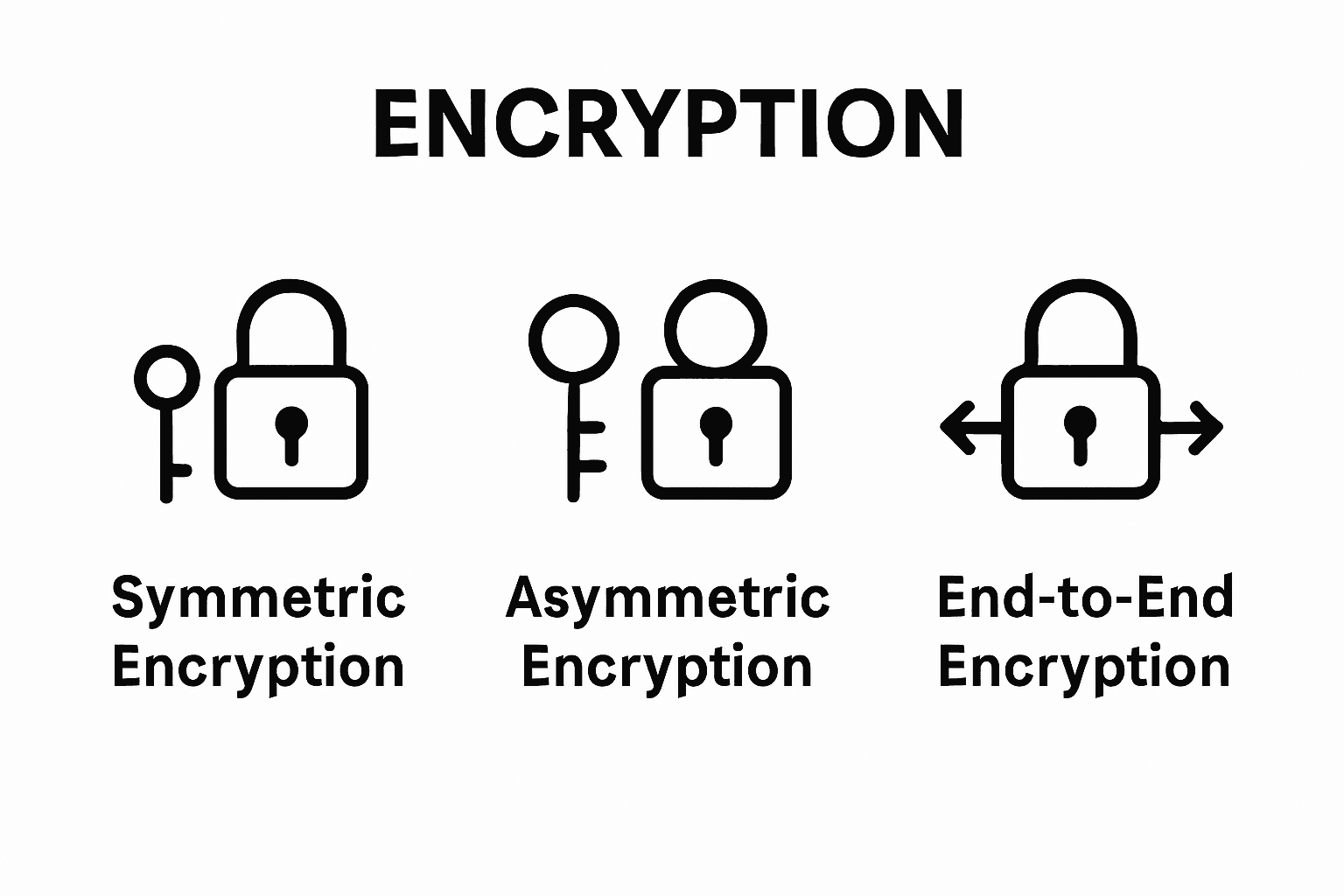
- Symmetric Encryption: Uses identical keys for encoding and decoding files
- Asymmetric Encryption: Employs different public and private keys for enhanced security
- End-to-End Encryption: Ensures files remain encrypted during entire transmission process
Authentication and Access Control Systems
Secure file sharing platforms implement multi-layered authentication processes that verify user identities before granting document access. These systems go beyond traditional username and password protocols by incorporating advanced verification techniques.
Authentication strategies typically involve:
- Multi-Factor Authentication: Requiring multiple proof points like passwords, biometrics, or security tokens
- Role-Based Access Control: Limiting file access based on organizational hierarchies and job responsibilities
- Continuous User Verification: Periodic re-authentication during active sessions
Tracking and Compliance Monitoring
Comprehensive secure file sharing solutions integrate detailed tracking and monitoring capabilities that create comprehensive audit trails. These systems document every interaction with shared files, providing organizations with transparent records of data movement and access.
Advanced platforms generate detailed logs capturing:
- User Identity: Precise identification of individuals accessing files
- Timestamp Information: Exact date and time of file interactions
- Action Details: Specific activities like viewing, editing, downloading, or sharing
By combining sophisticated encryption, rigorous authentication protocols, and meticulous tracking mechanisms, secure file sharing solutions create a holistic approach to protecting sensitive organizational information throughout its digital lifecycle.
Key Concepts in Secure File Sharing Technology
Secure file sharing technology represents a complex ecosystem of interconnected security principles and technological innovations designed to protect digital information during transfer and storage. Understanding these fundamental concepts is crucial for organizations seeking to implement robust data protection strategies.
Cryptographic Foundations
At the heart of secure file sharing lie sophisticated cryptographic principles that transform data into unreadable formats for unauthorized users. According to National Institute of Standards and Technology, cryptography serves as the primary mechanism for maintaining data confidentiality and integrity.
Critical cryptographic concepts include:
- Public Key Infrastructure: A system managing digital certificates and encryption keys
- Cryptographic Algorithms: Mathematical processes that encode and decode information
- Digital Signatures: Verification mechanisms ensuring document authenticity and origin
Information Access and Control Paradigms
Secure file sharing technologies go beyond simple encryption by implementing sophisticated access control mechanisms. These systems create granular permission structures that determine how, when, and by whom digital information can be accessed, modified, or shared.
Key access control principles encompass:
- Principle of Least Privilege: Granting users minimum necessary access rights
- Dynamic Access Management: Real-time adjustments to user permissions
- Contextual Access Controls: Restricting access based on user location, device, or time
Compliance and Risk Management Frameworks
Modern secure file sharing solutions integrate comprehensive compliance and risk management strategies that align with international regulatory standards. These frameworks ensure that data handling practices meet stringent legal and industry-specific requirements.
Comprehensive risk management approaches typically involve:
-
Continuous Threat Monitoring: Automated systems detecting potential security vulnerabilities
-
Comprehensive Audit Trails: Detailed logging of all file interactions and access attempts
-
Incident Response Protocols: Predefined procedures for managing potential security breaches
By understanding these intricate technological concepts, organizations can develop more sophisticated and resilient approaches to protecting their digital assets in an increasingly complex technological landscape.
Real-World Applications of Secure File Sharing
Secure file sharing solutions have become indispensable across various industries, transforming how organizations manage, transfer, and protect sensitive digital information. These technologies provide critical infrastructure for businesses seeking to maintain data integrity, collaboration efficiency, and regulatory compliance.
Healthcare and Medical Information Management
In the healthcare sector, secure file sharing solutions play a pivotal role in protecting patient data and enabling seamless medical collaboration. According to HIPAA Journal, medical institutions require sophisticated file sharing platforms that ensure patient confidentiality while supporting efficient information exchange.
Key healthcare applications include:
- Electronic Medical Records Transfer: Securely sharing patient histories between healthcare providers
- Research Collaboration: Protecting sensitive medical research data
- Telemedicine Communication: Enabling secure consultation and diagnostic information sharing
Financial Services and Regulatory Compliance
Financial institutions rely on secure file sharing solutions to protect sensitive financial documents, maintain client confidentiality, and meet stringent regulatory requirements. These platforms help organizations navigate complex compliance landscapes while facilitating secure information exchange.
Critical financial use cases encompass:
- Client Document Management: Securely storing and sharing financial reports
- Interbank Communication: Protecting sensitive transaction and compliance documentation
- Audit Trail Maintenance: Creating comprehensive records of financial information transfers
Legal and Professional Services
Law firms and professional service providers utilize secure file sharing technologies to protect confidential client information, manage sensitive legal documents, and maintain attorney-client privilege. These solutions enable secure collaboration while ensuring data integrity and regulatory compliance.
Significant legal applications include:
- Case File Management: Securely sharing and collaborating on legal documents
- Client Information Protection: Maintaining confidentiality of sensitive legal communications
- Cross-Firm Collaboration: Enabling secure information exchange between legal teams
These real-world applications demonstrate how secure file sharing solutions have evolved from optional technological tools to essential infrastructure across multiple professional domains, addressing critical needs for data protection, collaboration, and regulatory compliance.
The table below organizes major industry-specific applications of secure file sharing, helping readers understand how different sectors leverage these solutions for data protection and compliance.
| Industry | Key Applications | Primary Benefits |
|---|---|---|
| Healthcare | Medical record transfers, research collaboration, telemedicine sharing | Patient privacy, regulatory compliance |
| Financial Services | Client reports, interbank docs, audit trail management | Data security, regulatory adherence |
| Legal Services | Case file management, client communications, cross-firm collaboration | Client confidentiality, secure sharing |
Ready to Safeguard Your Sensitive Business Data?
Are you concerned about keeping your business files secure and compliant? The article above highlights threats like data breaches, regulatory fines, and the need for robust encryption and audit trails. Many small and medium businesses face the challenges of choosing the right secure file sharing solutions while balancing cost, compliance, and productivity. It is easy to feel overwhelmed with evolving cyber risks and strict regulations.
At SRS Networks, we turn these worries into peace of mind. Our IT experts help Central California organizations navigate secure file sharing, setting up advanced encryption, multi-factor authentication, and custom access controls to fit your needs. We understand your local compliance requirements and offer personalized solutions for industries like healthcare, legal, and finance. Partner with us to protect your business today and avoid becoming yet another statistic. Ready to strengthen your data defenses? Talk to us now to start your journey toward secure, efficient, and compliant information sharing. Your data security cannot wait.
Frequently Asked Questions
What are secure file sharing solutions?
Secure file sharing solutions are digital platforms designed to transfer, store, and manage files with a focus on data protection and privacy. They implement advanced security protocols to safeguard sensitive information from unauthorized access and cyber threats.
How do secure file sharing solutions enhance data security?
Secure file sharing solutions enhance data security through various mechanisms such as encryption, access controls, and audit trails. They ensure that files remain protected during transmission and storage, while also allowing organizations to track file interactions and monitor user activity.
Why is secure file sharing important for businesses?
Secure file sharing is essential for businesses to protect sensitive information, comply with regulations, and facilitate efficient collaboration. It helps mitigate risks related to data breaches, legal penalties, and operational disruptions, ultimately supporting business growth.
What features should organizations look for in secure file sharing solutions?
Organizations should seek features such as end-to-end encryption, multi-factor authentication, role-based access control, and comprehensive audit trails. These elements provide the necessary security and compliance needed to protect sensitive information in a business environment.