Proactive IT management is changing how Bay Area businesses handle their technology. It is not about waiting for things to break anymore. Instead, companies using this approach see results like minimizing downtime by as much as 50 percent compared to traditional methods. Most expect IT issues to show up without warning and slow everything down, but that is actually avoidable. Shifting from reactive fixes to forward-thinking strategies turns IT from a headache into a real competitive edge.
Table of Contents
- What Is Proactive IT Management?
- Key Benefits For Bay Area Organizations
- Core Strategies For Effective Implementation
- Choosing The Right IT Partner Locally
Quick Summary
| Takeaway | Explanation |
|---|---|
| Embrace Proactive IT Management | Shift from reactive to proactive strategies for technology oversight. |
| Continuous Monitoring is Essential | Regular system tracking can prevent issues before they escalate. |
| High-Quality IT Partners Matter | Choose local partners with technical expertise and cultural alignment. |
| Develop Comprehensive Technology Strategies | Thoroughly assess and optimize IT infrastructure for efficiency. |
| Invest in Team and Skills Development | Enhance your team’s skills to support effective IT management practices. |
What Is Proactive IT Management?
Proactive IT management represents a strategic approach that transforms how businesses handle their technology infrastructure, shifting from a reactive problem-solving model to a preventative, anticipatory system of technology oversight. Unlike traditional IT support that responds to issues after they occur, proactive IT management focuses on continuous monitoring, predictive maintenance, and strategic planning to prevent potential technological disruptions before they impact business operations.
Understanding the Core Principles
At its fundamental level, proactive IT management is about staying ahead of potential technology challenges. According to Athens Micro, this approach involves continuous monitoring and regular maintenance of IT systems to ensure they operate at peak performance. This means implementing comprehensive strategies that go beyond simple troubleshooting, instead creating a holistic framework for technology management.
The methodology encompasses several key components:
- Continuous Monitoring: Real-time tracking of system performance, network health, and potential vulnerabilities
- Predictive Maintenance: Identifying and addressing potential issues before they escalate
- Strategic Planning: Aligning IT infrastructure with broader business objectives
The Strategic Advantage of Proactive Management
Businesses that adopt proactive IT management gain significant competitive advantages. Finite Tech highlights that this approach ensures IT systems are not just maintained, but optimized to support organizational goals. By anticipating potential challenges, businesses can:
- Minimize unexpected downtime
- Reduce overall technology-related risks
- Improve system performance and reliability
- Optimize technology investments
Proactive IT management goes beyond simple technical maintenance. It represents a comprehensive approach to technology that treats IT infrastructure as a strategic asset rather than a reactive service. This means constantly evaluating current systems, predicting future technological needs, and creating robust frameworks that can adapt to changing business requirements.
For small to medium-sized businesses in the Bay Area, this approach is particularly critical. With technology evolving rapidly and cybersecurity threats becoming increasingly sophisticated, waiting to respond to problems is no longer a viable strategy. Proactive IT management ensures that organizations remain agile, secure, and technologically competitive.
The transformation from reactive to proactive IT management requires a fundamental shift in mindset. It demands continuous learning, advanced monitoring tools, and a deep understanding of both technological trends and specific business needs. By embracing this approach, businesses can turn their IT infrastructure from a potential point of vulnerability into a strategic advantage that drives growth, innovation, and operational efficiency.
Key Benefits for Bay Area Organizations
Proactive IT management delivers transformative advantages for Bay Area organizations, particularly in a region known for its technological innovation and competitive business environment. By implementing strategic, forward-thinking technology approaches, businesses can unlock substantial operational improvements that directly impact their bottom line and competitive positioning.
Enhanced Operational Efficiency and Cost Management
For Bay Area organizations, proactive IT management represents a critical strategy for optimizing operational performance. According to research from ArXiv, integrating proactive IT management with organizational resources can significantly enhance a company’s competitive advantage. This approach goes beyond traditional maintenance, focusing on preventing potential issues before they disrupt business operations.
Key efficiency benefits include:
- Reduced Downtime: Minimizing unexpected system failures
- Predictive Maintenance: Addressing potential technological issues before they escalate
- Resource Optimization: Strategically allocating IT budgets and personnel
Strategic Risk Mitigation and Security
In an era of increasingly sophisticated cybersecurity threats, proactive IT management becomes a critical defensive strategy. Continuous integration research indicates that organizations implementing proactive monitoring and deployment practices improve system reliability and accelerate technological responsiveness.
For Bay Area businesses, this translates into:
- Comprehensive threat detection
- Rapid vulnerability identification
- Continuous system hardening
- Compliance with industry-specific regulatory requirements

Competitive Technological Positioning
Proactive IT management enables Bay Area organizations to stay ahead of technological curves. By exploring our comprehensive IT strategy guide, businesses can understand how strategic technology management creates competitive advantages.
Research demonstrates that organizations embracing proactive approaches experience:
- Faster technological adaptation
- More efficient innovation cycles
- Better alignment between technological capabilities and business objectives
- Improved stakeholder confidence
The Bay Area’s unique business ecosystem demands agility and technological sophistication. Proactive IT management provides a structured approach to meeting these complex requirements, transforming potential technological challenges into strategic opportunities.
For small to medium-sized businesses, this approach means more than just maintaining systems. It represents a comprehensive strategy that treats technology as a dynamic, integral component of organizational success. By anticipating needs, preventing issues, and continuously optimizing technological resources, Bay Area organizations can create robust, adaptable infrastructures that support sustained growth and innovation.
Core Strategies for Effective Implementation
Implementing proactive IT management requires a strategic, comprehensive approach that goes beyond simple technological interventions. For Bay Area organizations, successful implementation demands a carefully crafted strategy that aligns technological capabilities with broader business objectives, ensuring both immediate performance improvements and long-term organizational resilience.
Comprehensive Technology Assessment and Mapping
The foundation of effective proactive IT management lies in conducting a thorough, systematic assessment of existing technological infrastructure. This process involves more than just identifying current system capabilities. According to research on change management in IT environments, organizations must develop a comprehensive understanding of their technological ecosystem, including potential vulnerabilities, performance bottlenecks, and strategic opportunities.
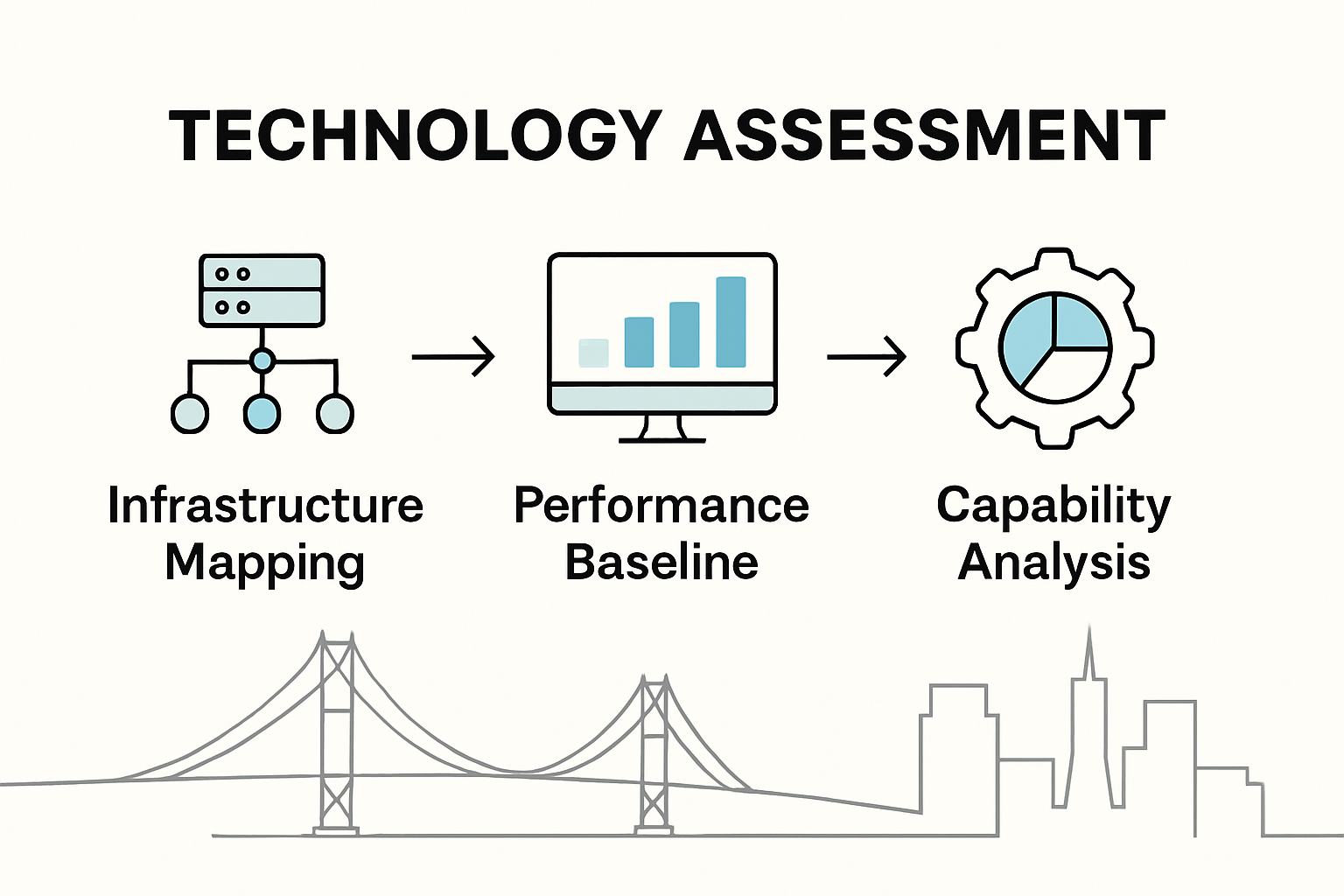
Key components of a robust technology assessment include:
- Infrastructure Mapping: Detailed documentation of all technological assets
- Performance Baseline: Establishing current system performance metrics
- Capability Analysis: Identifying potential technological constraints and opportunities
- Risk Assessment: Evaluating potential security and operational vulnerabilities
Implementing Continuous Monitoring and Predictive Analytics
Continuous monitoring transforms proactive IT management from a reactive approach to a predictive strategy. Research on continuous integration and deployment highlights the critical importance of real-time system tracking and advanced analytics in maintaining technological resilience.
Effective monitoring strategies encompass:
- Automated system performance tracking
- Real-time threat detection mechanisms
- Predictive maintenance algorithms
- Advanced anomaly detection systems
Strategic Skill Development and Team Alignment
Technology is ultimately driven by people. Successful proactive IT management requires a holistic approach to skill development and organizational culture. Explore our guide on strategic IT skill development to understand how human capabilities drive technological innovation.
Key focus areas for team development include:
- Technical Training: Continuous skill upgrades for IT personnel
- Cross-functional Collaboration: Breaking down departmental silos
- Strategic Thinking: Developing a proactive, forward-looking mindset
- Change Management: Creating organizational adaptability
Implementing proactive IT management is not a one-time project but an ongoing strategic initiative. Bay Area organizations must view this approach as a dynamic, evolving process that requires continuous investment, learning, and adaptation. The most successful implementations recognize that technological strategy is fundamentally about creating flexible, responsive systems that can anticipate and address challenges before they emerge.
For small to medium-sized businesses, this means developing a nuanced approach that balances technological sophistication with practical, budget-conscious implementation. It requires leadership commitment, ongoing investment in skills and tools, and a cultural shift towards viewing technology as a strategic enabler rather than a mere operational necessity.
Ultimately, effective proactive IT management transforms technological infrastructure from a potential source of complexity and risk into a powerful strategic asset that drives organizational innovation, efficiency, and competitive advantage.
Choosing the Right IT Partner Locally
Selecting the right local IT partner is a critical decision for Bay Area businesses seeking to implement proactive IT management. The ideal partner should not only provide technical expertise but also understand the unique technological landscape and business challenges specific to the region.
Evaluating Technical Expertise and Local Understanding
Choosing an IT partner requires a comprehensive assessment of their capabilities and alignment with your business objectives. According to Forbes, effective communication is paramount in selecting an IT service provider. The right partner should demonstrate a clear understanding of your specific business needs and show genuine interest in your technological challenges.
Key evaluation criteria include:
- Technical Certifications: Verifiable professional credentials
- Local Experience: Proven track record in the Bay Area
- Industry-Specific Knowledge: Understanding of sector-specific technological requirements
- Responsiveness: Ability to provide timely and effective support
Communication and Partnership Approach
Research from the FDIC emphasizes the importance of direct communication when selecting an IT service provider. The ideal partner should be more than just a vendor they should be a true technological collaborator who can anticipate your organization’s evolving needs.
Critical communication attributes to look for:
- Transparent and clear communication
- Proactive problem-solving approach
- Willingness to explain technical concepts
- Regular and structured reporting
Cultural and Strategic Alignment
Beyond technical capabilities, the right IT partner must align with your organization’s culture and strategic vision. Explore our approach to strategic IT partnerships to understand the depth of collaboration required for successful technological management.
According to Kelser Corporation, successful IT partnerships are characterized by providers who are:
- Inquisitive about your business
- Supportive and collaborative
- Flexible and adaptable
- Proactive in identifying potential improvements
- Transparent in their processes
For Bay Area businesses, the local IT partner selection process goes beyond traditional vendor relationships. It represents a strategic decision that can significantly impact technological capabilities, operational efficiency, and competitive positioning. The right partner becomes an extension of your internal team, offering insights, expertise, and support that drive technological innovation.
Small to medium-sized businesses should prioritize partners who demonstrate not just technical proficiency, but a genuine commitment to understanding their unique challenges. This means seeking out providers who take the time to learn about your specific industry, business model, and long-term objectives.
Ultimately, the ideal IT partner will help transform technological management from a cost center to a strategic asset. They will provide more than just technical support they will offer a collaborative approach that aligns technology with your broader business strategy, enabling continuous improvement and innovation.
Frequently Asked Questions
What is proactive IT management?
Proactive IT management is a strategic approach that focuses on anticipating and preventing potential technology issues rather than just responding to them after they occur. It involves continuous monitoring, predictive maintenance, and strategic planning to optimize IT infrastructure and enhance performance.
What are the key benefits of proactive IT management for Bay Area businesses?
The key benefits include enhanced operational efficiency, reduced downtime, strategic risk mitigation in cybersecurity, improved system performance, and better alignment of IT capabilities with business objectives.
How can Bay Area organizations implement proactive IT management?
Organizations can implement proactive IT management by conducting comprehensive technology assessments, establishing continuous monitoring systems, utilizing predictive analytics, and fostering team development through training and collaboration.
Why is choosing the right IT partner important for proactive IT management?
Choosing the right IT partner is crucial because they provide technical expertise and an understanding of local business challenges. A good partner aligns strategically with your organization, supports proactive communication, and enhances the technological capabilities necessary for successful IT management.
Take Control of IT Before Problems Take Control of You
Are you tired of waiting for technology issues to disrupt your business? Many Bay Area businesses, just like yours, struggle with unexpected downtime, data vulnerabilities, and costly gaps in efficiency. The article on Proactive IT Management highlights how continuous monitoring and forward-thinking strategies turn IT headaches into real growth opportunities. At SRS Networks, we do more than just fix issues—we help you anticipate and prevent them. By blending local insight with proven expertise, we tailor managed IT services, advanced cybersecurity, and cloud solutions to fit your business goals. Experience the peace of mind that comes from knowing your technology is protected and optimized every day.
Experience a new level of business resilience. Let our team at SRS Networks show you how a proactive partnership can minimize risks, drive efficiency, and support your success. If you are ready to stop reacting and start thriving, connect with us today for a consultation tailored to your unique needs.