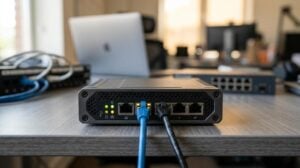
Did you know that nearly 60 percent of small businesses close within six months of experiencing a major cyberattack? Reliable network monitoring is no longer a luxury reserved for large corporations. Businesses of every size in the Monterey Bay Area rely on their networks to serve customers and protect sensitive data. Understanding the true capabilities of network monitoring, and setting aside common myths, prepares organizations to keep their systems safe, running smoothly, and ready for growth.
Table of Contents
- Defining Network Monitoring and Common Myths
- Key Types of Network Monitoring Solutions
- Core Functions and How Monitoring Works
- Essential Features for SMB Network Security
- Compliance, Costs, and Avoidable Mistakes
Key Takeaways
| Point | Details |
|---|---|
| Proactive Network Monitoring | Small and medium-sized businesses should implement network monitoring to identify issues before they escalate, enhancing overall system performance and security. |
| Importance of Diverse Solutions | Different network monitoring solutions, such as SNMP and NetFlow monitoring, provide unique insights essential for understanding network health and performance. |
| Essential Security Features | SMBs must adopt multi-layered security measures, including intrusion detection systems and regular security audits, to effectively protect their digital assets from cyber threats. |
| Avoid Common Pitfalls | Organizations should avoid neglecting updates and comprehensive security protocols to maintain compliance and mitigate risks associated with network vulnerabilities. |
Defining Network Monitoring and Common Myths
Network monitoring is the strategic process of continuously observing and analyzing your organization’s digital infrastructure to ensure optimal performance, security, and reliability. According to Coursera, network monitoring involves “continuously overseeing a network to identify issues like server overloads or unexpected spikes in usage.”
Contrary to popular belief, network monitoring isn’t just for large enterprises with complex IT environments. Small and medium-sized businesses in the Monterey Bay Area face similar technological challenges and require robust monitoring strategies. Network monitoring helps businesses proactively detect potential problems before they escalate into critical system failures or security breaches.
Several persistent myths can prevent organizations from implementing effective network monitoring practices. As GeeksforGeeks highlights, one prevalent misconception is that network monitoring is solely about security. In reality, it serves multiple critical functions:
- Performance optimization
- Early problem detection
- Bandwidth management
- Compliance tracking
- Resource allocation planning
Effective network monitoring goes beyond simply tracking potential security threats. It provides comprehensive insights into your technological ecosystem, helping businesses make informed decisions about infrastructure investments, understand usage patterns, and maintain consistently high system performance. By debunking these myths and understanding the true value of network monitoring, organizations can transform their approach from reactive troubleshooting to proactive strategic management.
Key Types of Network Monitoring Solutions
Network monitoring solutions encompass several sophisticated techniques designed to help businesses understand and optimize their digital infrastructure. According to Coursera, the main categories include SNMP-based monitoring, flow-based monitoring, and active monitoring – each offering unique insights into network performance and health.
SNMP-based monitoring uses the Simple Network Management Protocol to track real-time resource metrics, providing organizations with granular visibility into device performance. Flow-based monitoring analyzes user data to gather comprehensive statistics on network usage, helping businesses understand traffic patterns and potential bottlenecks. As GeeksforGeeks highlights, these techniques also extend to specialized approaches like NetFlow monitoring and SQL query monitoring.
The key types of network monitoring solutions can be broken down into the following strategic approaches:
Here’s a comparison of key network monitoring solutions and the insights they provide:
| Monitoring Type | Main Function | Insights Provided |
|---|---|---|
| SNMP Monitoring | Device-level performance tracking | Resource usage Status alerts |
| NetFlow Monitoring | Traffic pattern analysis | Bandwidth usage Bottleneck detection |
| Active Monitoring | Proactive testing | Response times Service uptime |
| Packet Capture | Deep packet analysis | Security threats Network anomalies |
| SQL Query Monitoring | Database query tracking | Query speed Database issues |
- SNMP Monitoring: Collects device-level performance data
- NetFlow Monitoring: Captures and analyzes network traffic patterns
- Active Monitoring: Proactively tests network responsiveness
- Packet Capture: Provides deep packet-level network insights
- SQL Query Monitoring: Tracks database performance within network infrastructure
For small and medium-sized businesses in the Monterey Bay Area, understanding these monitoring types is crucial. Each solution offers different perspectives on network health, allowing organizations to choose the most appropriate approach based on their specific technological needs and infrastructure complexity. By implementing a comprehensive monitoring strategy, businesses can ensure optimal performance, quickly identify potential issues, and maintain a robust and efficient network environment.

Core Functions and How Monitoring Works
Network monitoring is a sophisticated process that enables businesses to maintain their technological infrastructure with precision and proactive insight. According to Coursera, network monitoring software performs critical functions like “creating network maps to visualize device interconnections, generating performance reports to assess network health, and providing alerts to administrators about performance issues as they arise.”
The core mechanism of network monitoring involves continuous observation and analysis of digital traffic and system performance. Packet capturing emerges as a fundamental technique, where network monitoring tools meticulously analyze and record data packets to identify potential performance bottlenecks, security vulnerabilities, and operational inefficiencies. As GeeksforGeeks explains, this process involves “continuously observing network traffic to detect issues such as system failures or slow traffic.”
Key core functions of network monitoring include:
- Real-time performance tracking
- Anomaly detection and alerting
- Bandwidth utilization analysis
- Device and connection status monitoring
- Predictive infrastructure health assessment
For small and medium-sized businesses in the Monterey Bay Area, understanding these monitoring functions is crucial. Network monitoring transforms raw data into actionable insights, helping organizations preemptively address potential technological challenges before they escalate into critical system failures. By implementing comprehensive monitoring strategies, businesses can ensure robust network performance, optimize resource allocation, and maintain a secure and efficient digital ecosystem.
Essential Features for SMB Network Security
Network security represents a critical defense strategy for small and medium-sized businesses seeking to protect their digital assets from increasingly sophisticated cyber threats. According to UMA Technology, essential features for SMB network security include implementing Intrusion Detection and Prevention Systems (IDPS) to monitor network traffic for malicious activity, deploying Security Information and Event Management (SIEM) systems for real-time threat detection, and utilizing network traffic analysis tools to monitor bandwidth usage and detect anomalies.
The landscape of network security demands a comprehensive approach that goes beyond traditional perimeter defenses. Modern SMBs require multi-layered security solutions that can adapt to evolving cyber risks. As Boston University highlights, key features involve deploying network monitoring technologies that examine traffic to detect and prevent security breaches, ensuring comprehensive protection against unauthorized access and potential threats.
Critical network security features for SMBs include:
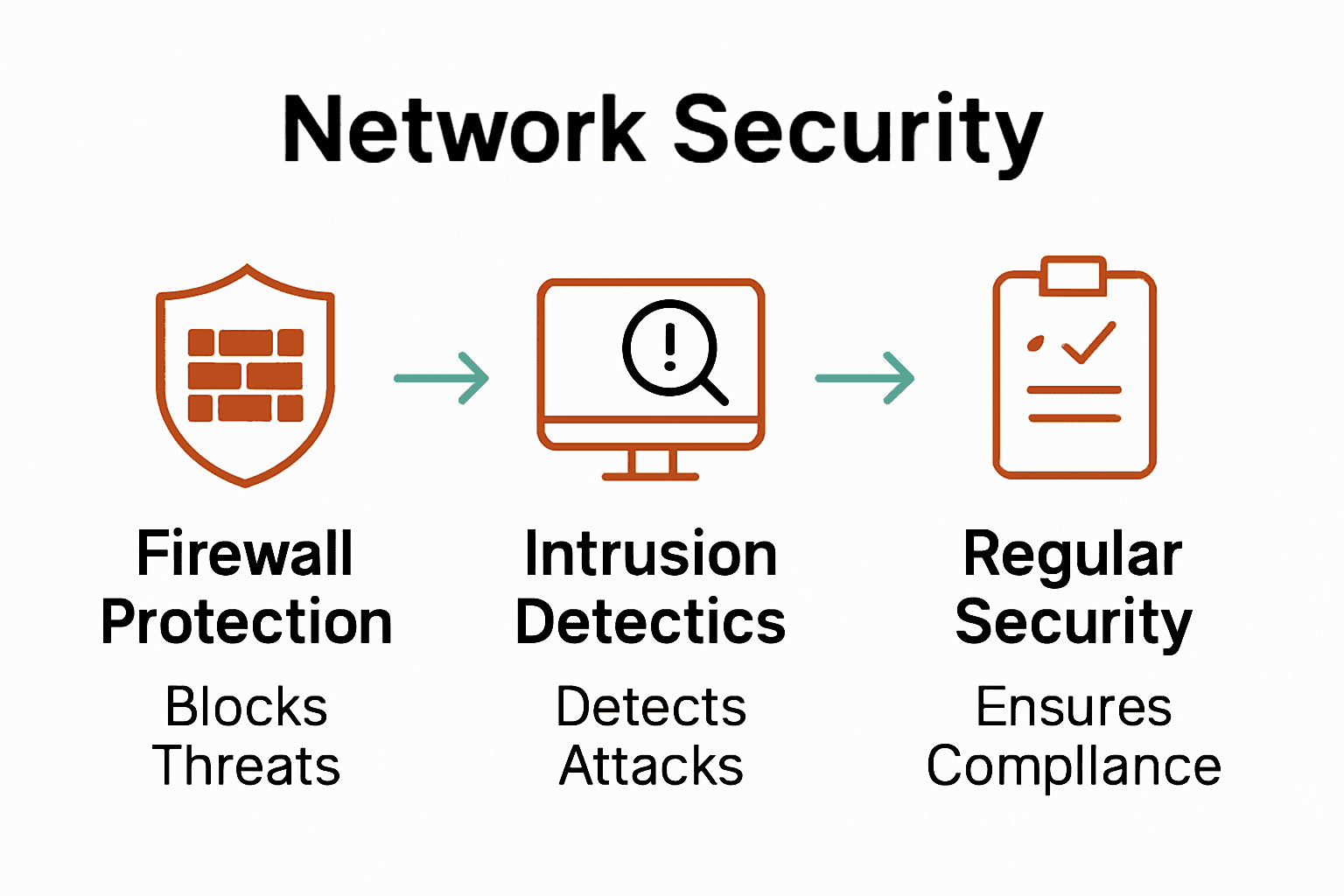
- Firewall Protection: Blocking unauthorized network access
- Intrusion Detection Systems: Real-time threat monitoring
- Endpoint Security: Protecting individual devices
- Network Segmentation: Limiting potential breach impacts
- Automated Threat Response: Rapid incident mitigation
- Regular Security Audits: Continuous vulnerability assessment
For businesses in the Monterey Bay Area, implementing these essential network security features is not just a technical requirement but a strategic imperative. By adopting a proactive and comprehensive approach to network monitoring and security, organizations can safeguard their digital infrastructure, protect sensitive data, and maintain the trust of their clients and stakeholders. The right network security strategy transforms potential vulnerabilities into a robust, resilient technological ecosystem.
Compliance, Costs, and Avoidable Mistakes
Network monitoring for small and medium-sized businesses involves navigating a complex landscape of regulatory requirements, financial considerations, and potential technological pitfalls. According to Department of Homeland Security, compliance with cybersecurity standards is crucial for SMBs to protect sensitive data and maintain trust, with investing in appropriate network monitoring tools proving to be a cost-effective strategy for preventing potentially expensive security breaches.
The financial implications of network monitoring extend beyond immediate tool acquisition. Organizations must consider not just the upfront costs, but the potential long-term savings from preventing data breaches and maintaining operational continuity. As National Center for Education Statistics highlights, SMBs should be acutely aware of the costs associated with network security measures and the potentially devastating financial consequences of inadequate monitoring.
Common mistakes SMBs should avoid include:
- Neglecting regular system updates
- Improper configuration of monitoring tools
- Failing to establish comprehensive security protocols
- Underestimating the importance of employee training
- Overlooking periodic security assessments
- Ignoring emerging cybersecurity threats
For businesses in the Monterey Bay Area, understanding these compliance challenges and potential pitfalls is essential. Effective network monitoring is not a one-time investment but an ongoing commitment to technological resilience. By proactively addressing potential vulnerabilities, implementing robust monitoring strategies, and staying informed about evolving cybersecurity landscapes, organizations can transform potential risks into opportunities for enhanced operational security and strategic technological management.
Take Control of Your Network with Local Expertise and Proven Solutions
The challenges of ensuring constant network monitoring, security, and compliance are real for SMBs in the Monterey Bay Area. The article highlights how critical functions like real-time performance tracking, anomaly detection, and intrusion prevention help businesses stay ahead of costly downtime and cyber threats. If your organization struggles with understanding these complexities or fears falling behind on critical network security features, you are not alone. You deserve a partner who listens, strategizes, and delivers tailored solutions to keep your systems secure and your business thriving.
At SRS Networks, we specialize in transforming these network monitoring essentials into simple, effective technology strategies. Whether you need comprehensive cybersecurity solutions, proactive managed IT services, or secure network infrastructure tailored to your unique workflow, our local team is ready to bring enterprise-grade expertise with a personal touch. Discover how our flat-rate, proactive support can help you prevent system failures and manage compliance without the headaches.
Secure your business future now by partnering with SRS Networks, your trusted IT service provider serving the Monterey Bay Area with personalized, reliable, and cost-effective network monitoring and security. Explore our offerings in Managed IT Services and Cybersecurity Solutions to build a resilient network foundation that grows with your business.
Ready to protect your network and enhance performance before problems arise?
Contact SRS Networks today at https://srsnetworks.net to learn how we can customize a network monitoring and security solution that fits your needs and budget. Don’t wait for critical failures or compliance issues to become costly challenges. Take the first step toward proactive IT management now.
Frequently Asked Questions
What is network monitoring?
Network monitoring is the continuous process of observing and analyzing an organization’s digital infrastructure to ensure optimal performance, security, and reliability. It helps identify issues like server overloads or unexpected spikes in usage.
What types of network monitoring solutions are available?
Key types of network monitoring solutions include SNMP-based monitoring, NetFlow monitoring, active monitoring, packet capture, and SQL query monitoring. Each offers unique insights into network performance and health suitable for different needs.
How can network monitoring benefit small and medium-sized businesses?
Network monitoring empowers small and medium-sized businesses by providing early problem detection, performance optimization, bandwidth management, and compliance tracking, allowing them to proactively address potential issues before they escalate.
What essential features should SMBs consider for network security?
Small and medium-sized businesses should consider features such as firewall protection, intrusion detection systems, endpoint security, network segmentation, automated threat response, and regular security audits to safeguard their digital assets.