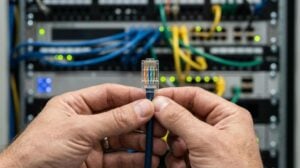
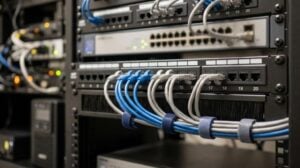
Every Bay Area business relies on technology, but the infrastructure behind it is constantly evolving. Turns out, nearly 76 percent of organizations now view IT infrastructure as a strategic asset, not just a cost of doing business. So why are so many still treating their tech setup like an afterthought? The reality is that what happens behind the scenes often makes the difference between standing out and getting left behind.
Table of Contents
- Understanding IT Infrastructure Basics
- Key Components for Bay Area Businesses
- Benefits of a Modern IT Infrastructure
- Best Practices for Local Organizations
Quick Summary
| Takeaway | Explanation |
|---|---|
| View IT infrastructure as a strategic asset. | Effective IT infrastructure directly influences operational efficiency, innovation, and competitive positioning within an organization. |
| Invest in modern security solutions. | Implementing robust cybersecurity frameworks protects sensitive data and ensures operational resilience against digital threats. |
| Emphasize infrastructure scalability and flexibility. | Design infrastructure that can rapidly adapt to changing business requirements, enabling growth and innovation in dynamic markets. |
| Adopt cloud and hybrid models for optimization. | Leveraging cloud technologies allows organizations to improve resource efficiency and enhance overall performance through continuous assessment and refinement. |
| Implement proactive infrastructure planning practices. | Develop forward-thinking strategies that include regular performance evaluations and technology assessments to align infrastructure with organizational goals. |
Understanding IT Infrastructure Basics
IT infrastructure represents the foundational technological ecosystem that enables modern businesses to operate efficiently and effectively. At its core, this complex network of interconnected systems, hardware, software, and services forms the digital backbone that supports an organization’s operational capabilities.
The Fundamental Architecture
An IT infrastructure is more than just a collection of computers and network equipment. It is a strategically designed framework that encompasses physical and virtual components working harmoniously to support business processes. University of Wisconsin-Madison’s IT Infrastructure guide defines these infrastructure components as critical technological assets that help organizations align their technological capabilities with operational objectives.
The architecture typically includes servers, storage systems, networking equipment, operating systems, and telecommunications infrastructure. Each component plays a specific role in ensuring data flows smoothly, securely, and efficiently across an organization. For instance, servers provide computational power and host critical applications, while networking components enable communication between different systems and external networks.
To help readers quickly understand the core elements and their roles in IT infrastructure, the following table summarizes main components and their purpose as discussed in the article:
| Component | Purpose |
|---|---|
| Servers | Provide computational power and host applications |
| Storage Systems | Store and manage organizational data |
| Networking Equipment | Enable communication between systems and networks |
| Operating Systems | Facilitate interaction between hardware and software |
| Telecommunications | Support connectivity and external communications |
| Cloud Platforms | Offer scalable, flexible resource management |
| Security Frameworks | Protect against cyber threats and ensure reliability |
Components and Interdependencies
Effective IT infrastructure requires careful integration of various technological elements. Hardware components like servers, workstations, and data storage devices form the physical foundation. These are complemented by software systems including operating systems, enterprise applications, and management tools that enable operational functionality.
Networking infrastructure serves as the critical communication layer, connecting different technological components through routers, switches, firewalls, and telecommunications systems. These networking elements ensure data transmission, internet connectivity, and security protocols are maintained consistently across the organization’s digital ecosystem.
Moreover, modern IT infrastructure extends beyond traditional on-premises setups. Cloud computing and hybrid infrastructure models have transformed how organizations design and manage their technological resources. These approaches offer greater flexibility, scalability, and cost-effectiveness compared to traditional infrastructure models.
Strategic Importance
Understanding IT infrastructure goes beyond technical comprehension. It represents a strategic asset that directly impacts an organization’s operational efficiency, competitive advantage, and ability to innovate. A well-designed infrastructure enables businesses to:
- Enhance Productivity: Streamline workflow processes and reduce technological bottlenecks
- Ensure Security: Implement robust protection mechanisms against cyber threats
- Support Scalability: Adapt technological resources to changing business requirements
- Enable Innovation: Provide a flexible platform for implementing emerging technologies
Organizations must view their IT infrastructure not as a static technological setup but as a dynamic, evolving ecosystem that requires continuous assessment, optimization, and strategic planning. By investing in comprehensive infrastructure design and management, businesses can create a resilient technological foundation that supports their long-term growth and operational objectives.
Key Components for Bay Area Businesses
The San Francisco Bay Area represents a unique technological ecosystem where businesses require sophisticated and adaptable IT infrastructure to remain competitive. This region’s dynamic business environment demands comprehensive technological solutions that can support rapid innovation, diverse industry needs, and complex operational requirements.
Infrastructure Tailored for Regional Innovation
Bay Area businesses operate in a complex technological landscape that demands specialized infrastructure components. University of California, Berkeley’s Campus IT Infrastructure demonstrates how strategic service integration can support organizational objectives. For technology firms, startups, and established enterprises in sectors ranging from biotechnology to financial services, key infrastructure components must address specific regional challenges.
Critical infrastructure elements include robust networking systems, cloud-based computing platforms, advanced cybersecurity frameworks, and scalable data management solutions. The technological infrastructure must support high-performance computing, enable seamless remote collaboration, and provide flexible resources that can quickly adapt to changing business requirements.
Intelligent Systems and Connectivity
The Metropolitan Transportation Commission’s Intelligent Transportation Systems Architecture illustrates how integrated technological systems can transform regional operations. Similarly, Bay Area businesses require interconnected infrastructure that supports intelligent data flow, real-time communication, and advanced operational capabilities.
Networking components play a crucial role in this ecosystem. High-speed internet connections, secure virtual private networks (VPNs), enterprise-grade routers, and advanced firewall systems form the communication backbone. These technologies ensure reliable data transmission, protect sensitive information, and enable businesses to maintain continuous operational efficiency.
Strategic Infrastructure Design
Effective IT infrastructure for Bay Area businesses goes beyond technical specifications. It represents a strategic asset that directly influences organizational performance, innovation potential, and competitive positioning. The infrastructure must be designed with several key considerations:
- Scalability: Ability to expand technological resources rapidly
- Flexibility: Supporting diverse work environments and technological shifts
- Security: Comprehensive protection against evolving cyber threats
- Performance: Delivering high-speed, reliable technological services
Businesses must view their IT infrastructure as a dynamic ecosystem that requires continuous assessment, optimization, and strategic planning. By investing in comprehensive infrastructure design, organizations can create a resilient technological foundation that supports growth, innovation, and operational excellence in the competitive Bay Area market.
The complexity of modern business technology demands a holistic approach. IT infrastructure is no longer just a support function but a critical strategic asset that can differentiate businesses in a rapidly evolving technological landscape. Learn more about our tailored IT solutions designed specifically for Bay Area organizations seeking robust, adaptive technological frameworks.
Benefits of a Modern IT Infrastructure
Modern IT infrastructure represents more than a technological upgrade. It is a strategic investment that transforms organizational capabilities, enabling businesses to compete effectively in an increasingly digital world. By implementing contemporary technological frameworks, companies can unlock substantial operational advantages that drive efficiency, innovation, and competitive positioning.

Operational Efficiency and Productivity
A modern IT infrastructure fundamentally reshapes how organizations approach technological resources. McKinsey & Company research highlights that agencies adopting agile methodologies and automating core IT activities can significantly enhance service delivery and productivity.
The key benefits include streamlined workflows, reduced manual interventions, and faster processing times. Advanced infrastructure enables real-time data analysis, automated decision-making processes, and seamless integration across different technological platforms. This translates into tangible business outcomes such as faster project completion, reduced operational costs, and enhanced resource allocation.
Enhanced Security and Reliability
GovTech reports that modern IT infrastructures provide robust cybersecurity frameworks that protect organizations against evolving digital threats. Contemporary infrastructure incorporates advanced security protocols, including multi-factor authentication, encrypted communication channels, and intelligent threat detection systems.
These technological safeguards protect sensitive business data, maintain customer trust, and ensure continuous operational resilience. By implementing sophisticated security measures, organizations can mitigate risks associated with cyber attacks, data breaches, and unauthorized access. The infrastructure becomes not just a technological asset but a critical shield protecting the organization’s digital ecosystem.
Innovation and Competitive Advantage
The Bay Area Council Economic Institute emphasizes that modern IT infrastructure serves as a catalyst for innovation. Smart technologies enable businesses to experiment, adapt, and rapidly respond to market changes. Cloud computing, artificial intelligence, and advanced analytics become accessible tools that can transform traditional business models.
Organizations with modern infrastructure can:
- Accelerate Digital Transformation: Quickly implement new technologies
- Support Remote Work: Enable flexible, distributed workforce models
- Improve Customer Experience: Deliver personalized, responsive services
- Enable Data-Driven Decision Making: Leverage real-time insights for strategic planning
By viewing IT infrastructure as a strategic asset rather than a cost center, businesses can unlock unprecedented opportunities for growth and differentiation. The ability to rapidly scale technological resources, integrate emerging technologies, and maintain operational agility becomes a significant competitive advantage.
Modern IT infrastructure is not just about technological capabilities but about creating a flexible, intelligent ecosystem that can adapt to changing business requirements. Explore our comprehensive infrastructure solutions designed to empower your organization’s technological potential and drive sustainable growth.
Best Practices for Local Organizations
Local organizations in the Bay Area face unique technological challenges that require strategic, comprehensive approaches to IT infrastructure management. Developing robust practices that address technological complexity, security requirements, and operational efficiency becomes crucial for sustainable growth and competitive advantage.
Strategic Infrastructure Planning
California Department of Education’s IT security guidelines underscore the importance of developing a comprehensive, forward-thinking infrastructure strategy. Local organizations must move beyond reactive technological approaches and adopt proactive, holistic planning methodologies.
Effective strategic planning involves conducting thorough technology assessments, understanding current operational needs, and anticipating future technological requirements. This approach requires collaboration across departments, mapping technological investments to organizational goals, and creating flexible frameworks that can adapt to emerging business challenges.
Key strategic planning components include:
- Comprehensive technology inventory
- Regular infrastructure performance evaluations
- Long-term technological roadmap development
- Budget allocation for continuous modernization
Cybersecurity and Risk Management
EdTech Magazine’s infrastructure modernization recommendations highlight the critical role of stakeholder engagement in developing robust security practices. Local organizations must implement multi-layered security strategies that protect against evolving digital threats while maintaining operational efficiency.
Cybersecurity best practices for local organizations include:
- Regular security awareness training
- Implementing multi-factor authentication
- Developing comprehensive incident response plans
- Conducting periodic vulnerability assessments
- Maintaining updated software and hardware systems
Organizations must also focus on creating a culture of security awareness, where employees understand their role in maintaining technological resilience. This involves ongoing education, clear communication protocols, and establishing transparent reporting mechanisms for potential security incidents.
Infrastructure Optimization and Efficiency
Alameda County’s Information Technology Department demonstrates how local organizations can leverage cloud technologies to optimize infrastructure efficiency. Modern infrastructure management goes beyond traditional technological deployment, emphasizing continuous improvement and resource optimization.
Optimization strategies include:
- Adopting cloud and hybrid infrastructure models
- Implementing automation and AI-driven management tools
- Reducing physical infrastructure footprint
- Developing scalable, flexible technological ecosystems
- Monitoring and analyzing infrastructure performance metrics
Below is a summary table outlining best practice categories for Bay Area organizations, along with the key actions and their intended outcomes as highlighted in the article:
| Best Practice | Key Actions | Intended Outcomes |
|---|---|---|
| Strategic Infrastructure Planning | Technology assessment, roadmap development, budgeting | Align infrastructure with goals, anticipate future needs |
| Cybersecurity and Risk Management | Security training, MFA, incident planning, vulnerability assessment | Protect data, reduce operational risks |
| Infrastructure Optimization | Cloud adoption, automation, performance monitoring | Improve efficiency, support scalability |
Local organizations must view infrastructure not as a static technological asset but as a dynamic, evolving system that requires continuous assessment and refinement. By embracing a holistic, strategic approach to IT infrastructure, businesses can create resilient technological foundations that support growth, innovation, and operational excellence.

Learn more about our tailored infrastructure optimization solutions designed specifically for local Bay Area organizations seeking comprehensive technological strategies.
Frequently Asked Questions
What is IT infrastructure and why is it important for Bay Area organizations?
IT infrastructure refers to the foundational technology systems, hardware, software, and services that enable organizations to operate efficiently. It is crucial for Bay Area businesses as it supports operational efficiency, innovation, and competitive advantage in a rapidly evolving digital landscape.
How can Bay Area organizations enhance their IT infrastructure for better security?
Organizations can enhance their IT infrastructure security by implementing robust cybersecurity frameworks, including multi-factor authentication, encryption, and regular vulnerability assessments. Ongoing education and security awareness training for employees are also critical.
What are the benefits of modernizing IT infrastructure?
Modernizing IT infrastructure can lead to improved operational efficiency, enhanced security, and increased innovation. Businesses can streamline workflows, reduce costs, and adapt quickly to changing market demands, providing a significant competitive advantage.
How do cloud and hybrid models impact IT infrastructure?
Cloud and hybrid models offer greater flexibility, scalability, and resource efficiency. They allow organizations to optimize their IT infrastructure by reducing the need for on-premises hardware while enabling rapid deployment of new technologies and services.
Ready to Transform Your IT Infrastructure in the Bay Area?
Are you struggling with outdated systems that slow down your operations or leave your business exposed to cyber threats? The article highlighted how viewing IT infrastructure as a strategic asset can make all the difference. Whether your goal is to secure sensitive data, improve network reliability, or enable your team’s agility through cloud solutions, these are not just technical issues but the key to staying competitive and confident in a fast-moving region like the Bay Area.
If your business lacks dedicated IT guidance or you are unsure if your current setup is holding you back, now is the moment to act. SRS Networks specializes in proactive, customized IT infrastructure solutions for small and mid-sized organizations across Central California. Our experts handle managed IT, robust cybersecurity, cloud migration, and network optimization, so you can focus on growth and peace of mind. Discover how our local team can help you modernize your IT environment for lasting results. The digital landscape will not wait and neither should you. Connect with SRS Networks today to unlock resilient, secure technology that empowers your success.