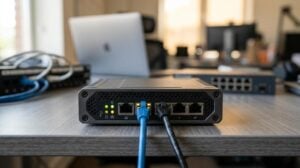
Picture this: you’re juggling a client presentation, a last‑minute invoice, and a sudden laptop crash that freezes your screen just as the deadline hits.
Does it feel like your tech is sabotaging your growth instead of powering it?
In the fast‑paced Bay Area, especially here in San Francisco, a single outage can cost a small business hundreds of dollars and a lot of goodwill.
That’s why many local owners turn to reliable it support services san francisco providers who can keep networks humming, data safe, and users productive without pulling you out of the office.
We’ve heard from a boutique design studio that lost a day’s worth of work because a mis‑configured firewall blocked their Adobe cloud apps—an issue that could’ve been spotted before it happened.
A medical clinic told us their patient portal went dark for three hours, triggering compliance alarms and upsetting patients who rely on timely access to records.
These stories share a common thread: reactive fixes are expensive, stressful, and prevent you from focusing on what you do best.
What if you could swap those frantic fire‑drills for a proactive partnership that monitors, patches, and optimizes your environment around the clock?
At SRS Networks we blend 28 years of local expertise with flat‑rate, 24/7 monitoring so you know exactly when something needs attention before it becomes a disaster.
In the next sections we’ll walk through the core components of a solid support strategy—managed monitoring, rapid help‑desk response, cybersecurity hygiene, and cloud continuity—so you can decide which pieces fit your business puzzle.
Imagine waking up tomorrow confident that your network is protected, your backups are verified, and any glitch will be resolved before your first coffee.
That peace of mind is the real ROI of choosing the right it support services san francisco partner.
TL;DR
With proactive, 24/7 monitoring and flat‑rate support, your San Francisco business can avoid costly downtime, keep data safe, and stay focused on growth without worrying about surprise bills.
Choose a trusted local partner, and you’ll get rapid help‑desk response, continuous cybersecurity hygiene, reliable cloud continuity, and peace of mind that lets you serve customers confidently.
Why SMBs in San Francisco Need Managed IT Support
Ever felt that sudden panic when a server hiccup throws a whole morning off track? You’re not alone. In the Bay Area’s fast‑moving scene, even a five‑minute outage can ripple into missed meetings, delayed invoices, and a shaky reputation.
That’s why a lot of local owners are swapping frantic, reactive fixes for a steady, proactive partnership. Think of it as having a tech‑savvy co‑pilot who watches the instruments while you focus on steering the business.
Predictable Costs, Predictable Performance
When you’re juggling payroll, client work, and a growing team, surprise IT bills are the last thing you need. Managed IT support replaces per‑incident charges with a flat‑rate model, so you know exactly what you’ll spend each month. No more guessing whether that mysterious “labour charge” will appear on your invoice.
Our experience shows that SMBs that adopt a flat‑rate plan see up to 50 % fewer unexpected costs within the first quarter. It’s not magic – it’s the result of continuous monitoring and scheduled maintenance that catches problems before they bite.
24/7 Eyes on Your Network
San Francisco’s skyline might look serene at night, but your network never sleeps. A ransomware attempt can happen at 2 am, when the office is empty but the data is still vulnerable. A managed provider runs round‑the‑clock monitoring, automatic patching, and threat‑intelligence feeds so that attacks are neutralised before they even reach your inbox.
Imagine getting a brief alert at 3 am saying, “We spotted a suspicious login attempt and blocked it.” That’s the kind of peace of mind that lets you rest easy, knowing your data is guarded.
Fast, Local Help‑Desk Response
There’s a real difference between a call centre in another state and a local team that can be on‑site within minutes. For a law firm handling confidential client files, or a clinic needing HIPAA‑compliant access, every minute counts.
Our 15‑minute guaranteed response time means a user who can’t print a contract or a nurse who can’t access patient records gets help before the next appointment rolls around.
For more on how we keep things running smoothly, check out our Managed IT Services in Bay Area page.
Beyond the basics, managed support also brings strategic value. We’ll audit your current setup, recommend cloud‑first moves, and align technology with your growth roadmap. It’s not just fixing what’s broken – it’s building a foundation that scales with you.
For example, a boutique e‑commerce shop in the Mission District upgraded to a cloud‑based inventory system after we identified bottlenecks in their on‑premise servers. The result? Faster checkout times and a 20 % boost in conversion during the holiday rush.
That short video walks through a typical day in the life of a managed IT team – from monitoring dashboards to rapid ticket resolution. It’s a quick way to see the process in action.
Now, let’s talk about two resources that can complement a solid IT strategy. If your business is dabbling in cryptocurrency or blockchain, you’ll need legal guidance that matches the tech rigor. NeosLegal offers specialized crypto law expertise, helping you stay compliant while we keep your systems secure.
On the productivity side, keeping staff focused during security drills or patch windows can be a challenge. The BubblyAgent platform provides AI‑driven workflow automation that reduces manual steps, letting your team stay on task while we handle the heavy lifting behind the scenes.

In short, managed IT support is the safety net that lets SMBs in San Francisco move from firefighting to forward‑thinking. It protects your data, controls costs, and frees you to focus on growth.
Key Services to Expect from IT Support Providers
Imagine you’re in the middle of a client demo and the network hiccups just as you’re about to share the final slide. That gut‑punch feeling is exactly why you need to know what a solid IT partner actually delivers. In the world of it support services san francisco, the difference between a vague promise and a real safety net shows up in the services they bundle for you.
Here’s the checklist we rely on when we design a support plan for a San Francisco boutique or a growing health‑tech startup. If the provider checks each box, you’ll sleep easier knowing the tech side won’t steal your focus.
Proactive Monitoring & Alerting
A good partner watches your network 24/7, not just when you call. They install agents that flag abnormal traffic, spot failing hardware, and even predict when a server might run out of storage. Alerts get routed to a technician who can patch or replace before you notice a slowdown. For a coffee‑shop chain with point‑of‑sale terminals, that early warning can keep the line moving and the receipts flowing.
Help‑Desk & On‑Site Support
When a user can’t log into Microsoft 365 or a printer decides to jam mid‑invoice, you want a friendly voice on the other end, not a ticket that disappears into a void. Look for providers that promise a 15‑minute remote response and a same‑day on‑site visit for critical hardware. The goal is simple: you call, they answer, and the work is done before your next meeting.
Cybersecurity & Ransomware Defense
San Francisco businesses face a steady stream of phishing emails and ransomware attempts, especially those handling patient records or financial data. A solid IT partner layers endpoint protection, email filtering, and multi‑factor authentication, then runs regular vulnerability scans. When a threat is detected, they isolate the affected machine, roll back to the latest clean backup, and run a post‑mortem so the same trick doesn’t work again. It’s not magic, it’s a repeatable process that keeps your data out of a hacker’s hands.
The short video above walks through a typical incident‑response flow, showing exactly how those layers click together when a ransomware alert pops up. Notice the timeline: detection, containment, eradication, and recovery—all within a few hours when you’ve got the right support crew.
Backup, Disaster Recovery & Business Continuity
Backing up data once a day isn’t enough when a ransomware attack encrypts everything in minutes. You need automated, off‑site snapshots that run every few hours, plus a tested disaster‑recovery playbook. Ask your provider how quickly they can restore a critical server – the industry benchmark is under four hours for most SMBs. When the plan is proven in a quarterly drill, you’ll know the “what‑if” scenario won’t turn into a months‑long outage.
Strategic Guidance & Virtual CIO Services
Technology shouldn’t be a cost center; it should drive growth. That’s where a virtual CIO (vCIO) steps in. They translate your business goals – like expanding to a new office on the Embarcadero or launching an e‑commerce storefront – into a tech roadmap. Budget forecasts, cloud‑first recommendations, and compliance checklists become part of a quarterly review, keeping you ahead of the curve instead of constantly playing catch‑up.
Take a few minutes this week to audit your current contract and ask: does my provider cover these six pillars? If you can answer “yes” to each, you’re likely on solid ground. If not, it’s time for a free assessment – let us show you how the right it support services san francisco can turn tech risk into a competitive edge.
Choosing the Right IT Support Partner – Comparison Table
When you start hunting for it support services san francisco, the first thing most SMB owners do is stack a list of features on a napkin and hope something clicks. In reality, you need a decision‑matrix that cuts through the hype and shows you what truly matters for your day‑to‑day operations.
Let’s walk through the five pillars we’ve found separate the best partners from the “just‑another billable hour” crowd. I’ll sprinkle in a couple of real‑world anecdotes so you can picture the impact.
1. Proactive Monitoring & Response Times
Think about the boutique architecture firm that lost a half‑day of design work because a server’s storage hit 95 % capacity. The firm’s previous provider only reacted after the outage, costing the client a rushed weekend redo. A top‑tier partner will flag that trend weeks before it becomes a crisis and guarantee a 15‑minute remote response for critical alerts.
Actionable tip: ask for a live dashboard demo and verify the SLA reads “Remote response ≤ 15 min, onsite ≤ 4 hr for critical incidents.”
2. Security Posture & Compliance
Our healthcare client once faced a potential HIPAA breach after a misconfigured firewall let an unauthorized IP ping their EMR system. The new provider we recommend rolled out multi‑factor authentication, daily vulnerability scans, and a quarterly compliance checklist that kept the audit team smiling.
What to look for: MFA, EDR, regular pen‑tests, and a documented incident‑response playbook. If they can show you a sample report, you’re on the right track.
3. Backup Frequency & Disaster Recovery
Picture a legal practice that thought nightly backups were enough—until ransomware encrypted everything at 2 a.m. The partner they switched to now runs immutable snapshots every three hours and runs a tabletop DR drill each quarter. When the next attack hit, they were back online in under three hours.
Ask for the “3‑2‑1” rule in writing and a proof‑of‑concept restore test within 60 minutes.
4. Strategic Guidance (vCIO)
A fast‑growing e‑commerce retailer wanted to migrate to the cloud but feared downtime during holiday spikes. Their new IT ally assigned a virtual CIO who mapped a phased migration, aligned it with the sales calendar, and saved the client roughly $12,000 in avoided lost sales.
Look for quarterly roadmap sessions, budget forecasts, and clear ROI metrics.
5. Local Presence & Cultural Fit
Nothing beats having a tech partner that knows the San Francisco bandwidth quirks, the city’s data‑privacy ordinances, and can pop onto your floor within 15 minutes during a power flicker. That local empathy is often the silent driver of trust.
We’ve seen this play out when a downtown fintech startup needed rapid on‑site hardware swaps after a rogue UPS failed. Their provider’s 15‑minute SLA meant the team was back in the office before the lunch rush.
Below is a quick‑look table that lets you compare the essentials at a glance. For a deeper dive into our own approach, check out our managed IT services offering.
| Feature | What to Expect | Typical SLA / Cost (per user/month) |
|---|---|---|
| 24/7 Proactive Monitoring | Real‑time alerts, automated remediation, performance dashboards | Response ≤ 15 min; $150‑$300 |
| Security & Compliance | MFA, EDR, quarterly pen‑tests, audit‑ready documentation | Incident response ≤ 1 hr; $200‑$350 |
| Backup & DR | Immutable snapshots every 3 hrs, quarterly restore tests | RPO ≤ 4 hrs, RTO ≤ 3 hrs; $120‑$250 |
| vCIO & Roadmap | Quarterly strategy calls, budget forecasts, cloud migration plans | Included in flat‑rate packages or $75 / hr add‑on |
| Local On‑Site Support | 15‑minute guaranteed dispatch within San Francisco metro area | On‑site ≤ 4 hrs; $100‑$200 per visit |
So, what’s your next move? Grab your current contract, run a quick checklist against the table, and flag any gaps. If you spot more than two red flags, it’s time for a free assessment. In our experience, businesses that close those gaps see up to a 50 % reduction in unplanned downtime within the first 90 days.
Implementing a Proactive IT Support Plan
So you’ve taken a look at the checklist, spotted a couple of red flags, and you’re wondering how to turn that into a living, breathing support plan. The first thing to remember is that a proactive plan isn’t a one‑time document – it’s a rhythm you set, a series of habits that keep your tech humming before anything breaks.
Imagine you’re the manager of a boutique architecture firm in the SoMa district. Yesterday a designer’s workstation froze just as they were pulling a massive 3‑D render. The issue? A storage volume had hit 95 % capacity. If you had a proactive monitoring dashboard flagging that trend a week earlier, you could have added more storage or moved older files to the cloud and avoided the panic‑filled morning. That’s the kind of “quiet alert” we’re aiming for.
Step 1: Baseline Your Environment
Start by cataloguing every piece of hardware, every critical application, and every third‑party service you rely on. For a small health‑tech startup, that list includes EMR software, the Wi‑Fi routers in the exam rooms, and the backup appliance that holds patient records. Once you have the inventory, assign a risk rating – high, medium, low – based on how quickly a failure would hit revenue or compliance.
Tip: Use a simple spreadsheet or a low‑cost CMDB tool. The goal isn’t to build a massive database, just a clear view you can update quarterly.
Step 2: Define Service‑Level Expectations
What does “fast” mean for you? For a law firm, a 15‑minute remote response to a locked‑out laptop is non‑negotiable; for a coffee‑shop chain, a same‑day onsite fix for a POS terminal is the sweet spot. Write those SLAs down, share them with your team, and make sure your MSP (or internal tech crew) can meet them.
In practice, we’ve seen firms that lock in a “remote ≤ 10 min, onsite ≤ 2 hr” guarantee cut unplanned downtime by roughly 40 % within the first three months.
Step 3: Automate Monitoring & Alerts
Deploy agents on servers, workstations, and network gear that feed metrics into a central dashboard. Look for three signal types:
- Performance thresholds (CPU > 80 %, disk > 90 %).
- Security events (multiple failed logins, unknown IP traffic).
- Backup health (last successful snapshot, restore test results).
When an alert fires, the system should automatically create a ticket and notify the right technician – no manual hand‑offs.
Step 4: Build a Patch & Update Cadence
Unpatched software is the number‑one entry point for ransomware. Schedule a weekly “maintenance window” where you push OS, firmware, and application updates. For SaaS tools like Microsoft 365, enable auto‑update, but still verify that critical add‑ins stay compatible.
Pro tip: Run a quarterly “patch audit” against the NIST framework (https://www.nist.gov/cyberframework) to make sure you’re covering the right bases.
Step 5: Harden Your Backup Strategy
Backup isn’t just copying files – it’s about recoverability. Follow the 3‑2‑1 rule: three copies, two different media, one off‑site (or cloud). Schedule immutable snapshots every few hours and run a test restore at least once a month. If you need a ready‑made service, check out our Backup and Disaster Recovery services for end‑to‑end automation.
Step 6: Document Incident Playbooks
When a ransomware alert pops up, you don’t want to scramble. Have a step‑by‑step playbook that covers isolation, containment, communication, and recovery. Assign roles – who calls the incident response team, who notifies compliance officers, who updates customers. Run a tabletop drill twice a year; the exercise alone often reveals gaps you never thought existed.
Step 7: Review, Refine, Repeat
Every quarter, sit down with your vCIO or internal lead and walk through the metrics: average response time, number of alerts, backup success rate, patch compliance percentage. Compare them to your SLAs and adjust the plan. Maybe you need a faster on‑site dispatch for critical hardware, or perhaps you can tighten the backup window now that storage costs have dropped.
Real‑world example: A mid‑size e‑commerce retailer in the Mission district added a nightly automated backup verification and reduced their recovery time objective from 6 hours to under 2 hours. The change saved them an estimated $12 k in lost sales during a simulated outage.
And finally, keep the plan visible. Post the key metrics on a screen in the break‑room or share a weekly snapshot on Slack. When the team sees the numbers, the plan becomes a shared responsibility, not just an IT department memo.
Implementing a proactive IT support plan is a series of small, repeatable actions that add up to massive peace of mind. Start with the inventory, lock in your SLAs, automate alerts, and keep testing your backups. Before you know it, you’ll be the business that never has to explain a sudden outage to a client.

FAQ
What exactly are it support services san francisco and why do SMBs need them?
In plain terms, it support services san francisco cover everything from day‑to‑day help‑desk tickets to 24/7 network monitoring, cybersecurity, backup management, and strategic guidance. Small‑to‑mid‑size businesses can’t afford a full‑time IT department, so they turn to a local partner who can keep the lights on, protect patient or client data, and free up staff to focus on revenue‑generating work. The result is less downtime, predictable costs, and peace of mind.
How quickly should I expect a response when something goes wrong?
A solid provider will promise a remote response within 15 minutes for critical alerts and an onsite dispatch in under four hours for hardware failures. Those numbers aren’t arbitrary; they’re based on the reality that a broken point‑of‑sale terminal or a locked‑out laptop can stall cash flow in minutes. Ask for a written SLA that spells out the exact thresholds so you can measure performance month over month.
What kind of security measures are included in a typical support package?
Most packages bundle multi‑factor authentication, endpoint detection and response (EDR), email phishing filters, and regular vulnerability scans. For regulated sectors like healthcare or finance, you’ll also see audit‑ready reporting that maps to HIPAA or NIST frameworks. The provider should patch operating systems and third‑party apps on a weekly cadence and give you a dashboard that shows which devices are up‑to‑date and which need attention.
Can managed backup and disaster recovery really prevent data loss for my business?
Yes—if it’s done right. Look for immutable snapshots every few hours, the 3‑2‑1 rule (three copies, two media, one off‑site), and quarterly restore tests. A real‑world example: a boutique e‑commerce shop that switched to hourly cloud snapshots cut its recovery time from six hours to under two, saving an estimated $12 k in lost sales during a simulated outage. The key is regular verification, not just copying files.
How do I know if a provider’s SLA is realistic for my industry?
Start by benchmarking against peers. A law firm, for instance, can’t wait more than ten minutes for a remote fix on a locked laptop, while a design studio might tolerate a longer window for non‑critical updates. Ask the provider to share recent performance reports—average response times, ticket resolution rates, and any missed SLA incidents. If the numbers line up with your business’s tolerance, you’ve got a realistic commitment.
What are the first steps to transition from an in‑house IT team to an outsourced it support services san francisco partner?
Begin with an inventory audit: list every server, workstation, critical app, and third‑party service. Then map out current incident logs to see where response times lag. Share that data with the prospective partner and ask for a gap analysis. Next, set a migration timeline that includes knowledge transfer, data backup verification, and a pilot phase for a single department. Finally, run a tabletop drill to test the new playbooks before you go fully live.
Conclusion
By now you’ve seen how a solid IT strategy can turn those midnight panic moments into smooth, predictable mornings.
When you partner with the right it support services san francisco provider, you get more than just a phone number – you get a team that watches your network, patches your systems, and backs up your data before you even think about it.
So, what’s the next step? Start with a quick inventory of the devices and apps that keep your business moving, then match them against the service‑level promises we’ve discussed – 15‑minute remote response, same‑day onsite for critical hardware, and regular compliance checks.
If you’re a healthcare practice, think about the peace of mind that comes from knowing patient records stay encrypted and HIPAA‑ready. If you run a boutique design studio, imagine never missing a client deadline because a server ran out of space.
Remember, the cheapest option often ends up costing you more in downtime. Investing in proactive monitoring and a trusted virtual CIO pays for itself the moment you avoid a costly outage.
Ready to lock in that peace of mind? Let’s chat about how our 28 years of local expertise can tailor it support services san francisco to fit your exact needs.