Small business data protection sounds simple but the risks are anything but small. Nearly 43 percent of all cyber attacks target small businesses which surprises most people who believe hackers only go after giant companies. The real shock is how a single data breach can wipe out the reputation and finances of a small business overnight leaving little room for a second chance.
Contents: Data Protection Strategies for Small Businesses
- What Is Small Business Data Protection?
- Why Is Data Protection Crucial For Small Businesses?
- How Does Data Protection Work In Practice?
- Key Concepts In Data Protection For Small Businesses
Quick Summary
| Takeaway | Explanation |
|---|---|
| Data protection is essential for small businesses. | Small businesses face significant risks from cyber threats, making data protection a vital component of survival and sustainability. |
| Implement multi-layered security measures. | Combining network security, encryption, and access controls creates a robust defense against both internal and external threats. |
| Invest in employee training on data security. | Educating staff about data handling and potential risks enhances organizational security and fosters a culture of vigilance. |
| Regularly assess and update security practices. | Continuous monitoring and adaptation of data protection measures ensure they remain effective against evolving cyber threats. |
| Prioritize compliance with data regulations. | Adhering to relevant laws not only avoids legal issues but also builds customer trust and reinforces data protection strategies. |
What is Small Business Data Protection?
Small business data protection represents a comprehensive strategy designed to safeguard an organization’s digital assets, sensitive information, and technological infrastructure from unauthorized access, cyber threats, and potential breaches. At its core, this approach combines technological tools, strategic policies, and human practices to protect critical business data from potential risks.
Understanding Data Protection Fundamentals
Data protection for small businesses involves multiple layers of security measures that work together to create a robust defense mechanism. According to the Federal Trade Commission, these strategies encompass several key components:
- Network Security: Protecting computer systems and communication channels from unauthorized intrusion
- Information Encryption: Converting sensitive data into coded formats that prevent unauthorized reading
- Access Control: Limiting who can view, modify, or interact with specific digital resources
The primary goal of small business data protection is not just preventing external threats but also managing internal risks that could compromise organizational information. This means developing a holistic approach that considers technological solutions, employee training, and proactive risk management.
The Importance of Comprehensive Protection
For small businesses, data protection is no longer optional but a critical necessity. Cyber incidents can result in significant financial losses, reputational damage, and potential legal complications. Research from the U.S. Small Business Administration reveals that nearly 43% of cyber attacks specifically target small businesses, highlighting the urgent need for robust protective strategies.
Effective small business data protection requires understanding that every digital interaction represents a potential vulnerability. From customer contact information to financial records, every piece of data needs strategic safeguarding. This means implementing multi-layered security protocols that adapt to evolving technological landscapes and emerging cyber threats.
By treating data protection as an ongoing process rather than a one-time setup, small businesses can create resilient digital environments that minimize risks and protect their most valuable assets.
Why is Data Protection Crucial for Small Businesses?
Data protection goes far beyond a technical requirement for small businesses. It represents a critical strategic imperative that directly impacts an organization’s survival, reputation, and long-term sustainability in an increasingly digital marketplace.
Financial and Operational Risk Mitigation
According to the Federal Trade Commission, small businesses face substantial financial risks when data protection is overlooked. Cyber incidents can result in significant monetary losses through:
- Direct Financial Damage: Costs associated with breach remediation, potential legal settlements, and system recovery
- Operational Disruption: Potential business downtime and productivity losses during recovery
- Compliance Penalties: Potential regulatory fines for inadequate data protection measures
Small businesses operate with limited financial buffers, making these potential losses particularly devastating. A single substantial data breach could potentially bankrupt an organization or permanently damage its market standing.
The following table compares key categories of financial and operational risk faced by small businesses when data protection is neglected, highlighting the impact each category can have.
| Risk Category | Description | Potential Impact |
|---|---|---|
| Direct Financial Damage | Costs related to breach remediation, legal settlements, and system recovery | Financial loss; possible bankruptcy |
| Operational Disruption | Business downtime and productivity losses during breach recovery | Reduced revenue; harm to operations |
| Compliance Penalties | Fines or sanctions due to inadequate data protection and regulation violations | Legal consequences; added expenses |
| Reputation Damage | Loss of customer trust and negative public perception | Long-term decrease in customer base |
Preserving Customer Trust and Reputation
Customer data represents more than just information. It is a sacred trust that businesses must vigilantly protect. Research from the U.S. Small Business Administration indicates that customer confidence can be irreparably damaged by data breaches.
Beyond immediate financial consequences, data protection failures can trigger long-term reputational harm. Customers are increasingly sophisticated about digital privacy and will quickly abandon businesses perceived as untrustworthy or careless with their personal information.
Strategic Competitive Advantage
Robust data protection is no longer just a defensive strategy but a potential competitive differentiator. Small businesses that demonstrate comprehensive, transparent data protection practices can distinguish themselves in crowded marketplaces. By prioritizing customer data security, organizations signal professionalism, reliability, and a forward-thinking approach to business operations.
Ultimately, data protection is about preserving the core assets that enable a small business to function: its information, its relationships, and its reputation. Proactive, comprehensive data protection strategies transform potential vulnerabilities into strengths, positioning small businesses for sustainable growth and success.
How Does Data Protection Work in Practice?
Data protection is not a single action but a comprehensive, multi-layered approach that requires strategic implementation across technological, human, and procedural dimensions. Small businesses must adopt an integrated strategy that addresses potential vulnerabilities from multiple perspectives.
Technical Security Infrastructure
According to the Federal Communications Commission, implementing robust technical safeguards forms the foundation of practical data protection. These technical measures include:
- Network Protection: Deploying firewalls and intrusion detection systems to monitor and block unauthorized access
- Device Security: Implementing encryption and access controls on all business computers and mobile devices
- Software Management: Regularly updating systems and applications to patch potential security vulnerabilities
Technical infrastructure requires continuous monitoring and adaptation. Cybersecurity is not a static solution but an evolving defense mechanism that must be regularly reassessed and updated to address emerging threats.
Human Element and Organizational Protocols
Technology alone cannot guarantee complete data protection. The human element plays a crucial role in maintaining secure digital environments. This involves developing comprehensive organizational protocols that guide employee behavior and create a culture of security awareness.
Key human-centric strategies include comprehensive employee training programs, establishing clear data handling guidelines, and creating robust authentication processes. Small businesses must transform every team member into an active participant in data protection, teaching them to recognize potential security risks and respond appropriately.
Continuous Risk Assessment and Adaptation
Practical data protection demands ongoing risk assessment and proactive adaptation. Small businesses must regularly evaluate their digital infrastructure, identifying potential weaknesses and implementing strategic improvements. This involves conducting periodic security audits, simulating potential breach scenarios, and developing responsive incident management protocols.
By treating data protection as a dynamic, integrated process rather than a static checklist, small businesses can build resilient digital environments that protect their most valuable assets. The goal is not just preventing breaches but creating a comprehensive ecosystem of digital security that evolves alongside technological landscapes and emerging cyber threats.
Key Concepts in Data Protection for Small Businesses
Data protection for small businesses encompasses a sophisticated framework of interconnected strategies, technologies, and practices designed to safeguard digital assets and maintain organizational resilience against evolving cyber threats.
Foundational Security Principles
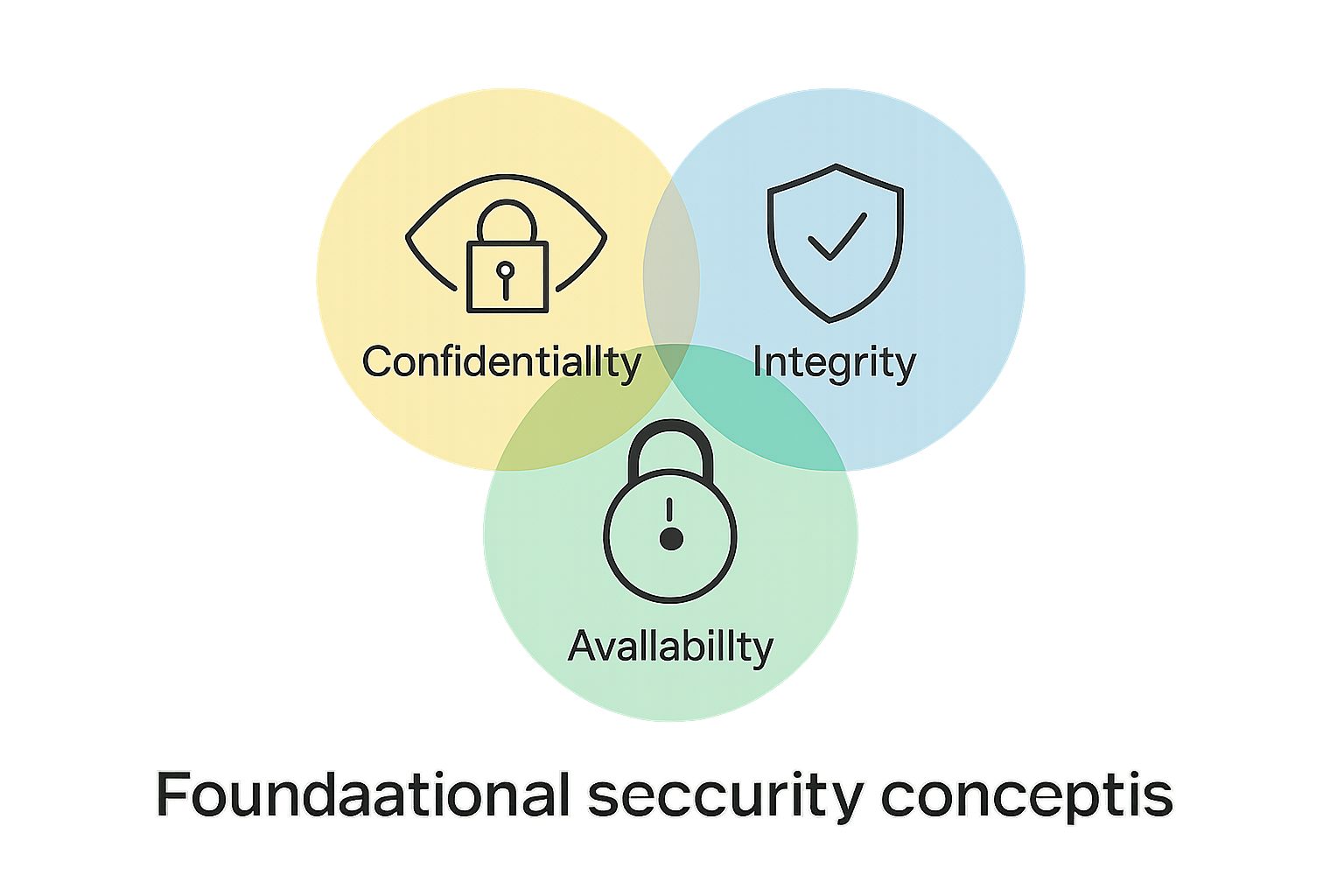
According to the Federal Communications Commission, effective data protection relies on several fundamental security concepts:
- Confidentiality: Ensuring that sensitive information is accessible only to authorized individuals
- Integrity: Maintaining the accuracy and consistency of data throughout its lifecycle
- Availability: Guaranteeing that critical information and systems remain accessible when needed
These principles form the cornerstone of a comprehensive data protection strategy, creating a robust framework that addresses the complex challenges of digital security in modern business environments.
Below is a table summarizing the three foundational security principles essential for small business data protection, along with their definitions and practical implications.
| Principle | Definition | Practical Implication |
|---|---|---|
| Confidentiality | Ensuring sensitive information is accessible only to authorized individuals | Prevents data leaks and unauthorized access to business data |
| Integrity | Maintaining the accuracy and consistency of data throughout its lifecycle | Ensures information remains reliable and unaltered |
| Availability | Guaranteeing that information and systems remain accessible when needed | Supports business continuity and operational reliability |
Risk Management and Threat Mitigation
Risk management represents a critical concept in small business data protection. This involves systematically identifying, evaluating, and addressing potential vulnerabilities within an organization’s digital infrastructure. Small businesses must develop a proactive approach that anticipates potential security challenges rather than merely reacting to incidents after they occur.
Effective risk management requires continuous monitoring, regular security assessments, and the implementation of adaptive defense mechanisms. This means understanding the unique threat landscape specific to the business, recognizing potential entry points for cyber attacks, and developing tailored strategies to minimize potential damages.
Compliance and Regulatory Considerations
Understanding and adhering to relevant data protection regulations is a crucial concept for small businesses. Different industries have specific compliance requirements that dictate how sensitive information must be handled, stored, and protected. These regulatory frameworks are not merely bureaucratic exercises but essential mechanisms for maintaining customer trust and preventing potential legal complications.
Small businesses must view compliance as an integral part of their data protection strategy, implementing robust policies and technological solutions that not only meet legal requirements but also demonstrate a commitment to protecting stakeholder information. By integrating compliance considerations into their broader security approach, organizations can create more comprehensive and resilient data protection frameworks.

Ready to Protect What Matters Most?
If reading about small business data protection essentials has you concerned about your company’s digital vulnerabilities or the complexity of implementing multi-layered defenses, you are not alone. Many small organizations struggle to keep up with evolving threats, regulatory requirements, and the expectation to protect every piece of sensitive data. Your ability to maintain trust, avoid costly downtime, and build a resilient business depends on the right partner and the right safeguards.

Take control of your security with a team that specializes in real-world solutions for businesses on the Central Coast and beyond. SRS Networks combines proactive cybersecurity, network infrastructure support, and compliance expertise tailored to your operations. You deserve a trusted partner who listens, responds fast, and delivers proven outcomes. Visit SRS Networks now to discover how our dedicated Cybersecurity Solutions and data protection services can help your organization meet the challenges highlighted in this article. Don’t wait until a breach puts everything at risk. Reach out for a personalized assessment and take the first step toward greater peace of mind.
Frequently Asked Questions
What is small business data protection?
Small business data protection refers to a comprehensive strategy used to safeguard an organization’s digital assets, sensitive information, and technological infrastructure from unauthorized access, cyber threats, and potential breaches. It combines technological tools, strategic policies, and human practices.
Why is data protection crucial for small businesses?
Data protection is essential for small businesses as it helps mitigate financial and operational risks, preserves customer trust and reputation, and provides a competitive advantage in the marketplace, especially in an era where cyber threats are increasingly common.
How can small businesses implement effective data protection strategies?
Small businesses can implement effective data protection strategies by establishing a robust technical security infrastructure, developing comprehensive employee training programs, instituting strict organizational protocols, and conducting continuous risk assessments to adapt to emerging threats.
What are the foundational security principles of data protection?
The foundational security principles of data protection include confidentiality, ensuring sensitive information is accessible only to authorized individuals; integrity, maintaining the accuracy and consistency of data; and availability, ensuring that critical information and systems remain accessible when needed.