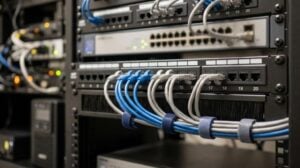
IT support in manufacturing sounds a lot like fixing computers or resetting passwords. But that barely scratches the surface. In fact, modern factories can lose thousands of dollars every minute their production line stops because of a simple tech failure. That surprising risk makes IT support in manufacturing not just about keeping computers running but about safeguarding the entire backbone of production.
Table of Contents: IT Support for Manufacturing Topics
- What Is IT Support In The Manufacturing Sector?
- The Importance Of IT Support For Manufacturing Businesses
- How IT Support Operates In Manufacturing Environments
- Key Technologies In Manufacturing IT Support
- Challenges And Solutions In Manufacturing IT Support
Quick Summary
| Takeaway | Explanation |
|---|---|
| Invest in specialized IT support | Tailored IT support enhances operational efficiency and minimizes downtime risks in manufacturing. |
| Focus on cybersecurity protocols | Robust cybersecurity safeguards essential manufacturing control systems from digital threats. |
| Utilize data analytics for optimization | Advanced data analytics transforms operational data into actionable insights for improved productivity. |
| Ensure hybrid support solutions | Combining remote and onsite IT support addresses complex technical issues effectively and quickly. |
| Adapt to evolving technologies | Manufacturing IT support must integrate modern solutions with legacy systems to maintain competitive advantage. |
What is IT Support in the Manufacturing Sector?
IT support in the manufacturing sector represents a specialized technological approach designed to address the unique digital infrastructure needs of industrial production environments. Unlike traditional IT services, manufacturing IT support focuses on integrating complex technological systems that drive operational efficiency, production monitoring, and strategic decision making.
Core Components of Manufacturing IT Support
Manufacturing IT support encompasses a comprehensive range of technological services tailored specifically to industrial operational requirements. These services extend far beyond basic computer maintenance and include specialized solutions that directly impact production processes, equipment performance, and overall organizational productivity.
To help clarify the unique functions of IT support in manufacturing, the following table outlines the core components and their primary focus within an industrial environment.
| Core Component | Description |
|---|---|
| Network Infrastructure Management | Manages secure, robust, and high-speed connectivity between equipment, sensors, and enterprise systems |
| Industrial Control System Protection | Safeguards manufacturing control systems from digital threats with specialized cybersecurity protocols |
| Data Analytics and Performance Monitoring | Uses advanced software to monitor machine performance, predict maintenance, and optimize production workflows |
Key technological domains within manufacturing IT support include:
- Network Infrastructure Management: Ensuring robust, secure, and high-speed communication networks that connect machinery, sensors, and enterprise systems
- Industrial Control System Protection: Implementing cybersecurity protocols designed to safeguard critical manufacturing control systems from potential digital threats
- Data Analytics and Performance Monitoring: Utilizing advanced software platforms to track machine performance, predict maintenance needs, and optimize production workflows
Technological Integration and Strategic Importance
Modern manufacturing IT support goes beyond traditional technical troubleshooting. According to Deloitte’s manufacturing technology report, successful IT support in manufacturing represents a strategic partnership that bridges technological capabilities with operational goals. This approach transforms IT from a support function into a critical driver of competitive advantage.
Manufacturing organizations require IT support that understands the intricate relationship between technological systems and production environments. This means developing solutions that not only resolve immediate technical challenges but also provide scalable, future-ready infrastructure that can adapt to evolving industry technologies and operational requirements.
The Importance of IT Support for Manufacturing Businesses
IT support has transformed from a peripheral technical service to a critical strategic component for manufacturing businesses. In an era of increasing technological complexity and digital transformation, robust IT infrastructure and support determine not just operational efficiency, but organizational survival and competitive positioning.
Operational Resilience and Continuity
Manufacturing businesses face unique technological challenges that demand specialized IT support.
The following table summarizes the types of operational, strategic, and economic benefits that IT support delivers to manufacturing businesses.
| Area | Key Benefit |
|---|---|
| Operational Resilience | Minimizes downtime and ensures continuous production |
| Strategic Technology Enablement | Facilitates innovation through advanced technologies |
| Economic and Competitive Advantages | Reduces risks, enables rapid adaptation, and maintains market competitiveness |
When critical manufacturing systems experience disruptions, the financial and operational impacts can be substantial.
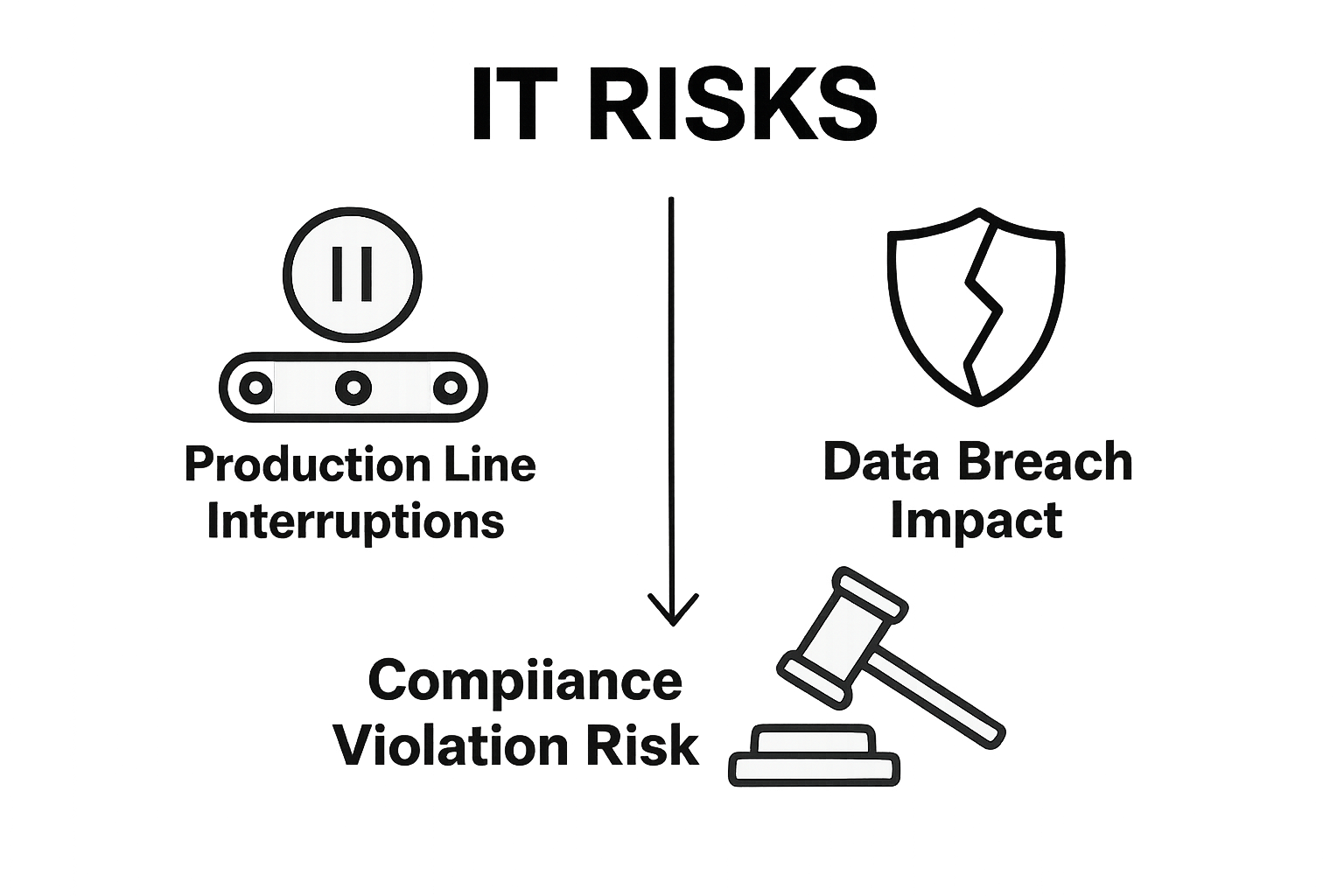
Key Operational Risks Without Proper IT Support Include:
- Production line interruptions leading to significant revenue losses
- Critical data breaches compromising intellectual property and competitive advantages
- Compliance violations resulting in potential legal and regulatory penalties
- Extended equipment repair times due to inadequate technological monitoring
Strategic Technology Enablement
According to a McKinsey report on digital manufacturing, strategic IT support enables manufacturers to leverage advanced technologies that drive innovation and efficiency. Modern manufacturing IT support goes beyond traditional maintenance, acting as a catalyst for digital transformation.
Effective IT support empowers manufacturers to implement cutting-edge technologies like Internet of Things (IoT) sensors, artificial intelligence-driven predictive maintenance, and real-time production analytics. These technological capabilities transform raw operational data into actionable strategic insights, allowing businesses to optimize processes, reduce waste, and make data-driven decisions.
Economic and Competitive Advantages
Investing in comprehensive IT support is not merely a technical decision but a strategic business imperative. Manufacturers who prioritize robust technological infrastructure and responsive IT support position themselves to adapt quickly to market changes, reduce operational risks, and maintain a competitive edge in an increasingly digital industrial landscape.
How IT Support Operates in Manufacturing Environments
IT support in manufacturing environments represents a sophisticated, multi-layered approach to technological management that goes far beyond traditional technical assistance. These specialized services are designed to integrate seamlessly with complex industrial ecosystems, ensuring continuous operational performance and technological resilience.
Infrastructure Monitoring and Management
Manufacturing IT support operates through continuous, proactive technological surveillance of critical systems and infrastructure. This involves real-time monitoring of network performance, equipment status, and potential vulnerabilities that could disrupt production processes.
Key Monitoring Elements Include:
- Continuous network traffic analysis
- Automated equipment performance tracking
- Immediate anomaly detection and alert systems
- Predictive maintenance scheduling based on technological indicators
Remote and Onsite Technical Intervention
According to the OECD’s industrial technology research, manufacturing IT support combines remote diagnostic capabilities with strategic onsite interventions. This hybrid approach allows technical teams to address issues rapidly, minimizing potential production interruptions.
Remote support enables immediate troubleshooting through secure digital channels, while onsite technicians can provide hands-on resolution for complex mechanical and technological challenges. This dual-approach ensures comprehensive technological management that adapts to the dynamic needs of modern manufacturing environments.
Cybersecurity and Compliance Management
In manufacturing environments, IT support extends critical cybersecurity protocols across interconnected technological systems. This involves implementing robust protection mechanisms that safeguard sensitive operational data, intellectual property, and production control systems from potential digital threats.
Advanced IT support teams develop comprehensive security frameworks that not only protect against external cyber risks but also ensure compliance with industry-specific regulatory standards. By maintaining stringent technological defenses and continuous monitoring, manufacturing businesses can protect their critical infrastructure and maintain operational integrity.
Key Technologies in Manufacturing IT Support
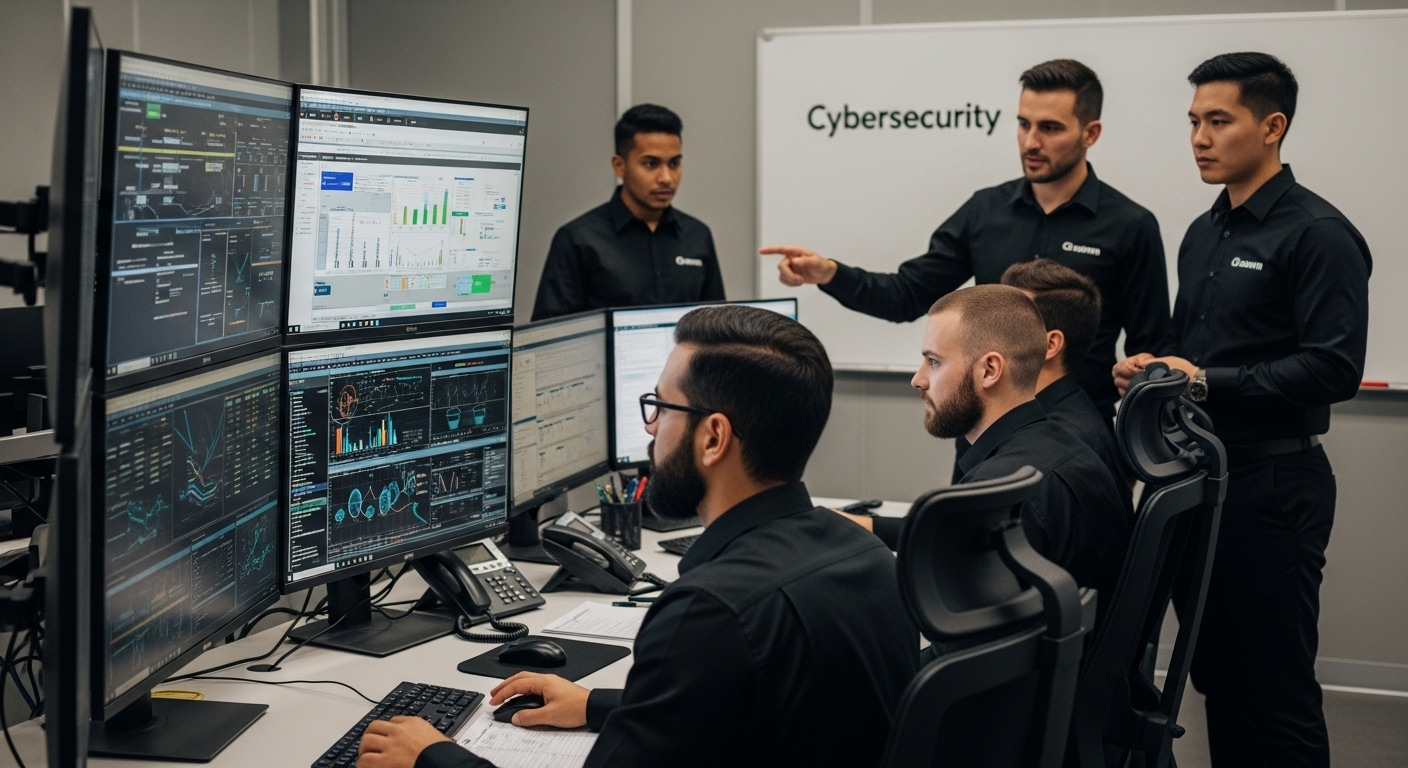
Modern manufacturing IT support leverages a sophisticated array of advanced technologies that transform traditional industrial processes into intelligent, data-driven ecosystems. These technologies enable manufacturers to optimize operations, enhance productivity, and maintain a competitive edge in an increasingly digital industrial landscape.
Industrial Internet of Things (IIoT) Platforms
Industrial Internet of Things represents a revolutionary technological approach that connects machinery, sensors, and production systems through intelligent network infrastructures. These interconnected technologies generate continuous streams of operational data, enabling real-time monitoring and strategic decision making.
Core IIoT Capabilities Include:
- Seamless machine-to-machine communication
- Automated performance tracking and reporting
- Predictive maintenance through real-time sensor analytics
- Enhanced operational visibility across production environments
Advanced Manufacturing Analytics
According to Gartner’s manufacturing technology research, advanced analytics technologies transform raw operational data into actionable strategic insights. These sophisticated software platforms utilize machine learning algorithms to process complex manufacturing data streams, identifying performance patterns, potential inefficiencies, and optimization opportunities.
Manufacturing analytics technologies enable businesses to move beyond traditional reactive approaches, implementing predictive and prescriptive analytical models that anticipate potential disruptions and recommend proactive interventions.
Cybersecurity and Compliance Technologies
In manufacturing environments, cybersecurity technologies have become increasingly specialized, addressing the unique technological vulnerabilities inherent in industrial control systems. These advanced protection mechanisms go beyond traditional IT security approaches, providing comprehensive defense strategies tailored specifically to manufacturing infrastructure.
Modern cybersecurity technologies for manufacturing integrate multiple defensive layers, including network segmentation, advanced threat detection algorithms, and continuous monitoring systems that protect critical production infrastructure from potential digital risks.
Challenges and Solutions in Manufacturing IT Support
Manufacturing IT support confronts a complex landscape of technological challenges that require sophisticated, adaptive strategies. The intersection of legacy industrial systems, emerging technologies, and evolving cybersecurity threats creates a dynamic environment demanding continuous innovation and strategic technological management.
Legacy System Integration
One of the most significant challenges in manufacturing IT support involves integrating modern technological solutions with existing legacy industrial systems. Many manufacturing facilities operate with decades-old equipment and control systems that were not originally designed for digital interconnectivity.
Key Integration Challenges Include:
- Compatibility issues between new and old technological infrastructures
- Limited data exchange capabilities in older manufacturing systems
- High costs associated with complete system replacement
- Complex technological migration processes
Cybersecurity and Technological Vulnerabilities
According to the National Institute of Standards and Technology, manufacturing environments face unique cybersecurity challenges that extend beyond traditional IT security models. Industrial control systems represent particularly complex technological ecosystems with multiple potential vulnerability points.
Effective IT support must develop comprehensive security strategies that address:
- Specialized industrial network protection protocols
- Advanced threat detection for manufacturing-specific technological environments
- Continuous monitoring of interconnected industrial systems
- Rapid response mechanisms for potential technological breaches
Technological Skills and Workforce Development
The rapid evolution of manufacturing technologies creates significant workforce challenges. IT support teams must continuously update their skills and knowledge to effectively manage increasingly complex technological ecosystems. This requires ongoing training, certification, and professional development programs that bridge traditional industrial expertise with emerging digital technologies.
Successful manufacturing IT support hinges on creating adaptive technological teams capable of understanding both traditional industrial processes and cutting-edge digital transformation strategies.
This table provides a concise comparison of the key challenges faced in manufacturing IT support and the corresponding solutions emphasized in the article.
| Challenge | Description | Solution Approach |
|---|---|---|
| Legacy System Integration | Difficulty connecting modern solutions to older systems | Develop integration strategies and phased technological migration |
| Cybersecurity and Vulnerabilities | Unique security threats to industrial infrastructure | Implement specialized protocols and continuous monitoring |
| Technological Skills Development | Need for continual workforce upskilling in digital technologies | Invest in ongoing training and professional development |
Turn Manufacturing IT Challenges into Lasting Strength with SRS Networks
Are you struggling to keep your manufacturing operations running smoothly in the face of complex digital systems, aging equipment, and increasing cybersecurity threats? The article highlighted how vital proactive IT support is for preventing costly downtime and protecting sensitive data. As many manufacturers know, even a single technical hiccup can halt production, erode profits, or put your reputation at risk.
When you work with SRS Networks, you gain a true technology partner who understands the specific pain points of manufacturing—like the difficulty of integrating Industrial IoT, maintaining compliance, and defending your control systems from cyberattacks. Our tailored IT solutions help you monitor your infrastructure, implement predictive analytics, and respond to technical issues before they impact your bottom line. We provide local expertise and personalized service so you can focus on productivity instead of IT headaches.
Do not let your manufacturing business fall behind or risk unplanned downtime. Connect with the specialists at SRS Networks today and see how our experience with manufacturing IT support empowers you to secure your operations, keep your technology current, and ensure compliance. Take the next step toward resilient systems and competitive growth—visit our About Us page to learn more or contact our team now for a free consultation.
Frequently Asked Questions
What is IT support in the manufacturing sector?
IT support in the manufacturing sector refers to specialized technological services that address the unique digital infrastructure needs of industrial production environments, focusing on operational efficiency and strategic decision-making.
Why is IT support important for manufacturing businesses?
IT support is crucial for manufacturing businesses as it ensures operational resilience, preventing costly downtime and security breaches, and enables the integration of advanced technologies that drive innovation and competitive advantage.
What are the key components of manufacturing IT support?
The key components of manufacturing IT support include network infrastructure management, industrial control system protection, and data analytics for performance monitoring, all tailored to enhance manufacturing operations.
How does IT support enhance cybersecurity in manufacturing?
IT support enhances cybersecurity in manufacturing by implementing robust protection mechanisms for industrial control systems, ensuring continuous monitoring and compliance with industry-specific standards to safeguard sensitive operational data.