Professional Network Cabling & Wiring

Network Cabling & Wiring in California — Complete, Practical Solutions for SMBs and Nonprofits
Reliable wired infrastructure is the backbone of modern operations. Professional network cabling and wiring help small and mid-sized businesses and non-profits across California run faster, more securely, and with less downtime. Below we explain structured cabling, fiber options, and data wiring best practices — and show how proper maintenance keeps networks performing over the long term. We’ll also outline how SRS Networks supports local organizations with practical, scalable cabling solutions.
Network Cabling & Wiring Services for California SMBs & Nonprofits
Structured cabling means a standardized, organized cabling system that supports voice, data and other communications across a building or campus. Done right, it simplifies moves and upgrades, lowers long-term installation costs, and makes networks more dependable. For California businesses, a structured approach keeps operations flexible as teams and bandwidth needs grow.
How structured cabling boosts scalability and network performance
A structured cabling design gives you headroom: easier upgrades, clearer documentation, and fewer surprises when you add users or services. That translates to lower latency, better throughput, and simpler troubleshooting — all of which help staff work without interruptions and IT teams manage change more efficiently.
Which cabling types does SRS Networks install?
SRS Networks installs Cat5e, Cat6, Cat6a and a range of fiber optic options. Copper categories like Cat6 serve many office environments well, while fiber delivers higher bandwidth over longer runs. We match the cable type to your distance, performance goals and budget so you get the right balance of cost and capability.
How does fiber optic cabling strengthen SMB network infrastructure?
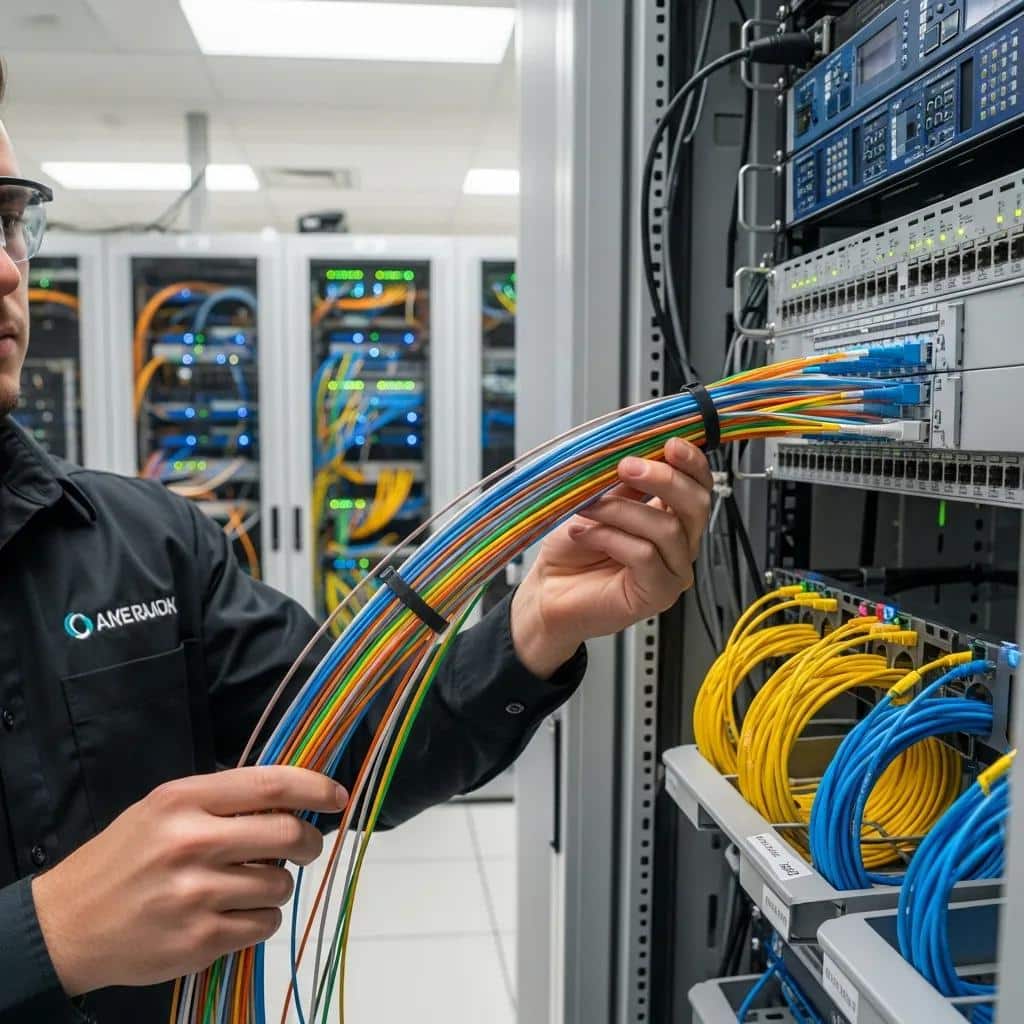
Fiber optic cabling uses light to carry data, giving you higher speeds, larger bandwidth and lower signal loss than copper over long distances. Fiber is also resistant to electromagnetic interference, making it ideal for data-heavy applications, cloud access and locations where reliability matters most.
In practical terms, well-planned fiber runs support efficient access networks and simplify vertical cabling within multi-story buildings.
Optical fiber cabling for efficient network access
Using enhanced separable ribbons or reinforced fibers can improve access and branching in vertical cable installations, supporting flexible and reliable vertical distribution.
Optical fiber cabling technologies for flexible access network, 2008
Single-mode vs. multi-mode fiber — which is right for you?
Single-mode fiber is built for long-distance links and high-speed backbones, carrying signals across kilometers with minimal loss. Multi-mode fiber is a cost-effective choice for shorter runs inside buildings or between nearby buildings. The right choice depends on your site layout, distance requirements and planned bandwidth.
How fiber installation helps future-proof a network
Fiber gives you capacity and longevity. As applications demand more bandwidth, fiber-installed networks can scale without frequent rewiring. Investing in fiber today reduces the need for disruptive, costly upgrades tomorrow.
Planning for scalable backbone capacity is central to meeting the growing demands of online services and cloud-first workflows.
Optical fiber backbones for growing capacity
A strong optical fiber backbone is increasingly important as virtual services expand; operators focus on upgrading capacity to meet future demand.
Optical cable deployment versus fiber leasing: an operator’s perspective on
CapEx savings for capacity upgrade in an elastic optical core network, RK Jana, 2023
What are the key components and best practices for business network wiring?
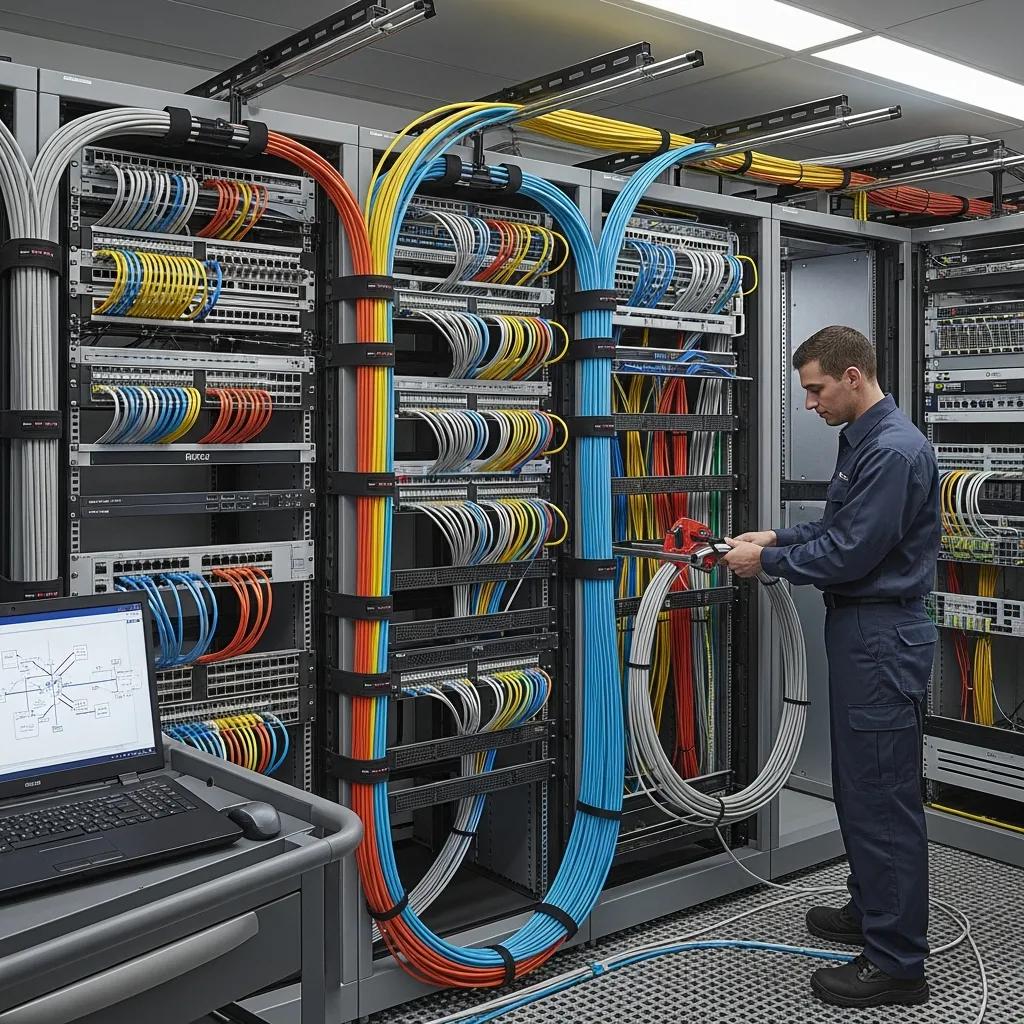
Effective wiring relies on choosing the right cable, following standards like TIA/EIA, and keeping tidy cable management. Proper planning and labeling reduce interference, simplify maintenance, and extend the life of your infrastructure.
How should commercial Ethernet wiring be organized for efficiency?
Design Ethernet runs with clear paths, color-coded labeling and adequate separation to avoid excessive bundling. Organized cabling minimizes crosstalk and makes moves, adds and changes straightforward — saving time and reducing errors.
Why low-voltage wiring matters in offices and commercial spaces
Low-voltage wiring supports data, voice and AV systems — everything from VoIP phones to security cameras. Integrating low-voltage wiring into your network plan improves reliability and keeps essential services working together smoothly. For more complex server needs, see our professional server support options.
How do data cabling solutions improve office reliability and efficiency?
High-quality data cabling lowers the risk of outages and performance problems. A well-designed cabling system helps employees access resources consistently and reduces IT time spent troubleshooting. When infrastructure is solid, teams can focus on work rather than connectivity issues — and managed IT services amplify those gains. Learn more about our managed IT services.
What are the steps to set up and maintain an office data network?
Start with a network layout and cabling plan, pick the right cable types, and install devices with clear labeling. Ongoing maintenance — regular inspections, testing and timely upgrades — keeps the network healthy and avoids surprise failures.
How do voice and data cabling work together to support business communication?
When voice and data cabling are integrated and installed to standard, calls and data share the network without interference. That integration improves collaboration and keeps communications reliable across the organization.
Which maintenance and support services preserve long-term cabling performance?
Routine maintenance and responsive support are essential. Regular inspections, prompt repairs and scheduled testing prevent small problems from becoming major outages. Proactive care keeps systems reliable and extends the useful life of your cabling investments.
How does network cabling troubleshooting and repair typically work?
Troubleshooting uses specialized testers to locate faults, verify terminations and confirm cable performance. Technicians check connections, replace damaged runs and certify fixes so your network returns to reliable operation quickly.
Why are proactive cabling audits and certification valuable?
Audits identify hidden issues, confirm compliance with standards, and document capacity for future planning. Certification gives you confidence that each link meets the required performance level and reduces risk during upgrades or expansions.
Why choose SRS Networks for network cabling and wiring in California?
SRS Networks delivers practical, reliable cabling and wiring services across California. We focus on solutions that fit your budget and growth plans, combining local knowledge with hands-on technical experience to keep your network running smoothly.
How does SRS Networks provide strategic IT guidance and dependable solutions?
We assess each client’s needs, recommend options that align with their goals, and deliver installations that prioritize performance and maintainability. Our approach balances strategic guidance with dependable execution to minimize disruption and improve long-term outcomes. Read more about our approach to strategic IT guidance.
What local expertise does SRS Networks bring to California SMBs and non-profits?
We know the local market and the realities of small and mid-sized organizations here. That means practical project planning, hands-on support, and a commitment to community projects — so clients get solutions built for their needs, not generic one-size-fits-all fixes.
Frequently Asked Questions
What should businesses consider when choosing a cabling solution?
Consider the type and volume of data traffic, required run distances, and future scalability. Site conditions (like sources of interference), budget and project timelines also matter. Those factors determine whether copper or fiber is the better fit.
How often should network cabling be inspected or audited?
At minimum, schedule an inspection or audit once a year. Facilities with heavy traffic or critical services should consider audits every six months. Regular checks catch issues early and keep performance consistent.
What are common signs that cabling needs repair or replacement?
Watch for frequent outages, slow transfer speeds, intermittent connections, or poor VoIP call quality. Physical damage (frayed jackets, kinks) is also a clear sign it’s time for repair or replacement.
Can businesses install their own network cabling, or is professional installation recommended?
While small runs can sometimes be handled in-house, professional installation is usually recommended for structured cabling. Pros ensure standards compliance, proper testing, neat cable management and warranty-backed work — all of which reduce long-term risk.
What role does cable management play in installations?
Good cable management protects cables, reduces interference, and makes maintenance straightforward. Using trays, ties and color-coded labeling improves airflow, accessibility and safety — and it keeps the workspace looking professional.
How can businesses future-proof their network cabling?
Choose high-quality materials, plan extra capacity and prefer fiber where future bandwidth needs are uncertain. Design flexible pathways for additional runs and schedule regular audits to ensure your infrastructure keeps pace with new technologies.