Running a restaurant without solid IT support is a recipe for disaster.
We examined six essential IT services for restaurants across two leading sources and discovered that none of the items include cost or compliance details—contrary to what operators typically expect.
| Service / Item | Description | Source |
|---|---|---|
| Video Management System (VMS) with AI analytics | A modern VMS that leverages AI analytics to automatically detect threats, set up rules that quickly alert of anomalies and provide operational insights. | pelco.com |
| POS and Technology Setup | Confirm that POS systems are functional and logged in correctly. Check that music, lighting, and temperature are adjusted to create the desired ambiance. Ensure that menu boards, signage, and daily specials are accurate so that guests receive up-to-date information. | altametrics.com |
| Altametrics digital checklist platform | Utilize digital tools to streamline checklist management. Digital platforms can provide real-time updates, reminders, and analytics, making it easier to track compliance and identify areas for improvement. | altametrics.com |
| ONVIF-conformant cameras | Cameras that smoothly integrate with your VMS, providing flexibility to expand your restaurant security system. | pelco.com |
| Point-of-Sales (POS) system access control | Measures to prevent unauthorized access to POS systems and sensitive payment data. | pelco.com |
| POS terminal sanitization | Sanitize high-touch surfaces such as menus, POS terminals, and door handles. | altametrics.com |
Our quick look shows that all six items give a name and a short description, but none list how often you should check them, how much they cost, or which laws they meet. That missing data makes budgeting and compliance hard for busy owners.
Here are three steps you can take right now: first, write down each service you use and note who is responsible for it; second, ask your IT partner for a clear schedule – daily for sanitization, weekly for software checks, monthly for security camera reviews; third, compare the cost of each task against your budget and look for gaps.
When you need a partner that can turn these steps into a smooth plan, Fully Managed IT Services for Small Businesses can set up monitoring, alerts, and regular reports so you never miss a beat.
Don’t forget the physical side of the job. Good flooring keeps cables safe and makes it easier to run network lines under the floor. For a reliable flooring partner, check out Millena Flooring – they handle hardwood, tile, and more, helping you finish the space ready for tech.
Step 1: Assess Your Restaurant’s Current IT Environment
Start by writing down every device, software app, and service that keeps your kitchen humming and your front‑of‑house running. Think POS terminals, kitchen display screens, reservation software, Wi‑Fi routers, security cameras, and even the digital menu boards you show on tablets.
Next, ask yourself three quick questions for each item: how much would you lose if it stopped working, how risky is it for customer data, and how fast can your current support fix it? A simple high‑medium‑low rating gives you a quick health score without getting lost in tech jargon.
Once you have the list and scores, compare them to the service level you’re getting today. Does your IT partner promise a 15‑minute response for a broken POS, but you usually wait an hour? Are backups happening nightly, or are you guessing?
Turn the gaps into a short action plan:
- Mark any “high‑risk, low‑support” items.
- Ask your IT provider for a clear schedule – daily for sanitization, weekly for software patches, monthly for camera reviews.
- Put a cost estimate next to each line so you can see where you might be overspending or under‑protecting.
When you walk into that conversation with a tidy spreadsheet, you’ll see exactly where money is needed and where you can save. That clarity makes budgeting easier and helps you meet any local health or PCI rules without surprise.
Step 2: Choose Managed IT Services Tailored for Foodservice
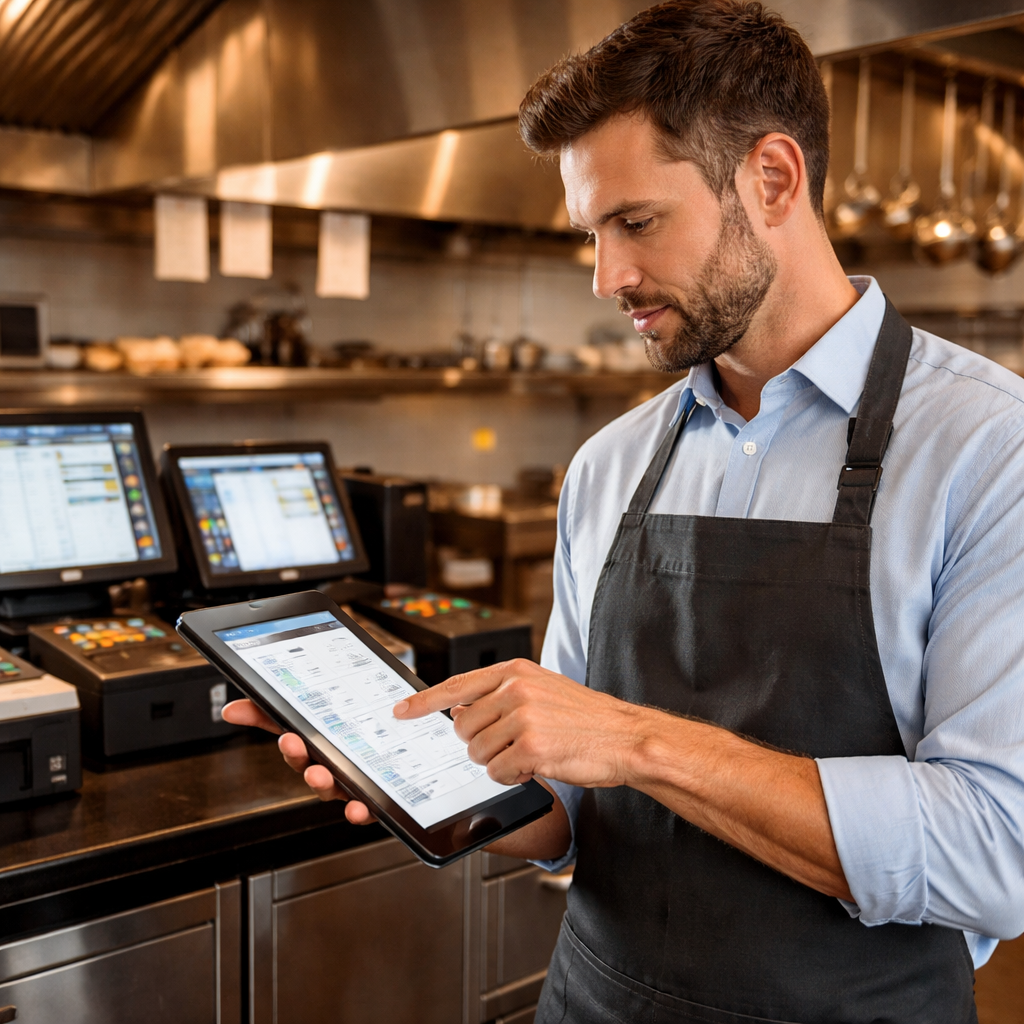
Pick a partner that knows the kitchen hustle and the front‑of‑house rush. You want tech that keeps the POS ringing, the digital menu fresh, and the cameras watching without a glitch.
First, list the services you rely on: POS terminals, kitchen display screens, reservation software, Wi‑Fi, security cameras, and any tablet menus. Rate each one on three things – how much money you lose if it stops, how risky it is for customer data, and how fast you need it fixed.
Next, match those ratings to the service bundles a provider offers. Look for a package that includes 24/7 monitoring, automatic updates, and on‑site fixes for hardware that can’t be repaired remotely. A good fit will also schedule nightly backups of sales data and weekly scans for malware that could steal credit‑card info.
Ask for a clear Service Level Agreement. It should spell out response times, 15 minutes for a broken POS, 30 minutes for a camera that goes dark, and list the exact tasks covered each month. When the SLA is written, compare the monthly flat fee to the cost of paying for each incident on its own.
Don’t forget compliance. If you accept credit cards, the provider must help you meet PCI standards. If you store employee health info, HIPAA checks should be part of the plan. Ask how they document each compliance check and how often they test restores.
Finally, get a short demo of their monitoring dashboard. Seeing alerts in real time tells you whether they catch issues before they hit the floor.
For a retail‑focused example, see how Retail IT Solutions for restaurants can map your tech stack to the services you need.
If you also run valet or lot traffic, pairing your IT plan with a parking partner can smooth the guest experience. A&A Parking Management offers valet services that sync with reservation systems, keeping guests moving from car to table.
Step 3: Implement Robust Cybersecurity and Compliance
Cyber attacks are now a cash‑flow risk for any restaurant. A breach can shut down online ordering, lock up POS data, and drain your bank account. That’s why solid cybersecurity and compliance belong in your IT support for restaurants plan.
Start with a quick risk snapshot. List every system that handles payments, reservations, or employee records.
Next, lock down access. Require strong passwords and multi‑factor authentication for any admin portal. Turn off shared accounts and give each staff member a unique login. If a laptop is lost, remote wipe should be ready to go.
Run regular scans. A weekly vulnerability scan catches missing patches before attackers find them. Pair the scan with daily anti‑malware updates on all POS terminals and kitchen tablets.
Backups are your safety net. Schedule encrypted nightly backups of sales data and quarterly full‑system restores. Test the restore process at least once a year so you know it works when you need it.
Compliance isn’t optional. PCI DSS rules require card data stay encrypted and quarterly penetration tests. If you handle health info, HIPAA checks must be logged each month. Ask your IT partner how they track each compliance item.
Finally, train your team. A short monthly phishing drill can stop business email compromise before it costs you thousands. The FBI says BEC attacks cost nearly $2.9 billion in 2024. See the latest numbers in this guide.
Put these steps in a simple checklist and review it with your manager every quarter. When the checklist lives on a shared drive, you’ll see gaps before they turn into downtime.
Step 4: Set Up Cloud Solutions and Backup for Continuity
You’ve locked down passwords and run scans. Now the data itself needs a safety net that lives beyond the kitchen walls.
A cloud backup does two things: it copies your sales files to a remote vault, and it lets you pull them back in minutes if a server dies.
Pick a solution that matches your restaurant’s rhythm. Here’s a quick checklist.
Look at three common setups and see which fits your budget and compliance needs.
| Solution | Backup Frequency | Key Note |
|---|---|---|
| Cloud file storage (e.g., OneDrive) | Hourly sync | Encrypt at rest |
| Managed backup service | Nightly full | Off‑site replication |
| Hybrid local + cloud | Daily incremental | Quick restore for POS |
Set up automated jobs so the backup runs without you lifting a finger. Test the restore at least once a quarter – a fake restore on a test PC proves the process works.
What if the power flickers during a lunch rush? With cloud storage, the POS can fall back to a cached copy and keep orders flowing.
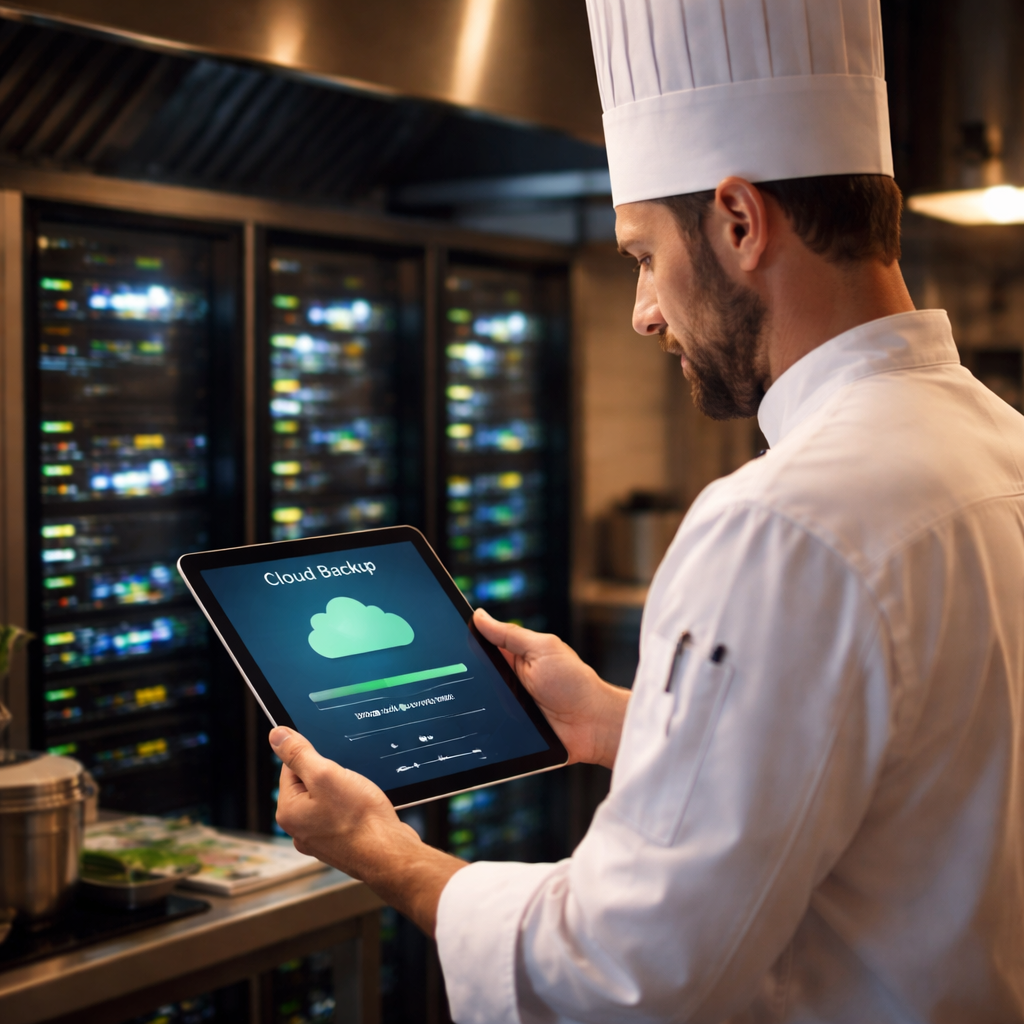
When you pick a provider, ask for end‑to‑end encryption, role‑based access, and a clear SLA that spells out recovery time.
Step‑by‑step, here’s how to get it live:
- Choose a reputable cloud vendor that offers PCI‑ready storage.
- Create a dedicated backup account for each POS terminal.
- Install the vendor’s agent on all workstations and set the schedule to hourly sync.
- Run a test restore to a spare laptop and verify the sales data opens correctly.
- Document the process and add it to your IT SOPs so new staff can follow it.
Once the schedule is set, you’ll see nightly logs in your dashboard. Spot a missed run and fix it before the next day’s sales close.
With cloud backup in place, downtime becomes a rare hiccup, not a revenue killer. Keep the checklist handy and review it each quarter.
Step 5: Optimize Ongoing Help Desk Support and Training
Now the system runs, but you still need people who can jump in fast when something breaks.
A help desk that learns the restaurant’s rhythm cuts lost sales and keeps staff calm.
First, set clear priority levels for tickets. Label anything that stops the POS, the kitchen display, or a payment processor as “Critical.” Anything that slows the Wi‑Fi can be “High.” Lower‑impact glitches go in “Medium” or “Low.” This lets the tech team see the urgent jobs first.
Second, lock the response clock. Ask your provider to promise a 15‑minute reply for Critical tickets and a 30‑minute reply for High tickets. Write that promise in the SLA so you can hold them to it.
Third, give the desk the right tools. A remote‑access app that’s pre‑installed on every terminal lets the tech see the screen without walking to the back room. Pair that with a ticket system that tags the device, the location, and the software version.
Fourth, turn every fix into a lesson. After a ticket closes, the tech writes a short note: what happened, why it mattered, and how to avoid it. Store those notes in a shared folder and schedule a quick 10‑minute “tech huddle” each week. The team can read the notes and ask questions.
Fifth, test the whole chain quarterly. Simulate a POS crash, let the help desk run through its steps, and time the recovery. If it takes longer than five minutes, tweak the process.
- Define ticket priority levels.
- Put a response‑time SLA in writing.
- Equip the desk with pre‑installed remote tools.
- Document each fix and hold a short weekly review.
- Run a quarterly mock outage.
Doing these steps turns a reactive help desk into a proactive partner. When the kitchen rush hits, you’ll know the tech crew is already one step ahead.
For more on keeping data safe while the desk works, see our Backup & Disaster Recovery service.
And if you’re looking for a coffee supplier that can feed your staff and sync orders with your POS, check out Chilled Iguana Coffee Co..
Frequently Asked Questions
What does IT support for restaurants actually include?
It covers everything that keeps your kitchen tech humming and your front‑of‑house running. Think POS monitoring, network health checks, security patches, backup of sales data, and a help desk that can jump on a broken terminal in minutes. A good partner also watches for ransomware signs and makes sure you stay PCI‑compliant without you lifting a finger.
How fast should a help desk respond to a critical ticket?
Most restaurant owners expect a response within 15 minutes for anything that stops the POS or payment flow. After the first reply, the tech should be on‑site or remotely fixing the issue within the next 30 minutes. That speed prevents lost orders and keeps the rush hour rush from turning into a revenue dip.
Do I need a separate cybersecurity plan for my restaurant?
Yes. Even a small bistro faces phishing, malware, and credit‑card fraud risks. A layered approach—firewall, endpoint protection, email filtering, and regular vulnerability scans—keeps attackers out. Backup and disaster‑recovery routines add a safety net so a ransomware hit won’t wipe out a night’s sales.
What should I look for in a service‑level agreement (SLA)?
Focus on response times, uptime guarantees, and clear definitions of ticket priority levels. An SLA should spell out 15‑minute replies for critical issues, 30‑minute for high‑priority problems, and a maximum 4‑hour window for low‑impact tickets. It should also list the tools used for remote access and the frequency of quarterly outage drills.
How often should I test my backup and recovery process?
At least once a quarter. A test restore on a spare laptop proves the backup works and shows how long it takes to get back online. If the restore takes longer than an hour, tweak the process or add another backup tier. Regular tests keep you confident that a power flicker won’t erase a week’s sales.
Can I manage IT support in‑house or should I outsource?
Outsourcing makes sense if you don’t have a full‑time tech team that can monitor 24/7, patch daily, and respond fast. A managed partner brings proactive monitoring, expertise across compliance standards, and a flat‑rate bill that’s easier to budget than surprise repair costs. It frees you to focus on the menu, not the network.
Conclusion
You’ve seen how a solid SLA, quarterly backup tests, and a partner that watches your network can turn tech chaos into smooth service.
When a ransomware hit can’t wipe a night’s sales, you know the right IT support for restaurants is a safety net, not an after‑thought.
Pick a provider that promises 15‑minute replies for a broken POS, runs nightly encrypted backups, and checks compliance so you never worry about PCI or HIPAA gaps.
A quick checklist, list your critical devices, set response targets, run a test restore each quarter, gives you confidence that a power flicker won’t erase a week’s revenue.
By treating IT like a core ingredient, you free your staff to focus on food, service, and growth.
That small extra effort today saves hours of downtime tomorrow.
Ready to lock in that peace of mind? Reach out for a free health‑check and see how proactive IT support can keep your kitchen humming.