Every business leans on technology, and when something goes wrong, fast support means everything. Gartner reports that effective helpdesk teams can cut downtime by up to 60 percent and that sounds staggering. Most people focus on flashy new software, but the real edge comes from having the right support team ready to fix problems before anyone even notices.
Table of Contents
- Defining Helpdesk Support: Core Functions And Goals
- The Importance Of Helpdesk Support For Businesses
- How Helpdesk Support Works: Key Processes And Tools
- Roles And Responsibilities In A Helpdesk Environment
- Real-World Applications And Benefits Of Helpdesk Support
Quick Summary
| Takeaway | Explanation |
|---|---|
| IT helpdesk support minimizes downtime | Effective helpdesk services can reduce downtime by up to 60%, enhancing organizational productivity and employee experience. |
| Investing in helpdesk support boosts resilience | Comprehensive IT support transforms potential technical challenges into strategic opportunities, ensuring continuous operational capabilities. |
| Automated ticket management enhances efficiency | Utilizing a ticket management system streamlines issue tracking and categorization, leading to faster resolutions and better performance analytics. |
| Frontline support is crucial for user interaction | Helpdesk technicians act as the first point of contact, addressing user issues and escalating complex problems to specialists when necessary. |
| Specialized roles tackle complex challenges | Advanced technical roles enhance the helpdesk’s capability to resolve intricate technological issues effectively, ensuring optimal infrastructure management. |
Defining Helpdesk Support: Core Functions and Goals
An IT helpdesk support represents a critical technological infrastructure that serves as the central nervous system for organizational technology management. This specialized service functions as the primary interface between technology users and technical professionals, ensuring smooth operational continuity and rapid problem resolution.
Understanding the Core Purpose
The fundamental goal of IT helpdesk support is to provide comprehensive technical assistance that addresses user technology challenges quickly and efficiently. By creating a centralized point of contact, organizations can systematically manage technology-related issues, minimize operational disruptions, and maintain robust technological performance.
Helpdesk support professionals are responsible for several key functions:
- Troubleshooting hardware and software problems
- Providing remote and onsite technical guidance
- Managing user access and system permissions
- Documenting and tracking technical incidents
- Implementing standardized resolution protocols
Strategic Impact on Business Operations
Beyond immediate technical support, helpdesk services play a strategic role in organizational productivity. According to Gartner Research, effective IT helpdesk support can reduce downtime by up to 60% and significantly improve overall employee technological experience.
Successful helpdesk operations require a combination of technical expertise, communication skills, and systematic problem-solving approaches. Professionals must quickly diagnose issues, communicate complex technical concepts in accessible language, and develop efficient resolution strategies that minimize disruption to business workflows.
By providing a structured, responsive technological support framework, IT helpdesk services transform potential technical challenges into opportunities for enhanced organizational efficiency and technological resilience.
The Importance of Helpdesk Support for Businesses
IT helpdesk support has transformed from a simple technical troubleshooting function into a strategic business enabler that directly impacts organizational performance, productivity, and technological resilience. Modern businesses recognize that robust technological support is no longer a luxury but a critical operational necessity.
Economic and Operational Impact
The financial implications of effective helpdesk support are substantial. According to IDC Research, organizations with comprehensive IT support frameworks experience significant cost reductions and operational efficiency improvements. Companies can minimize technology-related downtime, which directly translates into preserved productivity and reduced financial losses.
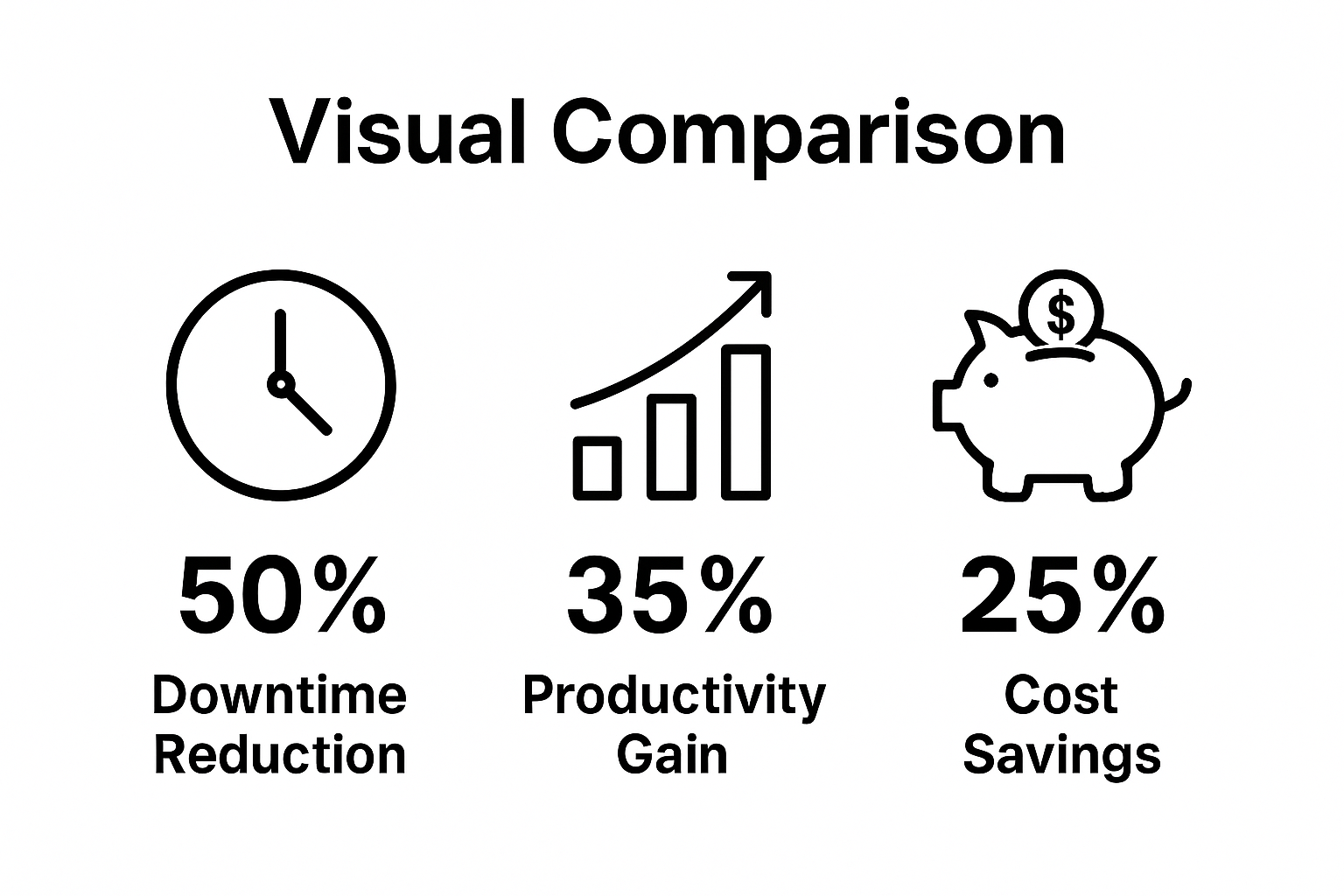
Key economic benefits include:
- Reduced operational interruptions
- Faster problem resolution times
- Lower long-term technology maintenance costs
- Enhanced employee productivity
- Improved technological infrastructure reliability
Strategic Business Resilience
Beyond immediate technical support, helpdesk services play a crucial role in building organizational technological resilience. These services act as a critical buffer against potential technological disruptions, enabling businesses to maintain continuous operational capabilities. By proactively managing technological challenges, companies can transform potential technical obstacles into opportunities for strategic growth and innovation.
Businesses that invest in comprehensive helpdesk support demonstrate a commitment to technological excellence and employee empowerment. By providing rapid, professional technical assistance, organizations create an environment where technological challenges are addressed swiftly, allowing employees to remain focused on core business objectives.

Ultimately, IT helpdesk support represents more than a technical service it is a strategic partnership that enables businesses to navigate complex technological landscapes with confidence, agility, and sustained performance.
How Helpdesk Support Works: Key Processes and Tools
IT helpdesk support operates through a sophisticated ecosystem of technological processes, communication protocols, and specialized tools designed to efficiently diagnose, track, and resolve technological challenges within an organization.
Ticket Management System
The cornerstone of modern helpdesk support is the ticket management system, a comprehensive platform that captures, categorizes, and tracks every technological issue reported by users. According to EDUCAUSE Research, these systems transform technical support from reactive problem solving to proactive service management.
Critical components of an effective ticket management process include:
- Automated issue logging and categorization
- Priority level assignment
- Tracking of resolution timelines
- Comprehensive documentation of technical interactions
- Performance analytics and reporting
Technical Diagnostic and Resolution Workflows
Helpdesk professionals employ structured diagnostic workflows that systematically isolate and resolve technological problems. These workflows typically involve multiple stages of investigation, beginning with initial user interaction and progressing through detailed technical assessment.
The resolution process generally follows a standardized approach:
- Initial problem assessment and information gathering
- Root cause identification
- Solution development and implementation
- Verification of resolved issue
- Documentation and knowledge base update
Technical teams utilize a combination of remote access tools, diagnostic software, and network monitoring systems to efficiently troubleshoot and resolve issues without requiring constant physical presence.
Ultimately, the effectiveness of helpdesk support hinges on combining sophisticated technological tools with skilled human expertise, creating a responsive and intelligent support ecosystem that minimizes technological disruptions and maintains organizational productivity.
Roles and Responsibilities in a Helpdesk Environment
A helpdesk environment represents a complex ecosystem with multiple interconnected roles, each designed to ensure comprehensive technological support and seamless operational continuity. These professionals work collaboratively to address technological challenges and maintain organizational technological infrastructure.
Frontline Support Specialists
Helpdesk technicians serve as the primary point of contact for users experiencing technological issues. According to Missouri State University’s IT documentation, these professionals are responsible for a wide range of critical functions that directly impact organizational technological performance.
Key responsibilities of frontline support specialists include:
- Initial problem assessment and triage
- Direct user communication and issue resolution
- Documenting technical interactions and incidents
- Escalating complex technical challenges
- Providing first-level technical guidance
Specialized Technical Roles
Beyond frontline support, helpdesk environments feature specialized technical roles that address more complex technological challenges. These professionals possess advanced technical expertise and focus on deeper system analysis, problem resolution, and strategic technological management.
Specialized roles typically encompass:
- Network infrastructure engineers
- Cybersecurity analysts
- Systems administrators
- Software support specialists
- Database management professionals
These specialized technicians work in concert with frontline support teams, providing advanced technical insights and developing comprehensive solutions for intricate technological problems.
Successful helpdesk support requires a harmonious blend of technical proficiency, communication skills, and collaborative problem solving. By maintaining a structured approach to technological support and fostering a culture of continuous learning, organizations can create robust IT support frameworks that effectively address evolving technological challenges.
To clarify the primary roles and responsibilities within an IT helpdesk environment, the table below outlines the key functions of frontline support specialists and specialized technical roles as described in the article.
| Role | Main Responsibilities |
|---|---|
| Frontline Support Specialist | Initial problem assessment, direct user communication, documenting incidents, escalating complex issues, first-level guidance |
| Network Infrastructure Engineer | Addressing network-related challenges, managing infrastructure performance, troubleshooting connectivity issues |
| Cybersecurity Analyst | Managing security incidents, assessing vulnerabilities, ensuring data protection and compliance |
| Systems Administrator | Overseeing server and system performance, managing user access permissions, maintaining optimal system functionality |
| Software Support Specialist | Resolving software-specific problems, deploying updates, providing application guidance |
| Database Management Professional | Managing and troubleshooting databases, ensuring data availability, supporting data integrity |
Real-World Applications and Benefits of Helpdesk Support
Helpdesk support extends far beyond simple technical troubleshooting, representing a critical strategic function that drives organizational efficiency, technological resilience, and user productivity across diverse industries and operational contexts.
Organizational Performance Enhancement
According to Highline College’s IT management research, comprehensive helpdesk support directly contributes to improved organizational performance by streamlining technological interactions and reducing system disruptions.
Key performance benefits include:
- Minimized technological downtime
- Increased employee productivity
- Faster problem resolution cycles
- Improved technological infrastructure reliability
- Enhanced user satisfaction and engagement
Sector-Specific Applications
Helpdesk support demonstrates remarkable versatility across different organizational environments. From educational institutions to healthcare providers, these technological support frameworks adapt to unique sector-specific challenges while maintaining core problem-solving principles.
Sector-specific applications encompass:
- Educational institutions managing complex technological learning environments
- Healthcare organizations ensuring critical system reliability
- Manufacturing firms maintaining sophisticated technological infrastructures
- Financial services protecting sensitive technological ecosystems
- Retail businesses optimizing technological customer experiences
Smartphone integration strategies further highlight the evolving nature of helpdesk support, demonstrating how technological assistance has become intrinsically linked with modern workplace productivity and communication strategies.
The true value of helpdesk support lies not just in resolving immediate technical challenges, but in creating a proactive, adaptive technological support environment that empowers organizations to leverage technology as a strategic competitive advantage.
The following table summarizes the key economic, operational, and performance benefits of implementing IT helpdesk support, reinforcing its relevance across different organizational needs as covered in the guide.
| Benefit Category | Key Outcomes |
|---|---|
| Economic Impact | Reduced operational interruptions, lower long-term technology maintenance costs |
| Operational Efficiency | Faster problem resolution times, comprehensive documentation, streamlined workflows |
| Employee Productivity | Minimized downtime, improved user satisfaction, enhanced engagement |
| Infrastructure Reliability | Improved technological infrastructure reliability, increased service uptime |
| Business Resilience | Continuous operations, proactive response to disruptions, competitive advantage |
Unlock Seamless IT Helpdesk Support for Your Monterey Bay Business
Struggling with recurring tech issues, long downtimes, or slow responses when your team needs help most? As discussed in this comprehensive guide, IT helpdesk support plays a vital role in minimizing business disruptions, streamlining ticket management, and ensuring quick problem resolution. But many small and midsized businesses lack the time, expertise, or resources to build a reliable, always-on helpdesk.
Why wait and risk another costly interruption? Let SRS Networks be the proactive, local partner who puts your employees first and your systems on solid footing. With customized managed IT services, fast remote and onsite support, and a proven focus on your business goals, our team takes command of incident tracking and technical troubleshooting so you can focus on what matters most—your customers and your growth.
Ready for helpdesk support that goes beyond simple issue resolution and delivers uptime, productivity, and peace of mind? Visit SRS Networks now to see how we deliver responsive, industry-specific solutions to businesses like yours across the Central Coast. Reach out today. Your technology deserves nothing less.
Frequently Asked Questions
What is the primary goal of IT helpdesk support?
The primary goal of IT helpdesk support is to provide comprehensive technical assistance that addresses user technology challenges quickly and efficiently while ensuring operational continuity and minimizing disruptions.
What are the key functions of helpdesk support professionals?
Helpdesk support professionals are responsible for troubleshooting hardware and software problems, providing remote and onsite technical guidance, managing user access and system permissions, documenting incidents, and implementing standardized resolution protocols.
How does helpdesk support impact a business’s productivity?
Effective IT helpdesk support can significantly reduce downtime, improve employee technological experiences, and enhance overall organizational productivity by streamlining technological interactions and minimizing disruptions.
What tools are commonly used in a helpdesk support environment?
Common tools used in helpdesk support include ticket management systems for tracking and resolving issues, remote access tools for diagnosing problems, and diagnostic software for technical assessments.