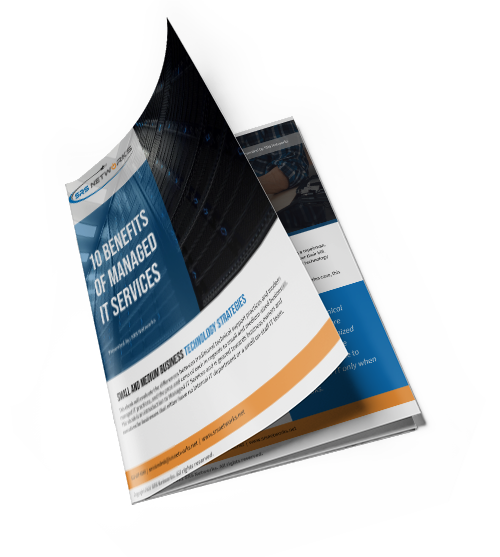
Understanding the Transition to Managed IT Services
Transitioning from traditional IT support to managed IT services can significantly enhance a business's operational efficiency. Managed IT services offer a proactive approach to technology management, ensuring that systems are monitored and maintained before issues arise, thus minimizing downtime and disruptions.
This shift allows businesses to focus on their core activities rather than IT challenges. For instance, a small business can leverage managed services to access advanced cybersecurity measures and cloud solutions that were previously only available to larger enterprises, ultimately leveling the playing field.
Cost Savings and ROI of Managed IT Services
One of the most compelling reasons businesses opt for managed IT services is the significant cost savings they provide. By outsourcing IT management, companies can reduce overhead costs associated with hiring full-time IT staff and investing in expensive infrastructure.
Moreover, managed IT services often come with predictable monthly fees, allowing businesses to budget effectively. According to industry studies, companies that adopt managed IT services can see a return on investment (ROI) of up to 300% within the first year, thanks to improved productivity and reduced downtime.
Enhancing Security with Managed IT Services
Security is a paramount concern for businesses of all sizes, and managed IT services offer robust solutions to protect sensitive data. With dedicated security protocols and continuous monitoring, managed service providers can identify and mitigate potential threats before they escalate into serious breaches.
For example, many managed IT services include regular security audits and compliance checks, ensuring that businesses adhere to industry regulations. This proactive approach not only safeguards business data but also builds trust with clients who expect their information to be handled securely.
Access to Latest Technology and Expertise
Managed IT services provide businesses with access to the latest technology and expert knowledge that may otherwise be out of reach. Service providers continually invest in the latest tools and training, ensuring that their clients benefit from cutting-edge solutions.
This access enables small and medium-sized businesses to implement advanced technologies such as artificial intelligence, data analytics, and cloud computing without the associated costs of in-house implementation. As a result, businesses can remain competitive in an ever-evolving digital landscape.